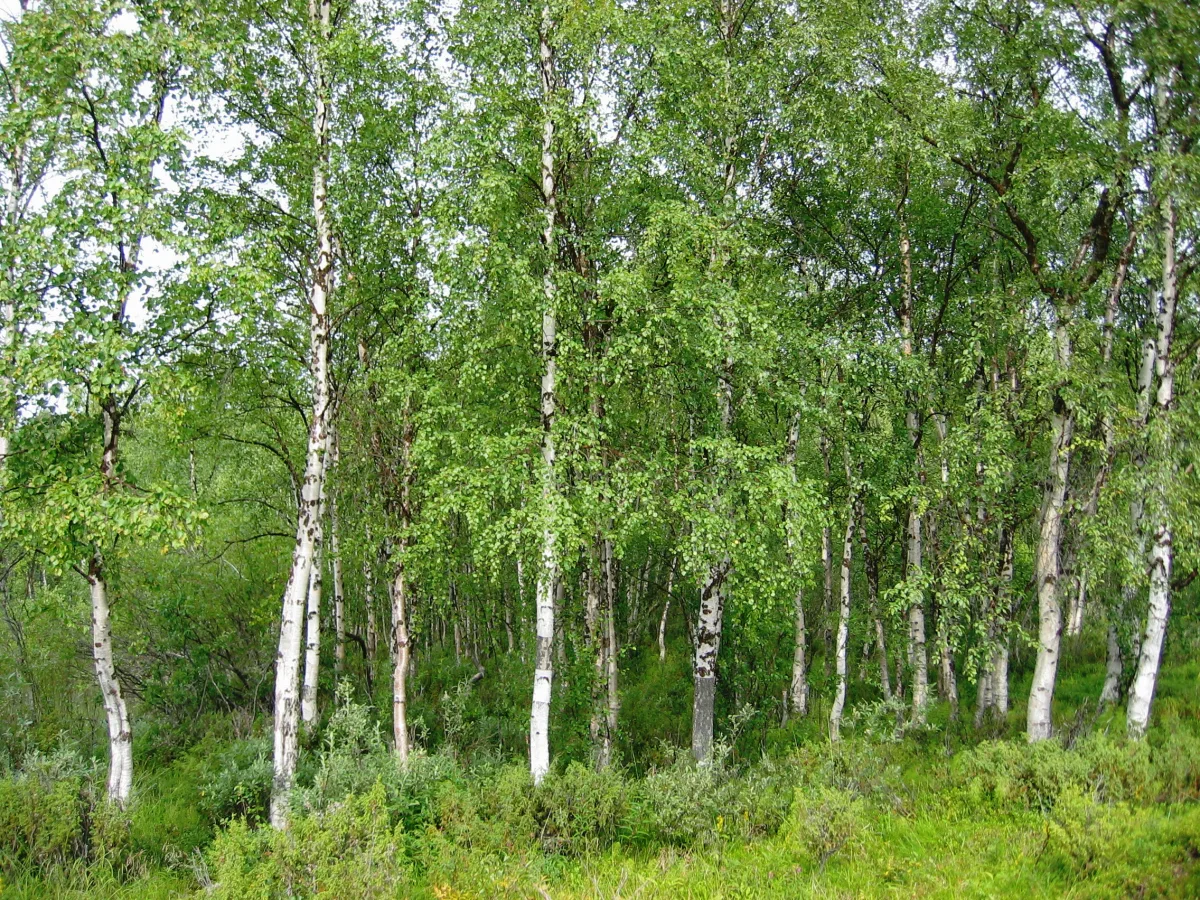
TreeBetulaceae
Silver Birch
Betula pendula
- Habitat
- Heathland, open woodland, moorland
- IUCN status
- LCLeast Concern
- Max height
- 25 m
Ecological relationships
Mycorrhizal partner of
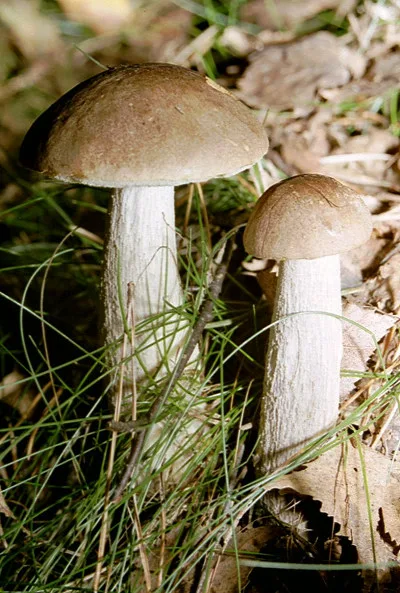 Brown Birch BoleteLeccinum scabrum
Obligate ectomycorrhizal associate of birch. Virtually never found without a Betula host nearby.
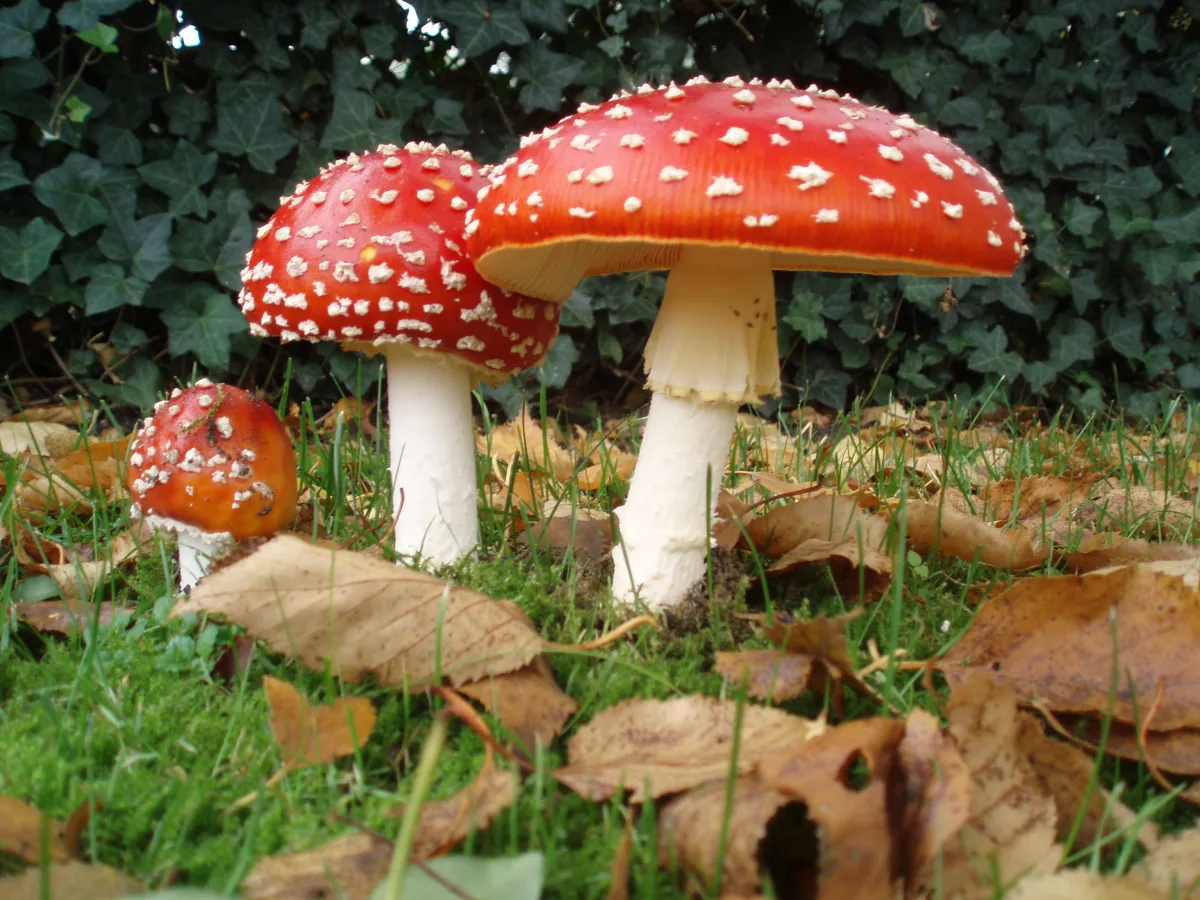 Fly AgaricAmanita muscaria
The iconic association between fly agaric and birch. Birch is its primary pioneer-woodland host alongside pine.
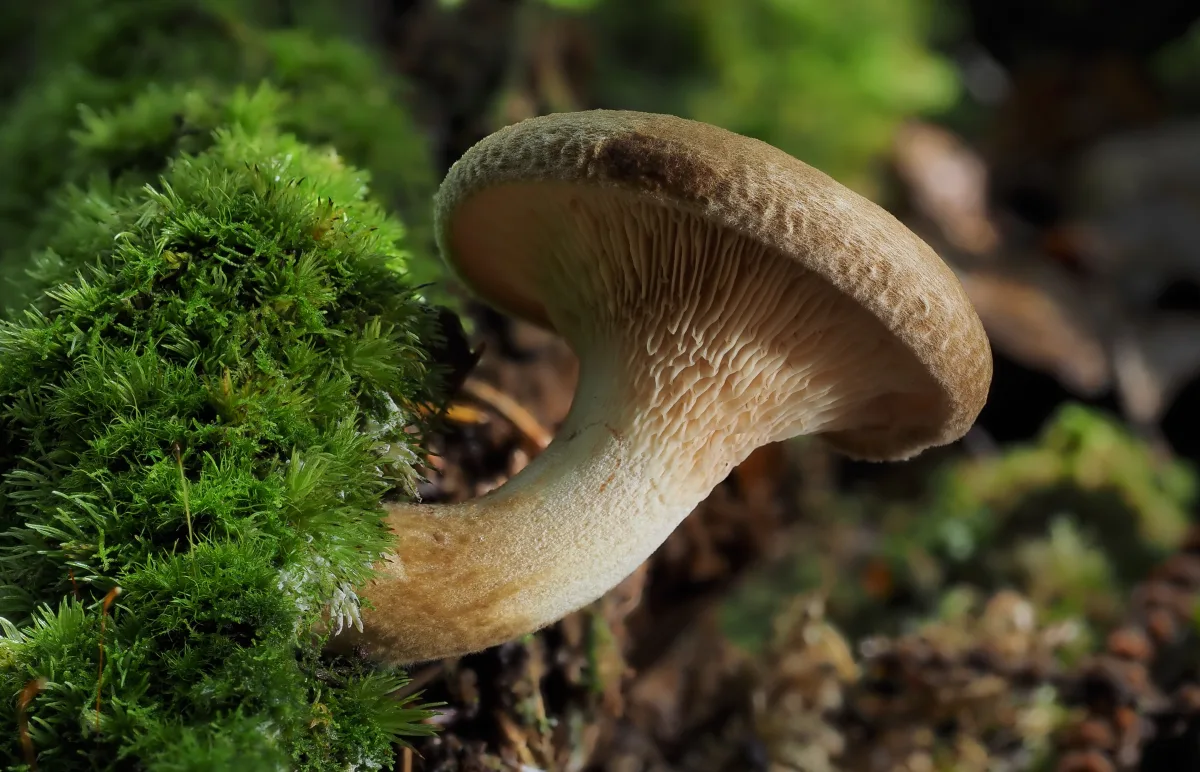 Brown RollrimPaxillus involutus
Well-documented ectomycorrhizal associate of Silver Birch. Historically eaten across Europe before its cumulative haemolytic toxicity was established, a rare case of a mycorrhizal fungus proving fatal to humans.
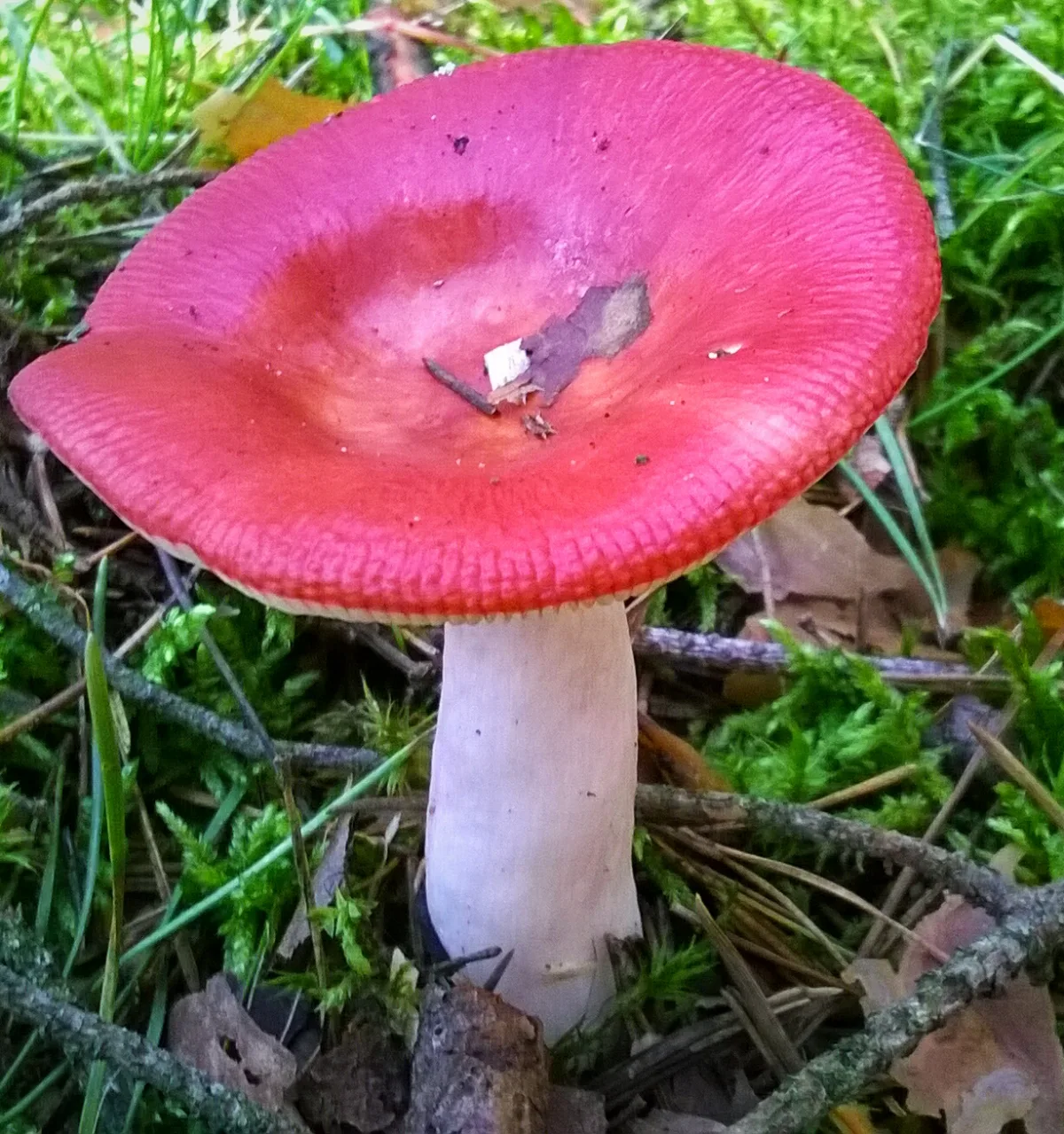 The SickenerRussula emetica
Also ectomycorrhizal with Silver Birch in mixed pine-birch heathland.
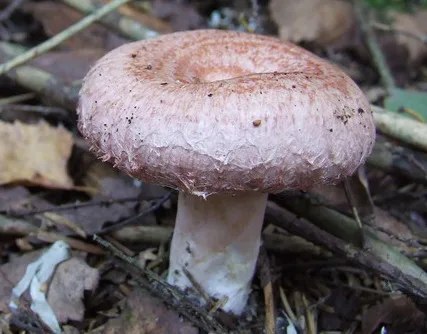 Woolly MilkcapLactarius torminosus
Obligately ectomycorrhizal with Betula; rarely or never recorded with other host genera (Nuytinck & Verbeken 2003).
Host of
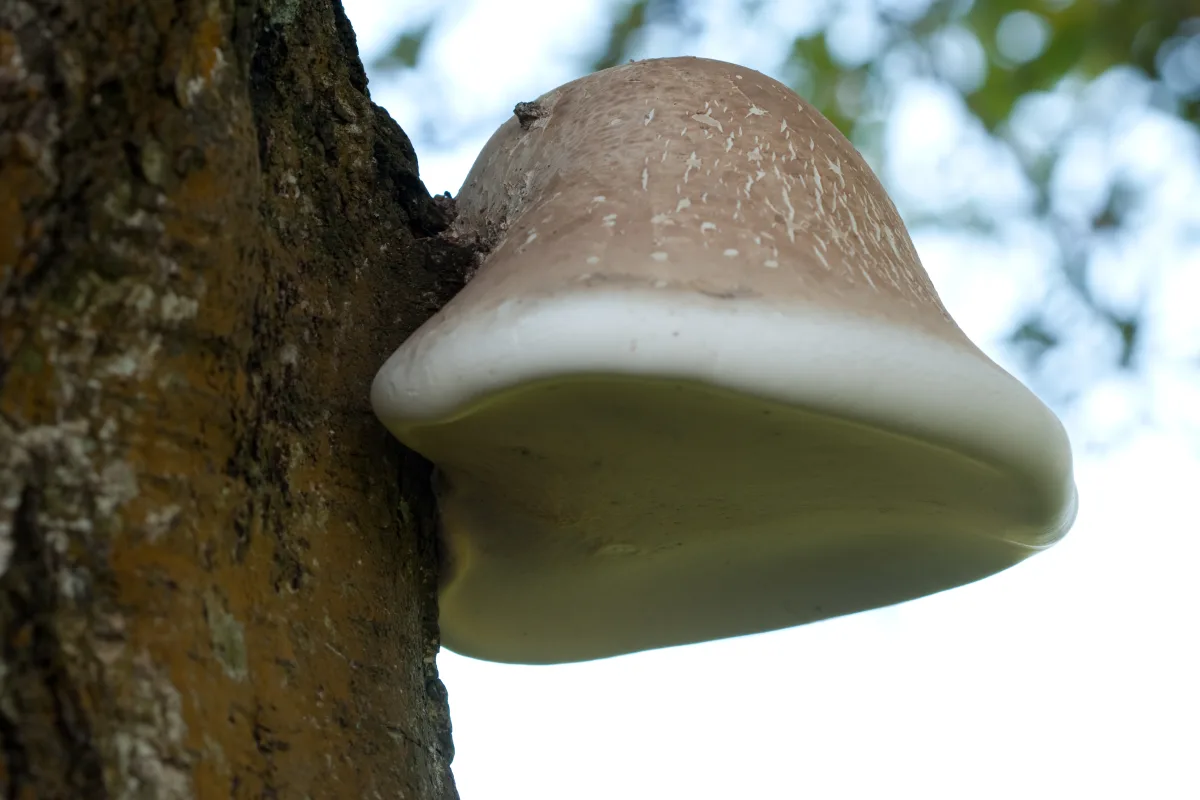 Birch PolyporeFomitopsis betulina
Obligate on Silver Birch, virtually never recorded on any other host. Causes a brown rot that softens the trunk; infected birches are preferentially selected by Great Spotted Woodpecker for nest excavation.
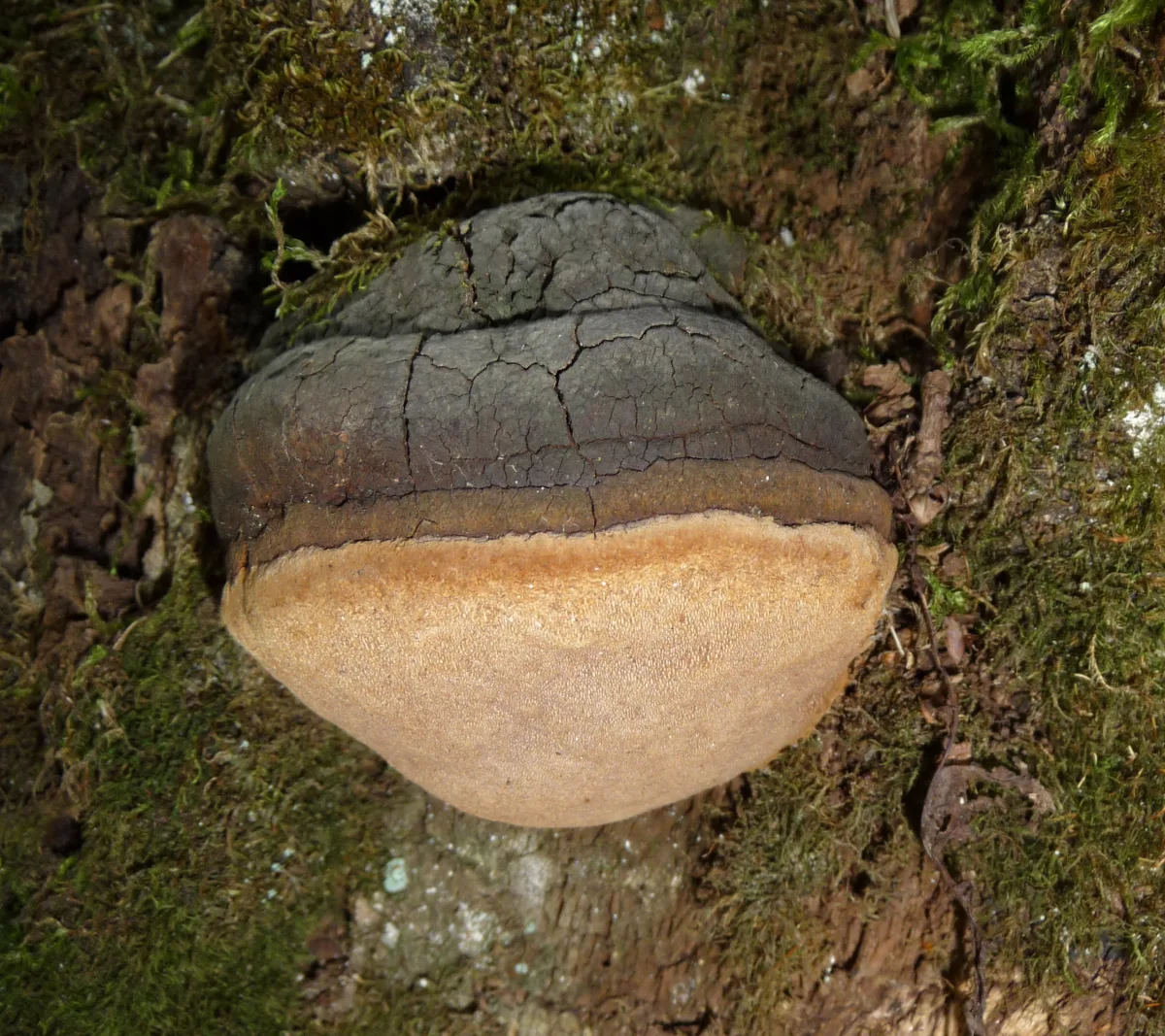 Willow BracketPhellinus igniarius
Common perennial bracket on older Birch, contributing to standing deadwood habitat on which many saproxylic species depend.
Parasitised by
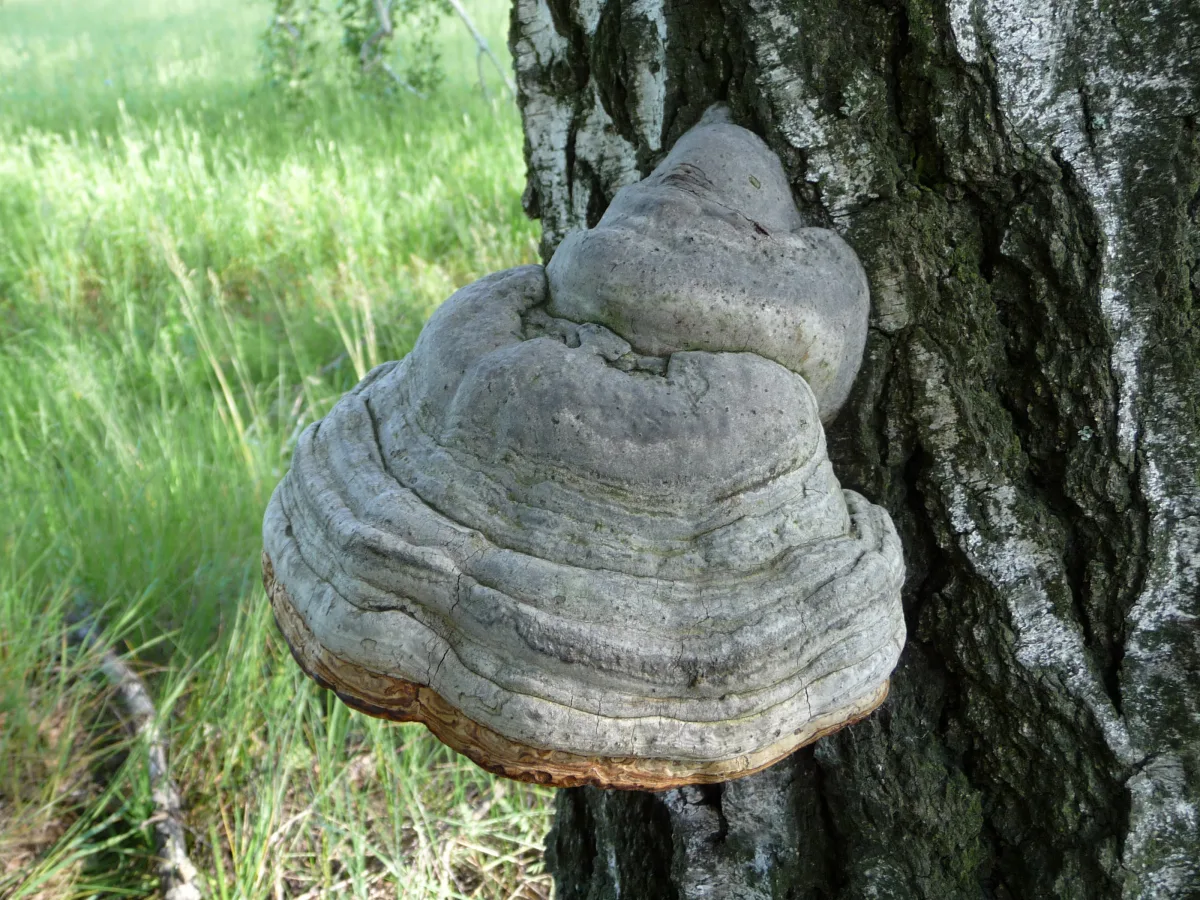 Tinder FungusFomes fomentarius
Major parasite of Silver Birch in northern European forests; often co-occurs with Birch Polypore on the same host.
Nesting site for
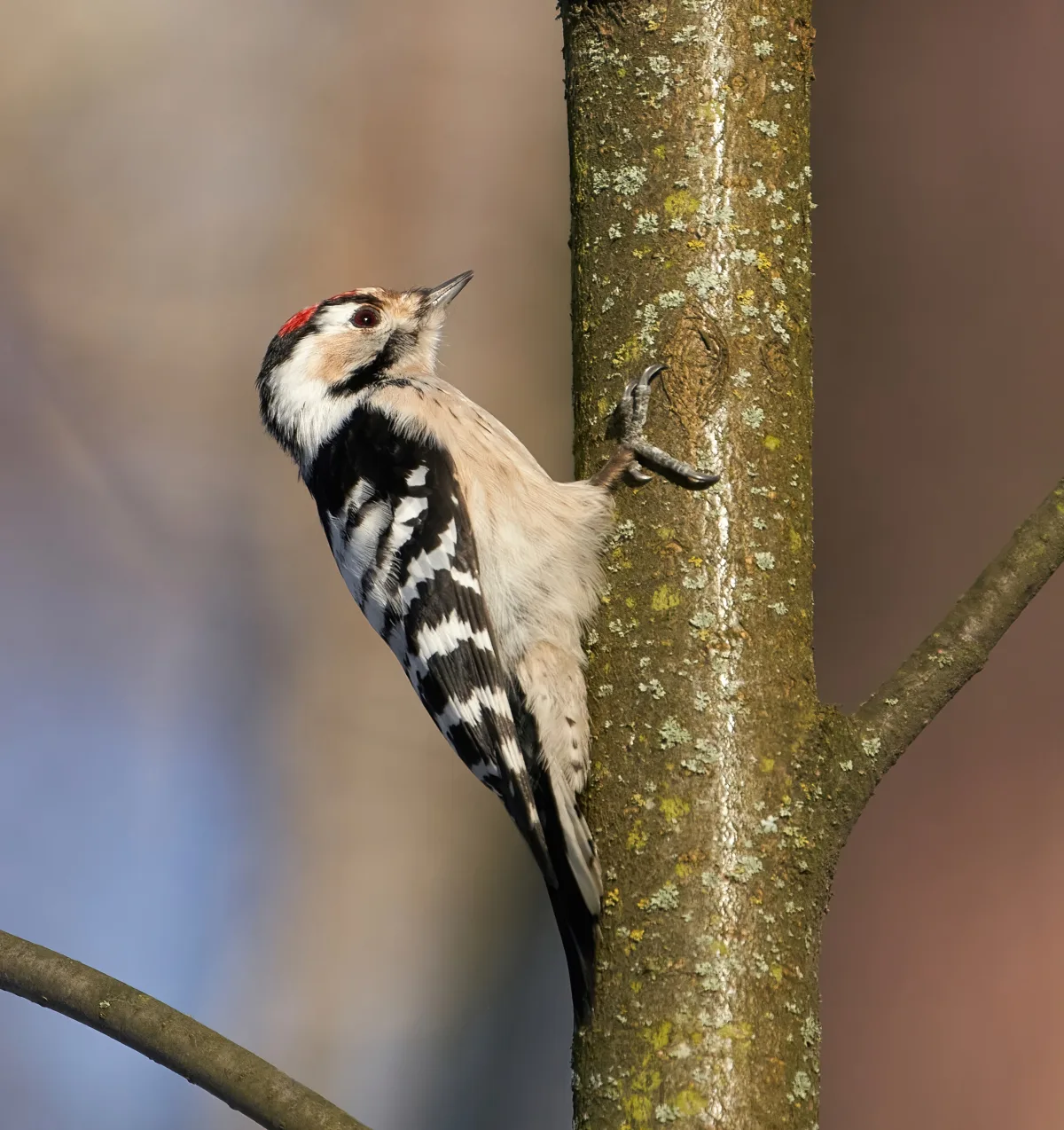 Lesser Spotted WoodpeckerDryobates minor
Excavates nest cavities in soft-rotted Silver Birch, often in trunks weakened by Birch Polypore.