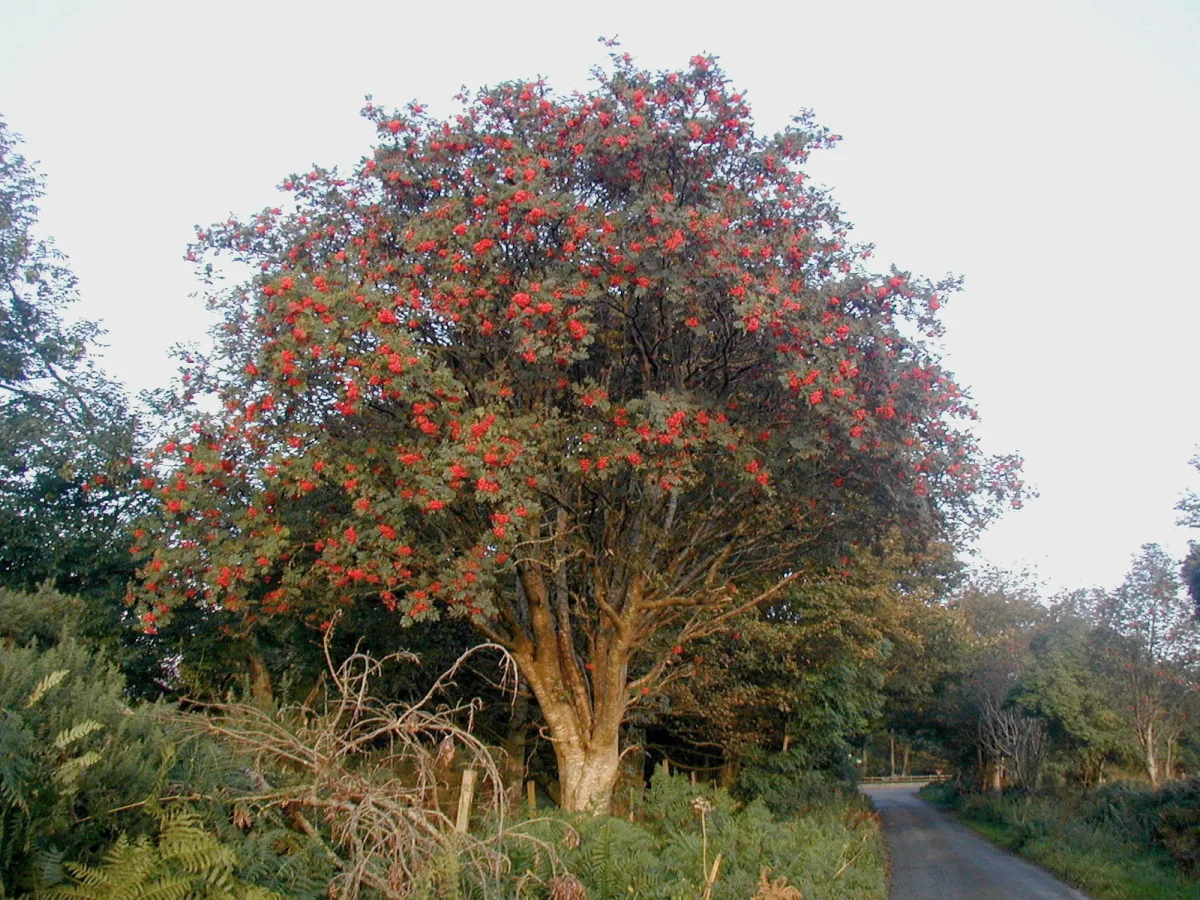
TreeRosaceae
Rowan
Sorbus aucuparia
- Habitat
- Upland woodland, moorland, mountain slopes. Highly tolerant of poor soils
- IUCN status
- LCLeast Concern
- Max height
- 15 m
Ecological relationships
Eaten by
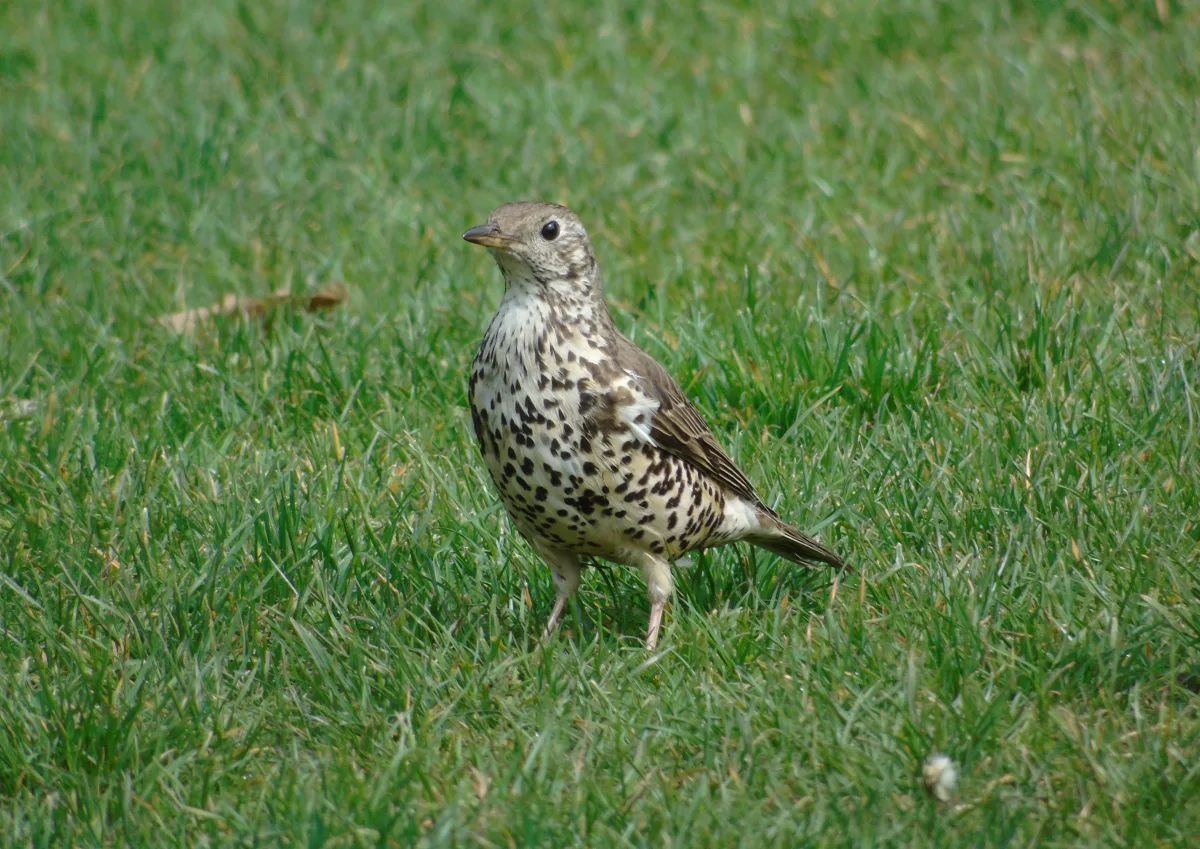 Mistle ThrushTurdus viscivorus
Also defends Rowan berry crops in upland areas using the same resource-defense strategy; a key disperser of Rowan seeds into open habitats above the treeline.
Seeds dispersed by
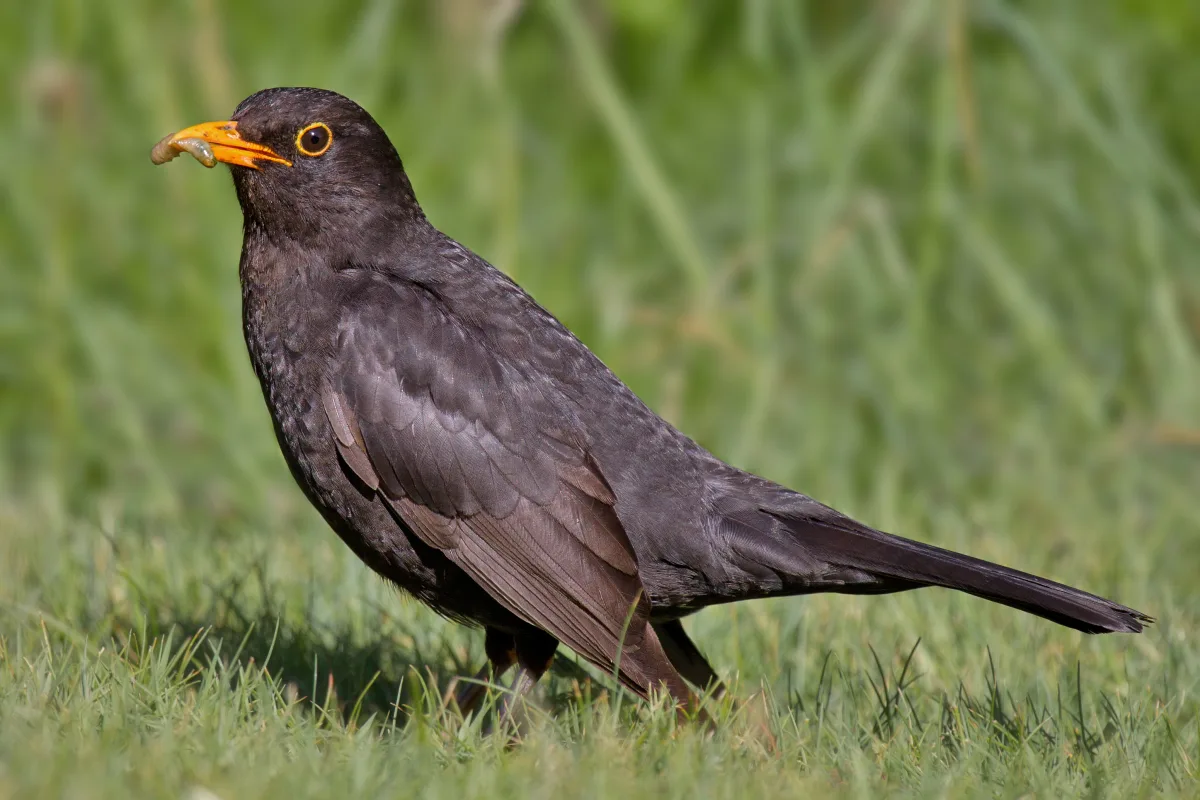 Common BlackbirdTurdus merula
One of the most important Rowan dispersers in lowland Britain; strips berries quickly in autumn and deposits seeds across a wide radius.
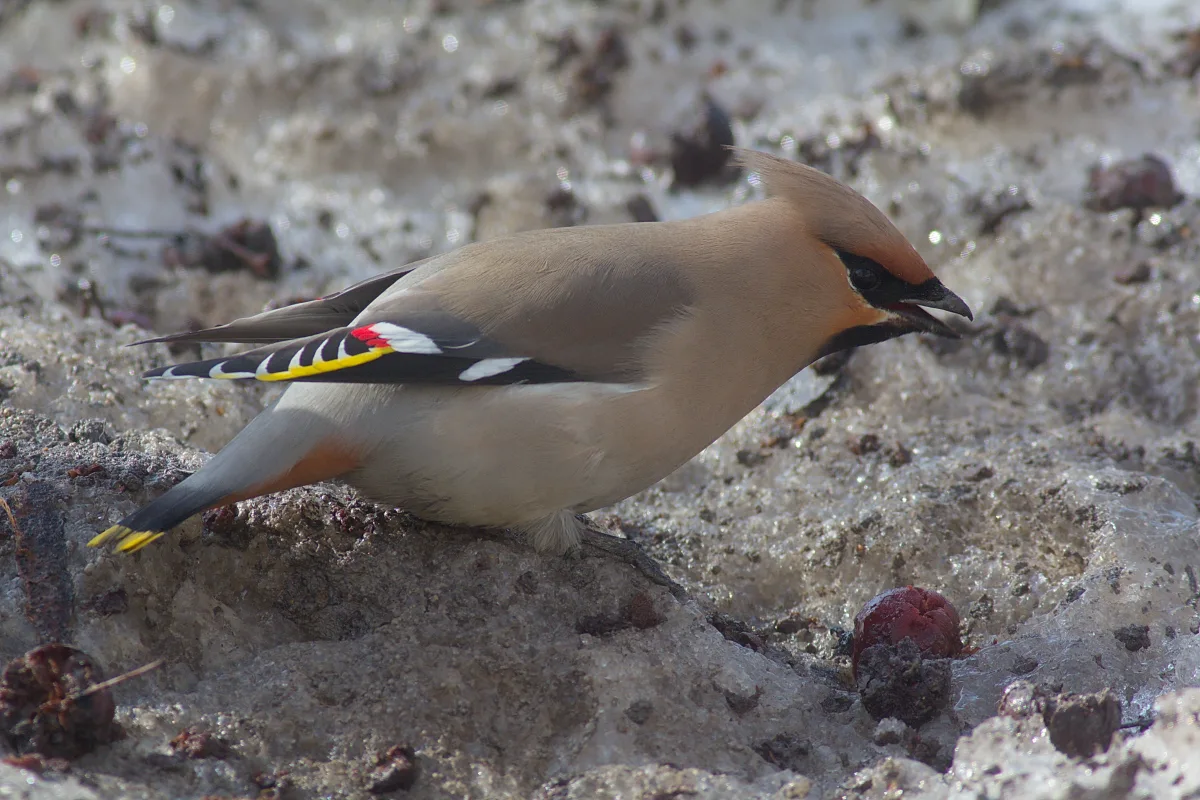 Bohemian WaxwingBombycilla garrulus
Specialist frugivore whose irruptive winter movements into temperate Europe are driven by Rowan mast crop failures in Fennoscandia. Seeds swallowed whole and passed intact (Svensson 1975).
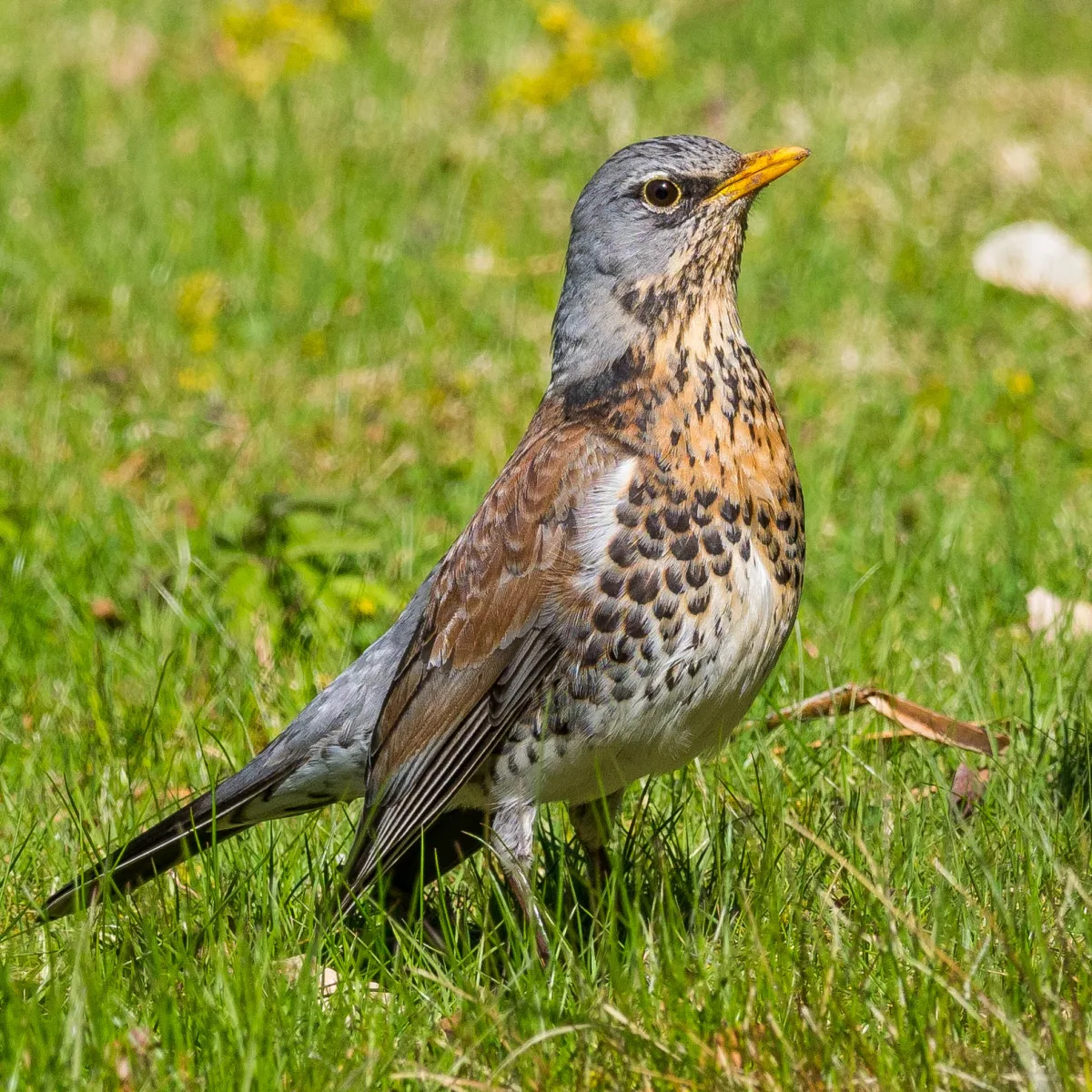 FieldfareTurdus pilaris
Major winter frugivore on Rowan berries; irruptive flocks strip trees and disperse seeds over long distances.
Host of
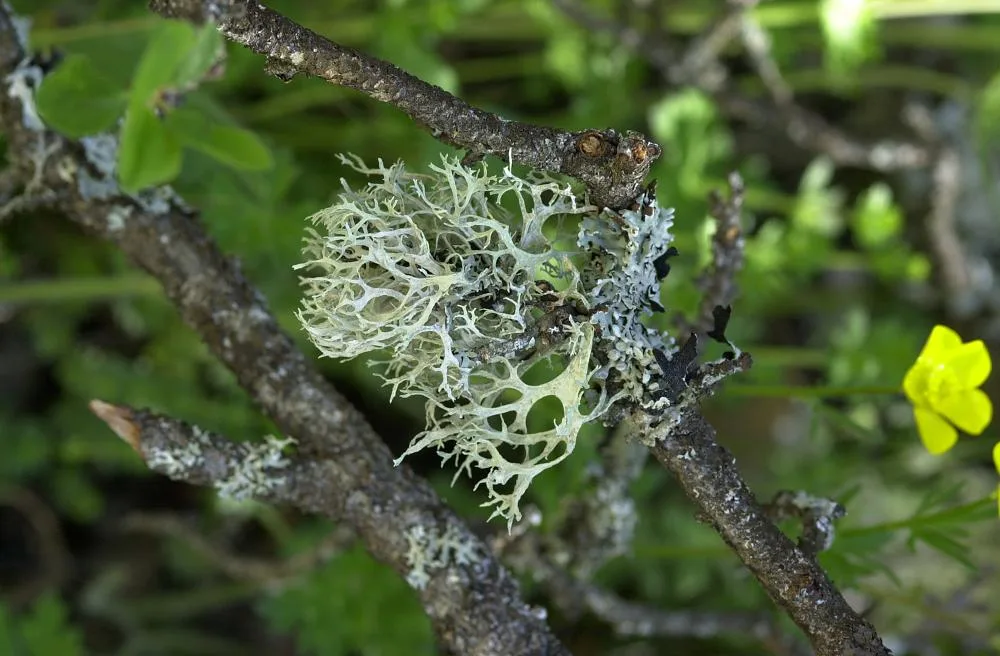 Oakmoss LichenEvernia prunastri
Commonly colonises rowan bark in upland and montane woodland.
Mycorrhizal partner of
- Rowan BoleteLeccinum roseofractum
Obligate ectomycorrhizal partner of Rowan; found under Rowan in upland birch-rowan woodland.