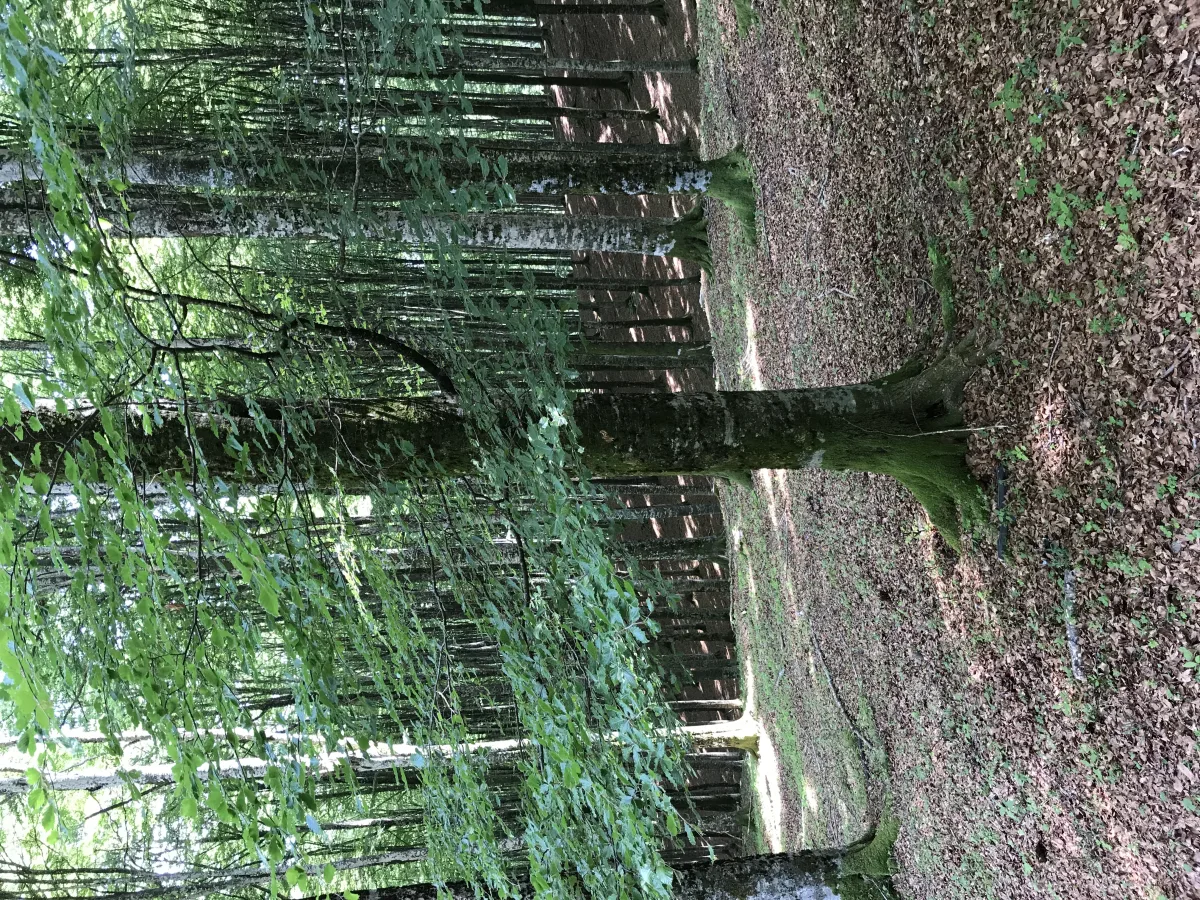
TreeFagaceae
European Beech
Fagus sylvatica
- Habitat
- Temperate deciduous forest on well-drained soils
- IUCN status
- LCLeast Concern
- Max height
- 45 m
Ecological relationships
Mycorrhizal partner of
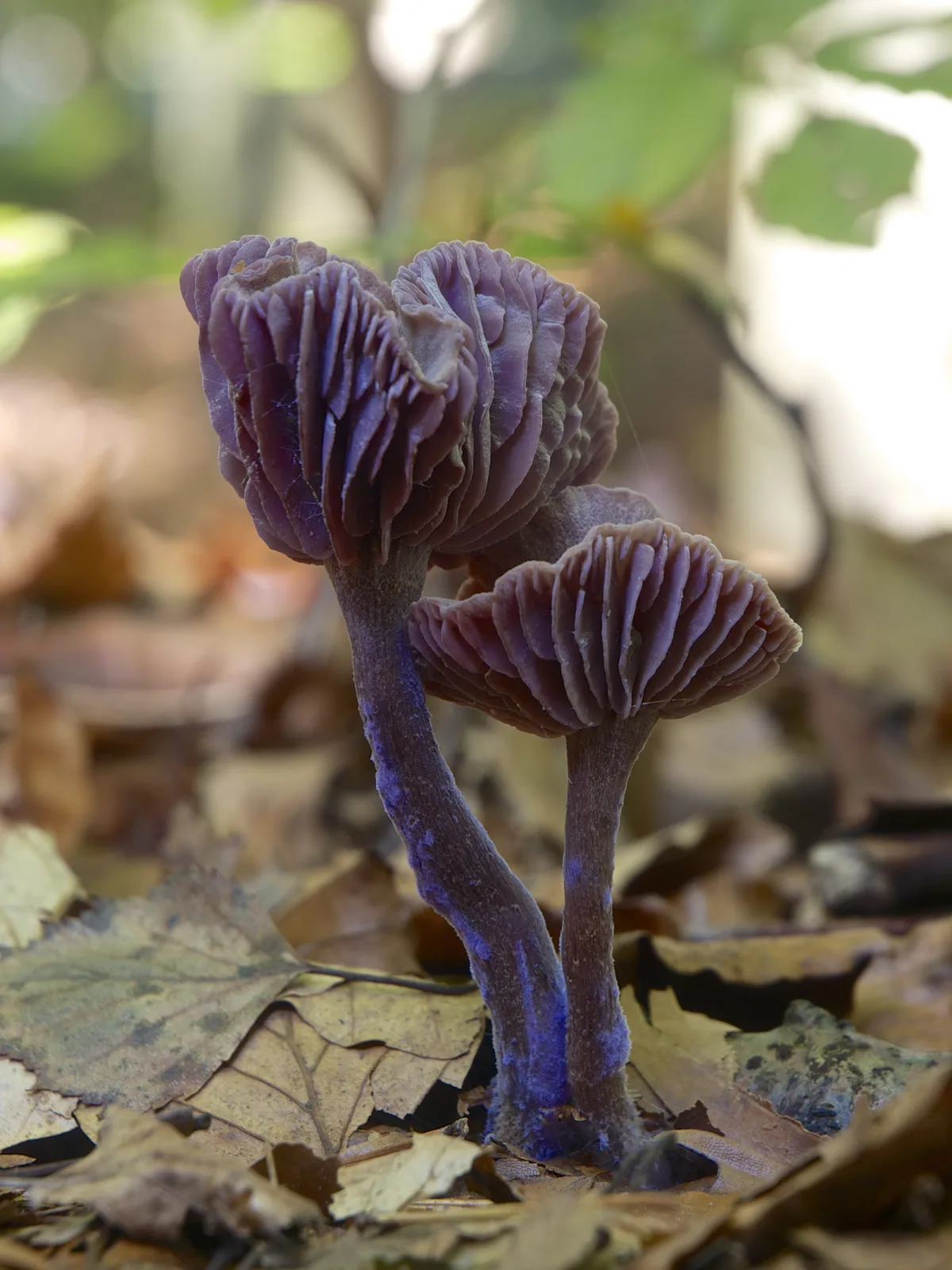 Amethyst DeceiverLaccaria amethystina
Characteristic ectomycorrhizal fungus of beech woodland floors. Its violet colour makes it unmistakable in autumn litter.
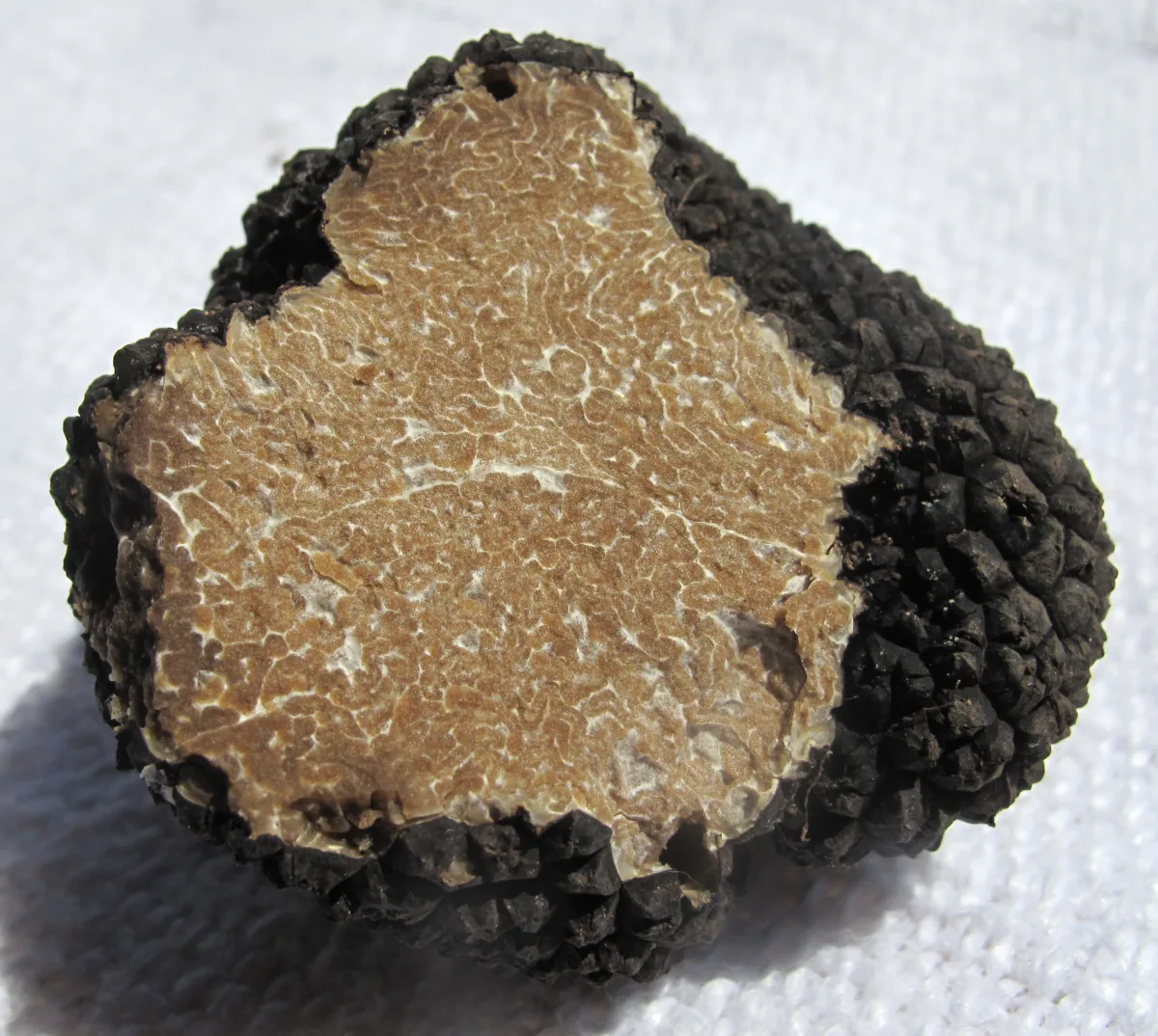 Summer TruffleTuber aestivum
Classic ectomycorrhizal association on well-drained calcareous soils under European Beech.
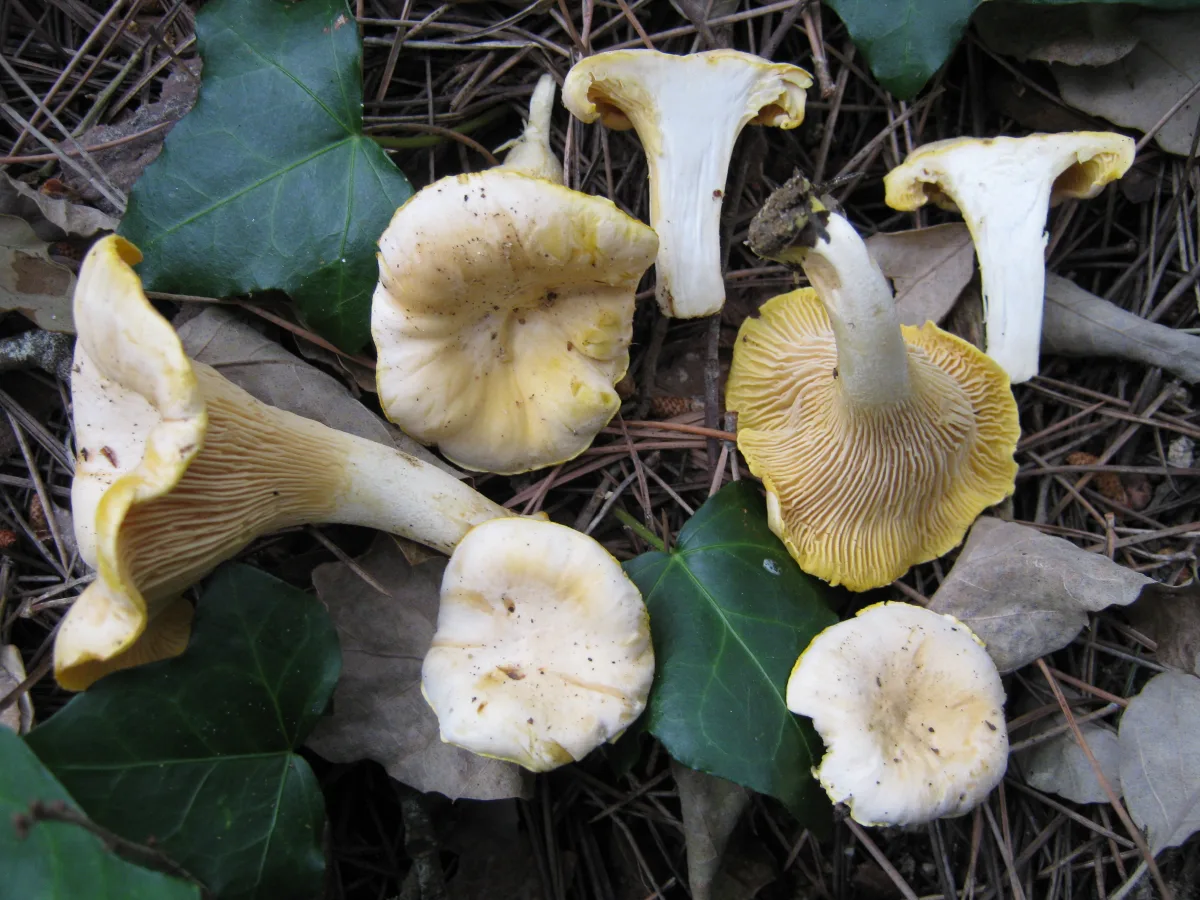 Pale ChanterelleCantharellus pallens
Ectomycorrhizal; found characteristically in beech litter on calcareous soils; extends the Cantharellaceae to a second tree host.
Nesting site for
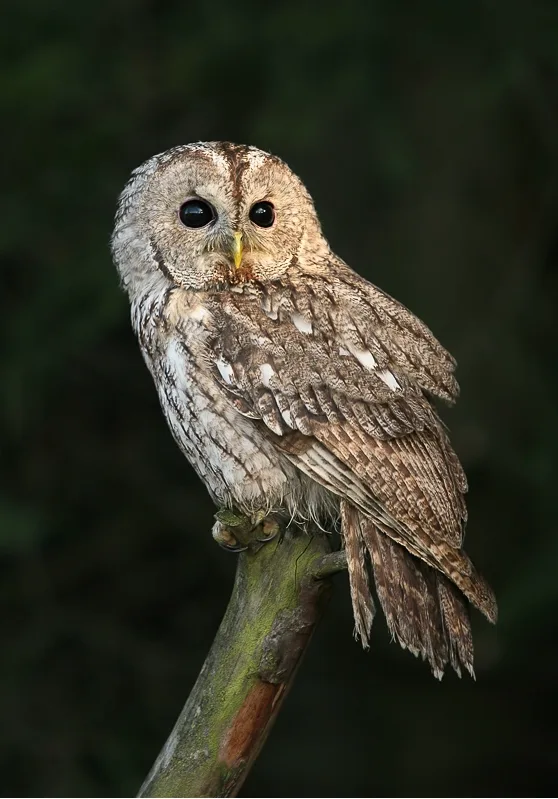 Tawny OwlStrix aluco
Also uses cavities in mature Beech, particularly in continental Europe where Beech replaces Oak as the dominant veteran tree.
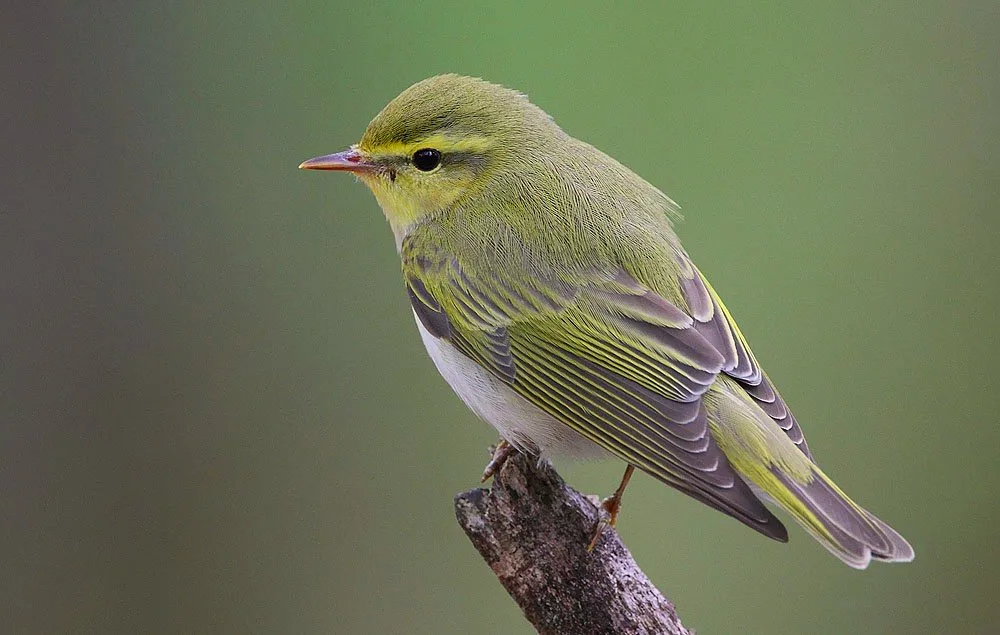 Wood WarblerPhylloscopus sibilatrix
Breeds almost exclusively in mature Beech woodland with a closed canopy and bare, leaf-litter floor - one of the tightest habitat associations of any European warbler. UK populations have declined sharply as Beech woodland structure has changed.
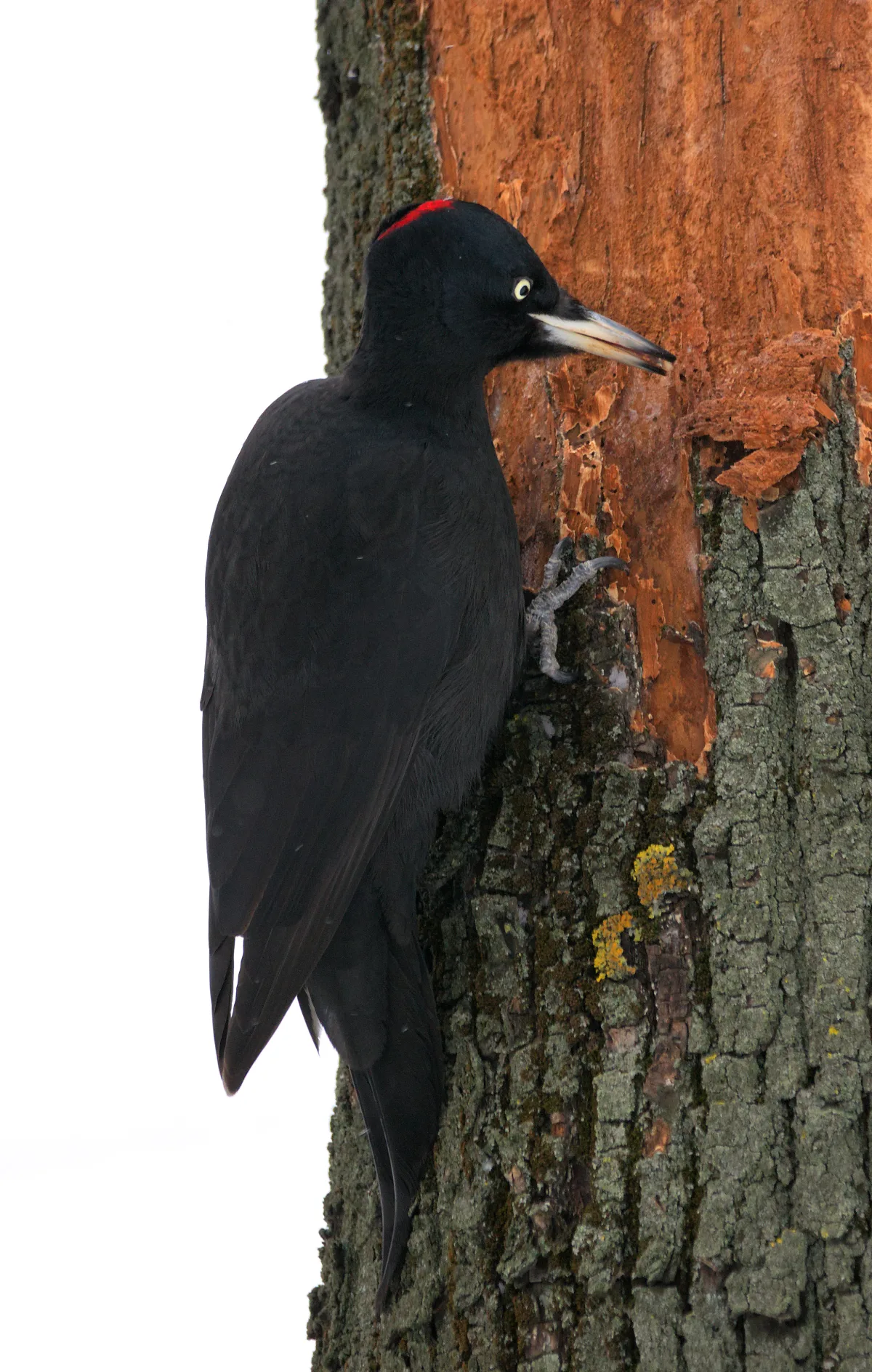 Black WoodpeckerDryocopus martius
Primary nest tree in Central and Western European beech forests; preferentially selects trunks with heartrot from Fomes fomentarius.
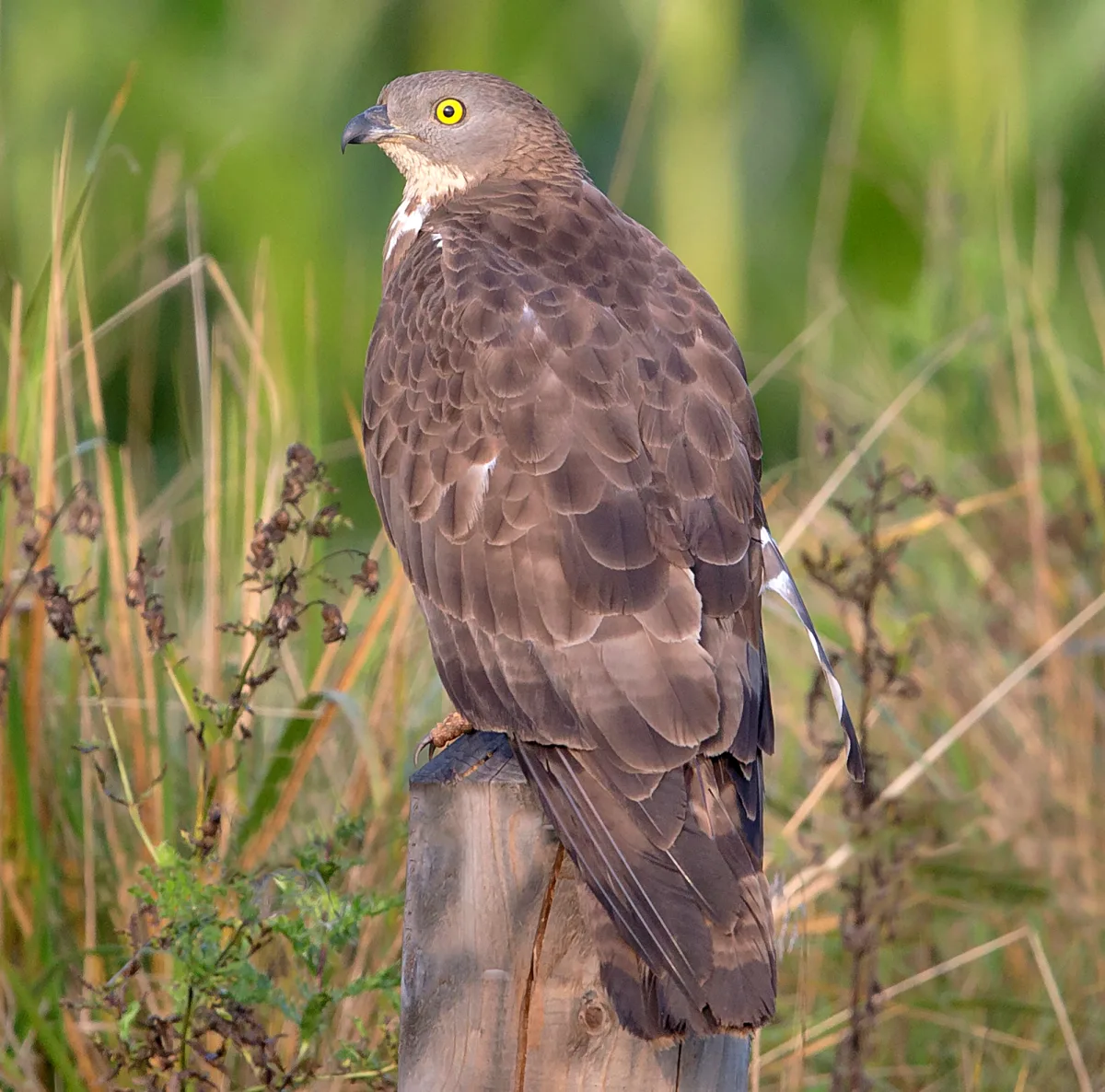 Honey BuzzardPernis apivorus
Preferentially nests in canopy of mature beech woodland, often re-using large stick nests.
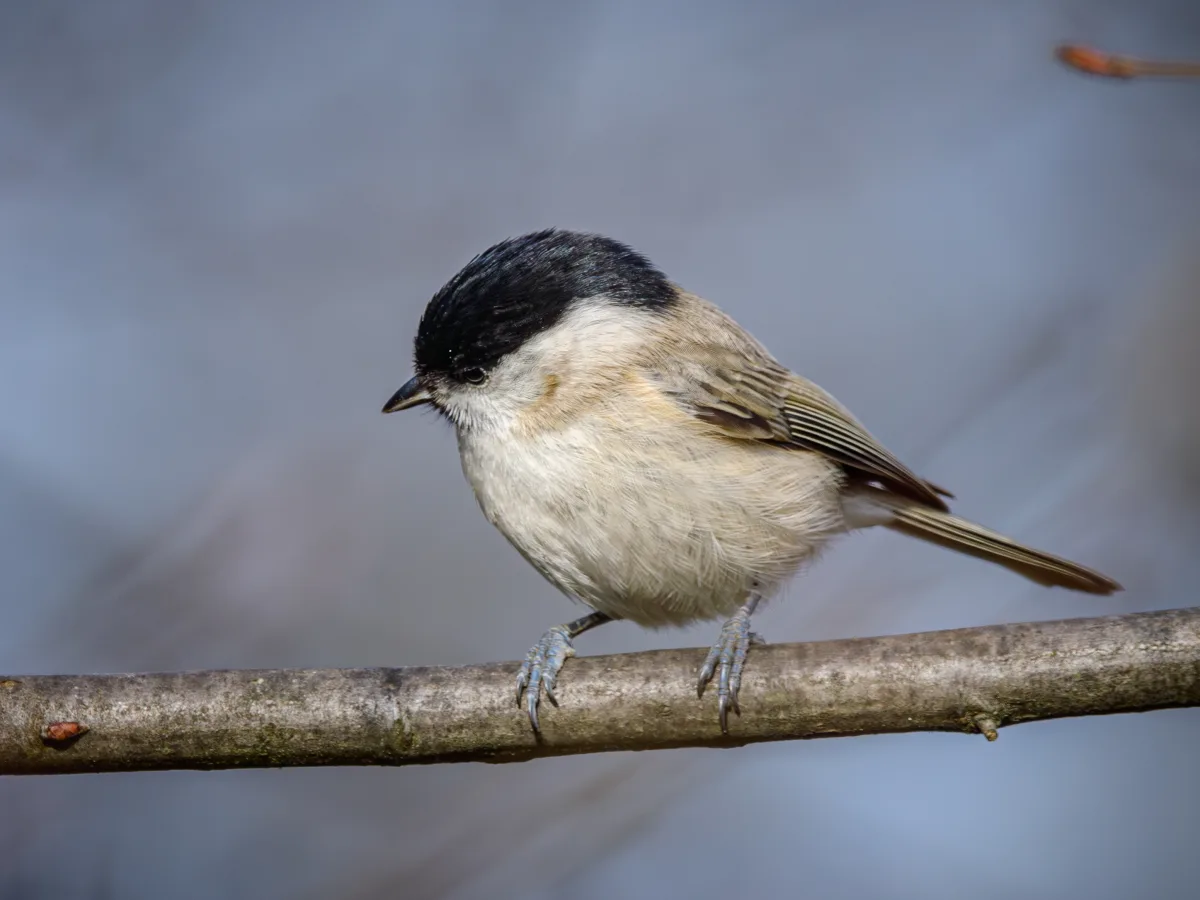 Marsh TitPoecile palustris
Nests in soft-rotted cavities in beech, often enlarging existing holes in stumps weakened by bracket fungi.
Eaten by
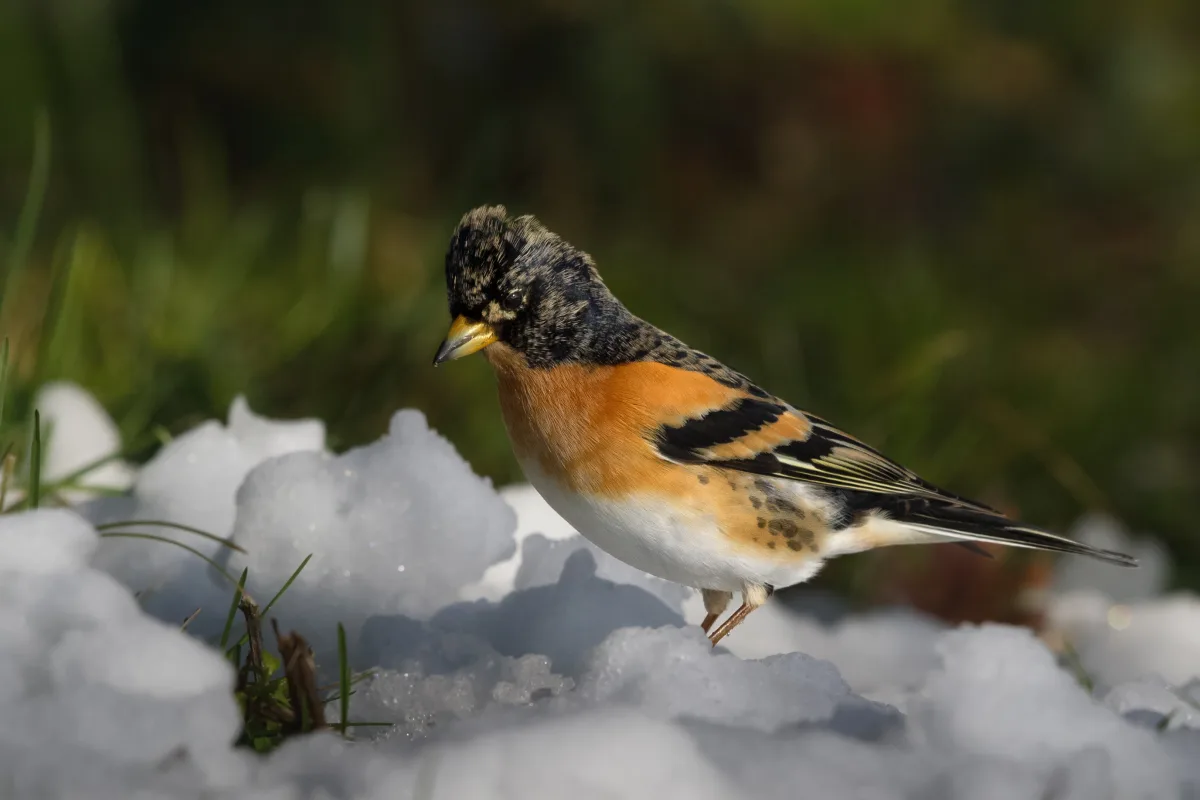 BramblingFringilla montifringilla
Brambling flocks irrupt in millions across central Europe in Beech mast years, then largely absent in poor mast years. One of the most dramatic examples of nomadic irruption tied to a single food source in the Western Palearctic (Jenni 1987).
- Marsh TitPoecile palustris
Caches and feeds on beech mast; scatter-hoarding aids short-distance seed dispersal (Cowie et al. 1981).
Host of
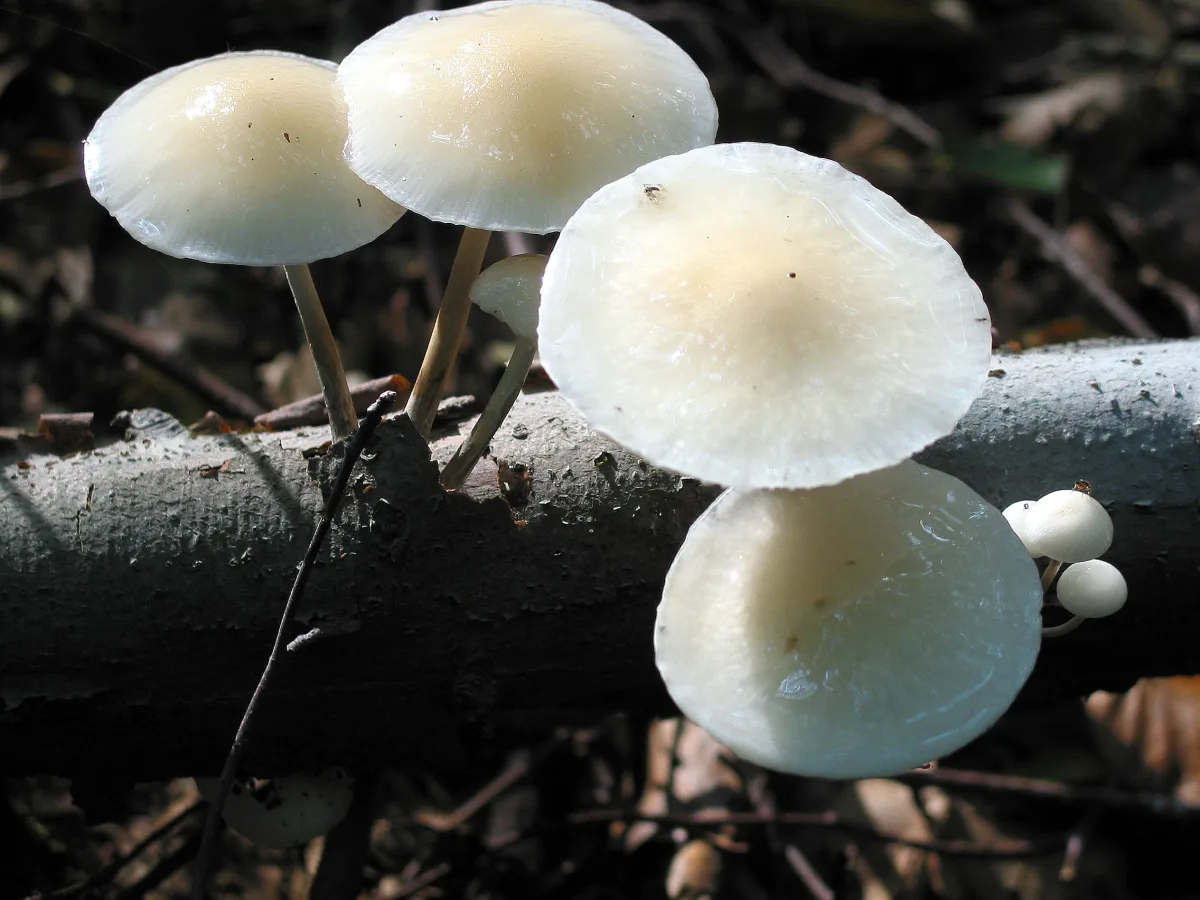 Porcelain FungusOudemansiella mucida
Grows almost exclusively on dead and dying Beech wood. So diagnostic that it is a reliable indicator of Beech presence. The translucent, mucus-coated caps earn it the alternative name "beech ghost".
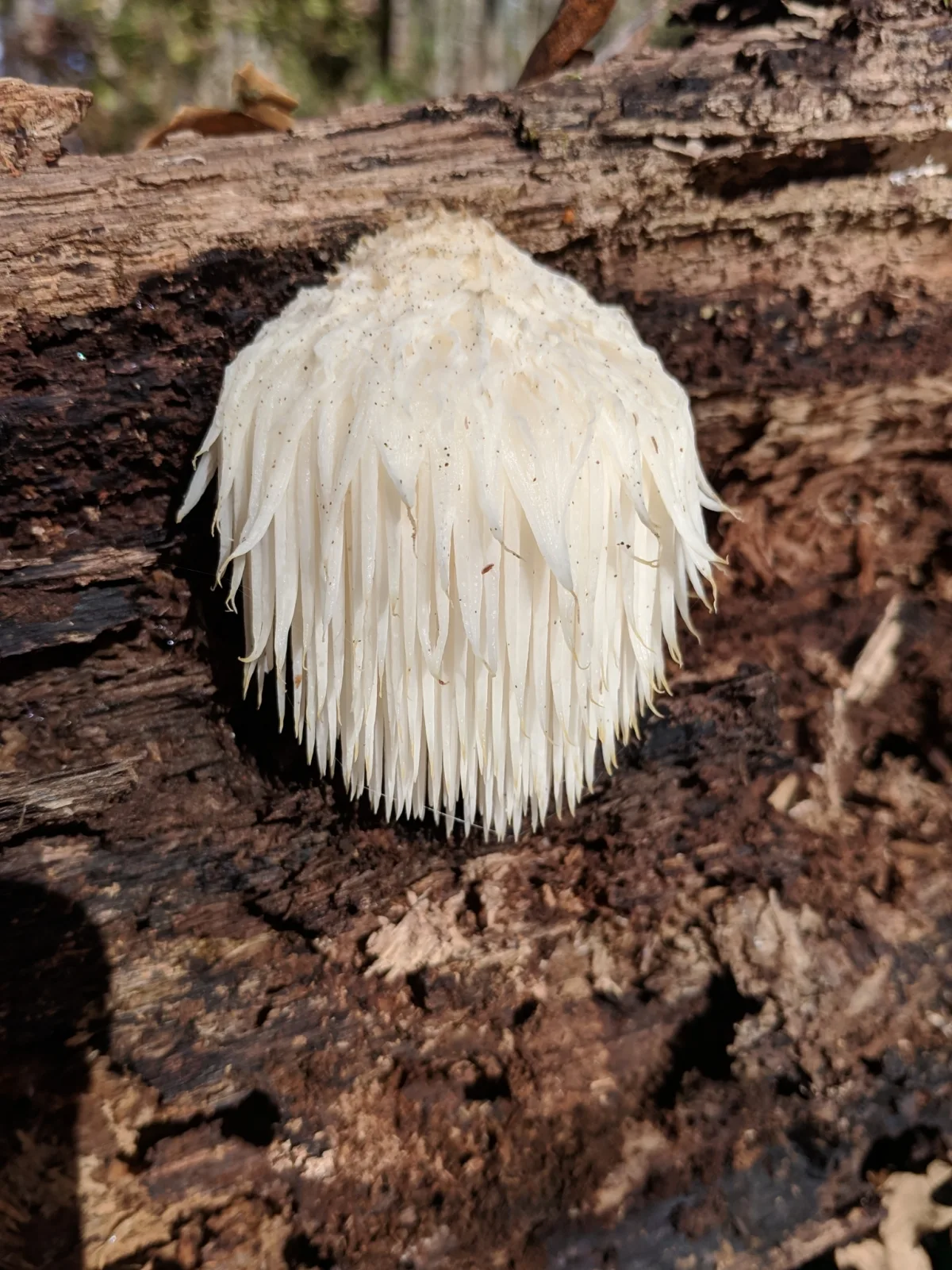 Lion's ManeHericium erinaceus
In Europe, found almost exclusively on veteran Beech heartwood; used as an indicator species for ancient Beech woodland continuity. Listed as a UK Priority Species and BAP species, its presence signals a woodland of exceptional ecological age.
Parasitised by
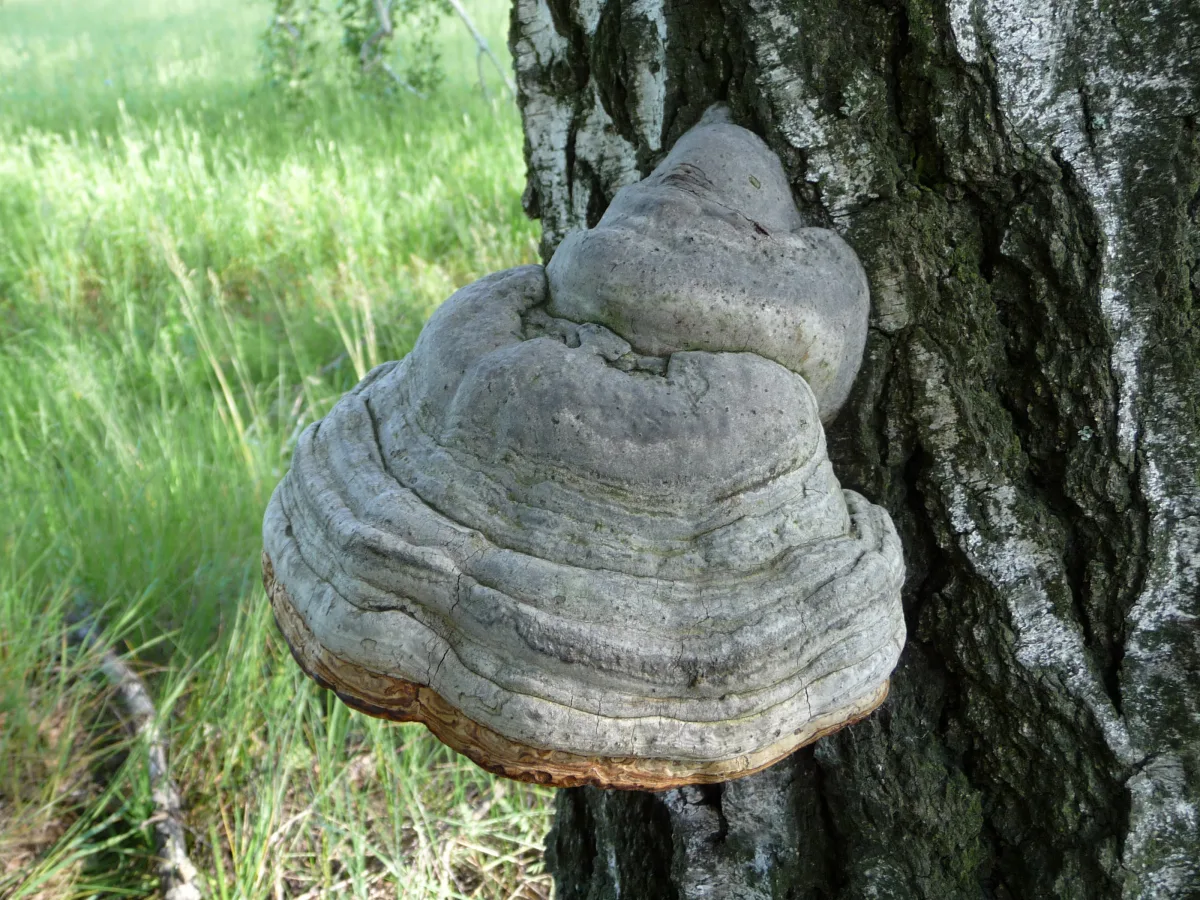 Tinder FungusFomes fomentarius
Primary white-rot parasite of living Beech; causes extensive heartwood decay that creates the cavities essential for hole-nesting birds.