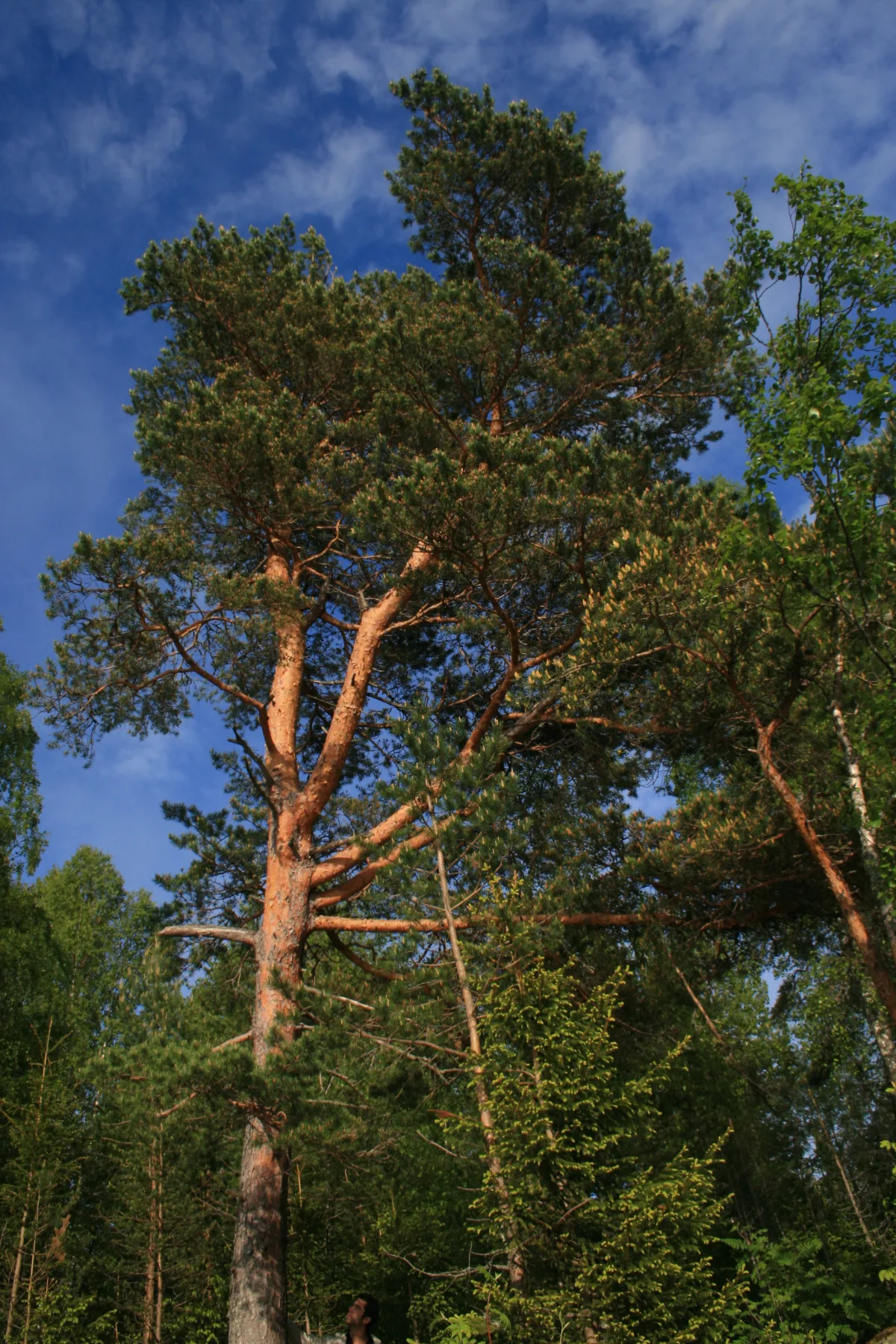
TreePinaceae
Scots Pine
Pinus sylvestris
- Habitat
- Boreal and montane coniferous forest
- IUCN status
- LCLeast Concern
- Max height
- 35 m
Ecological relationships
Eaten by
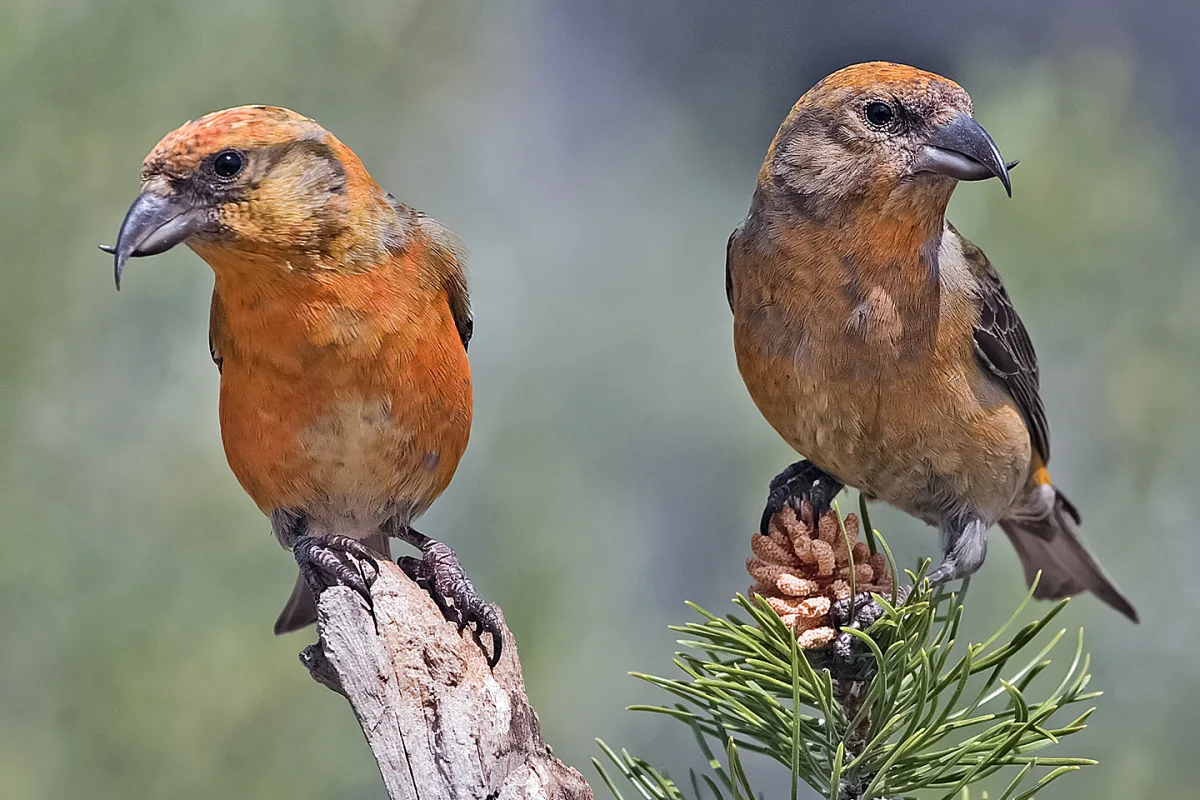 Red CrossbillLoxia curvirostra
Beak evolved specifically to extract seeds from closed pine cones. Nearly obligate on conifers.
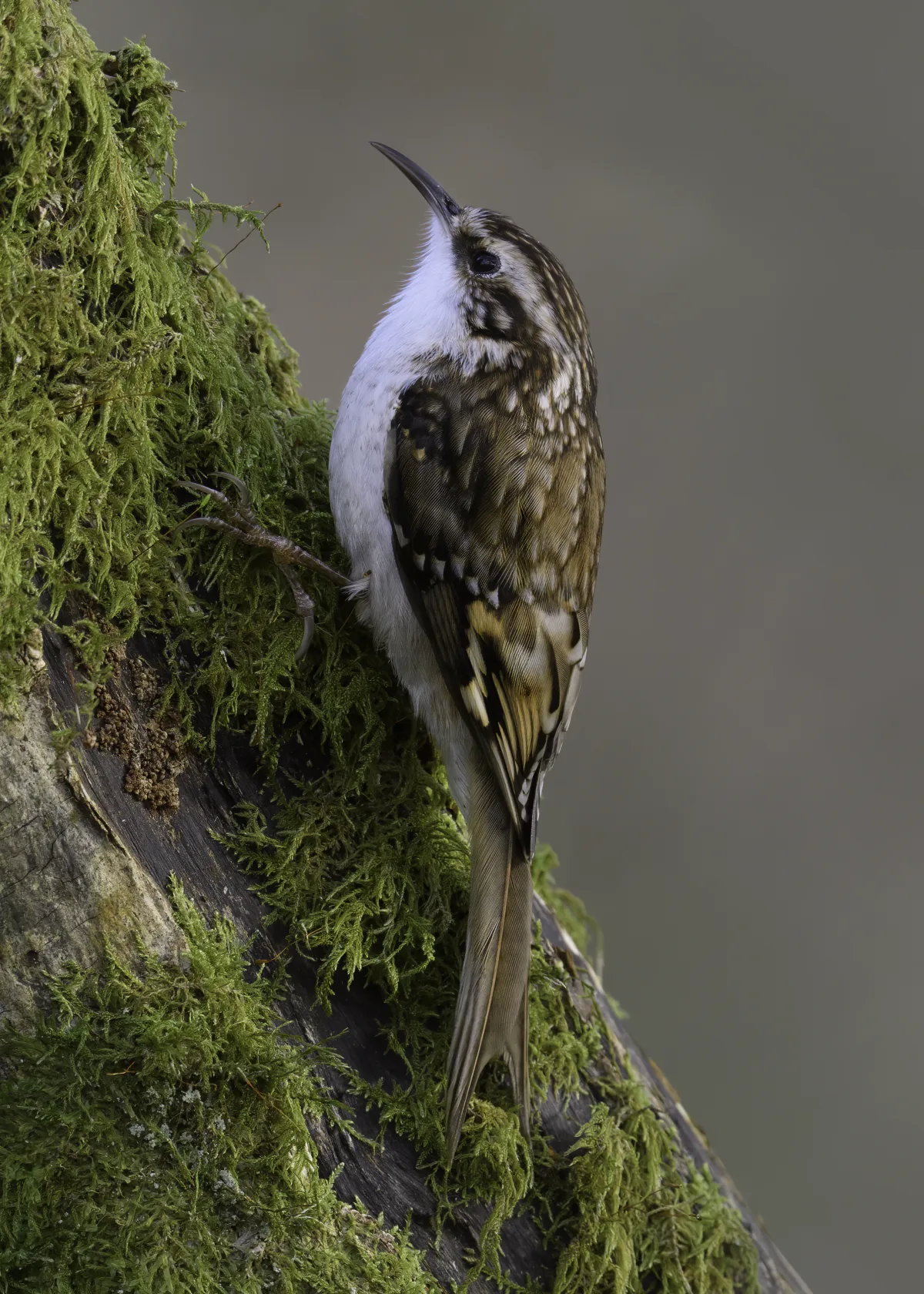 Eurasian TreecreeperCerthia familiaris
Forages under the rough scales of Scots Pine bark for spiders and insects; also nests behind loose bark slabs, a nesting habit unique to this family. The association with pine is particularly strong in Scottish Highland populations.
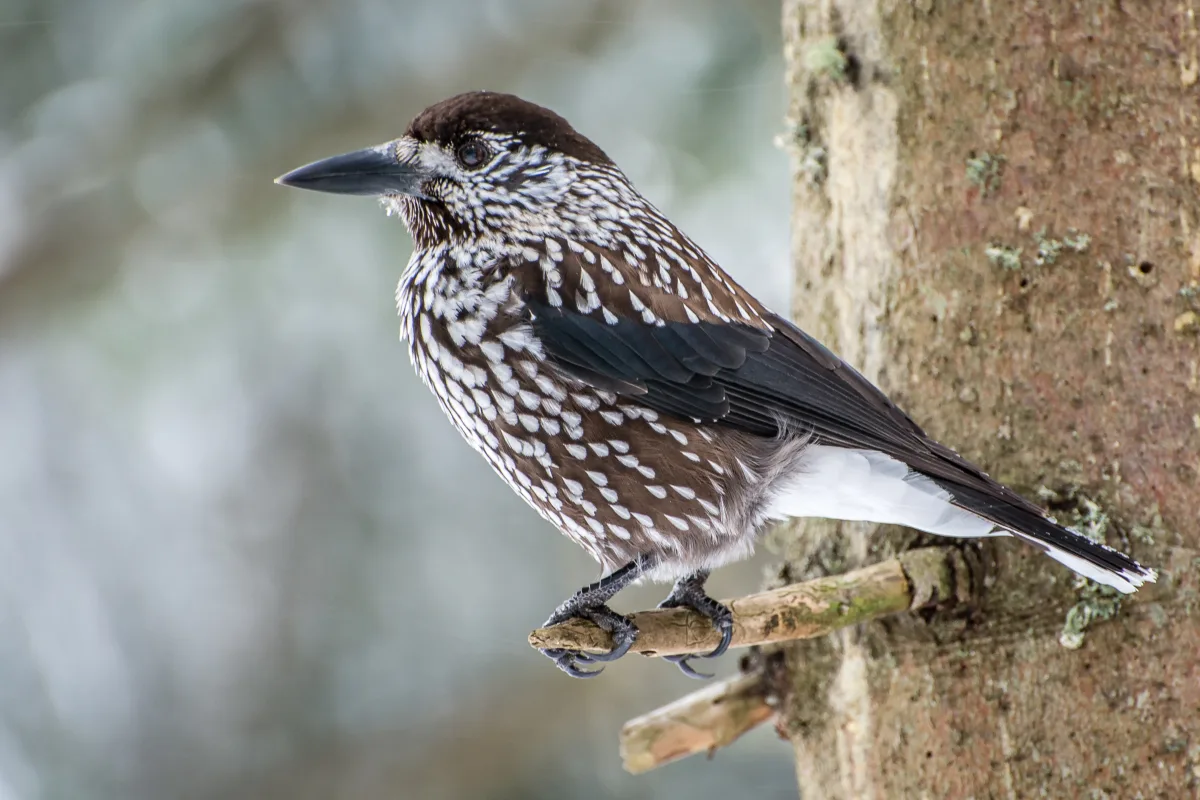 Spotted NutcrackerNucifraga caryocatactes
Also extracts and caches Scots Pine seeds as supplementary food source.
Nesting site for
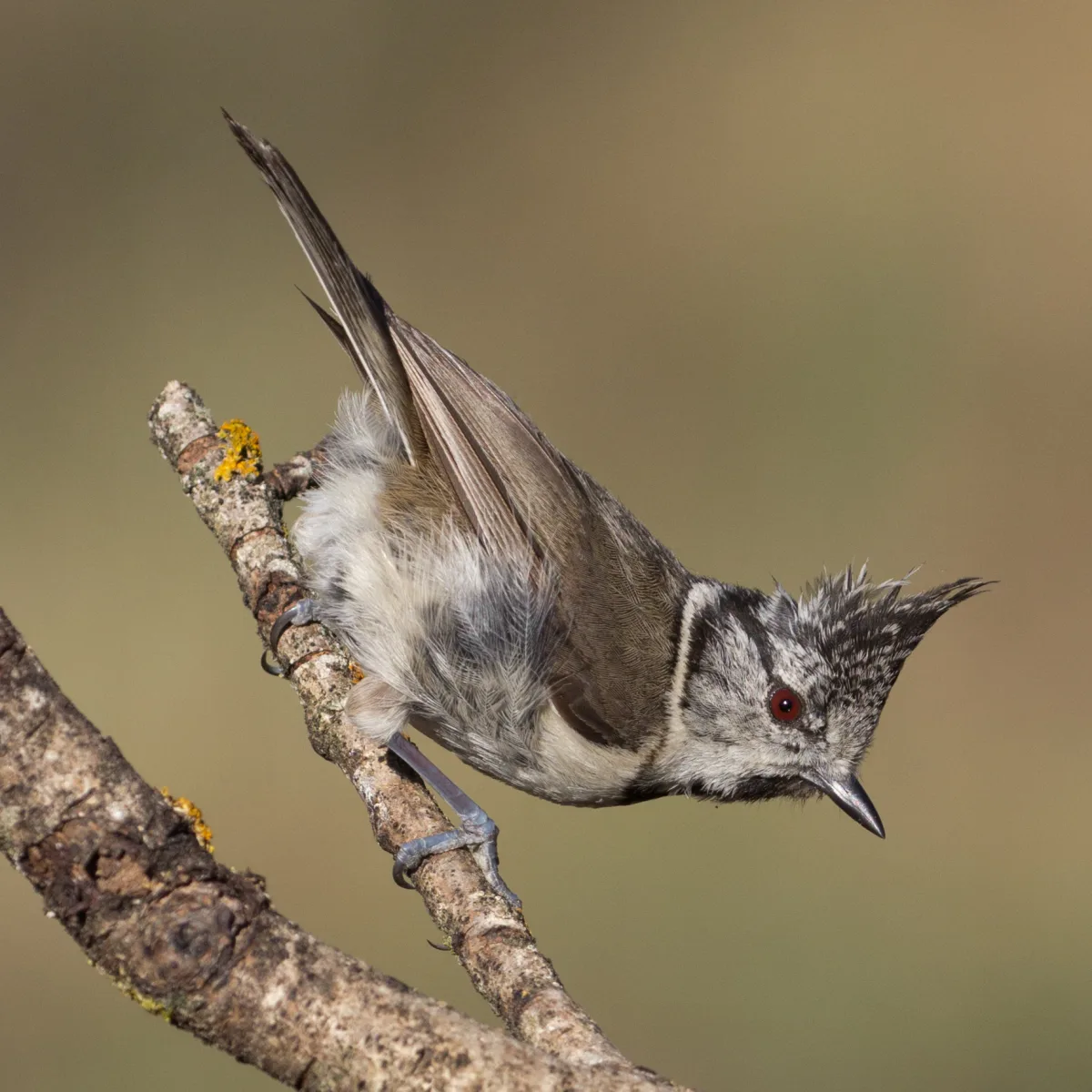 Crested TitLophophanes cristatus
Nests almost exclusively in dead Scots Pine wood. Rare outside conifer stands.
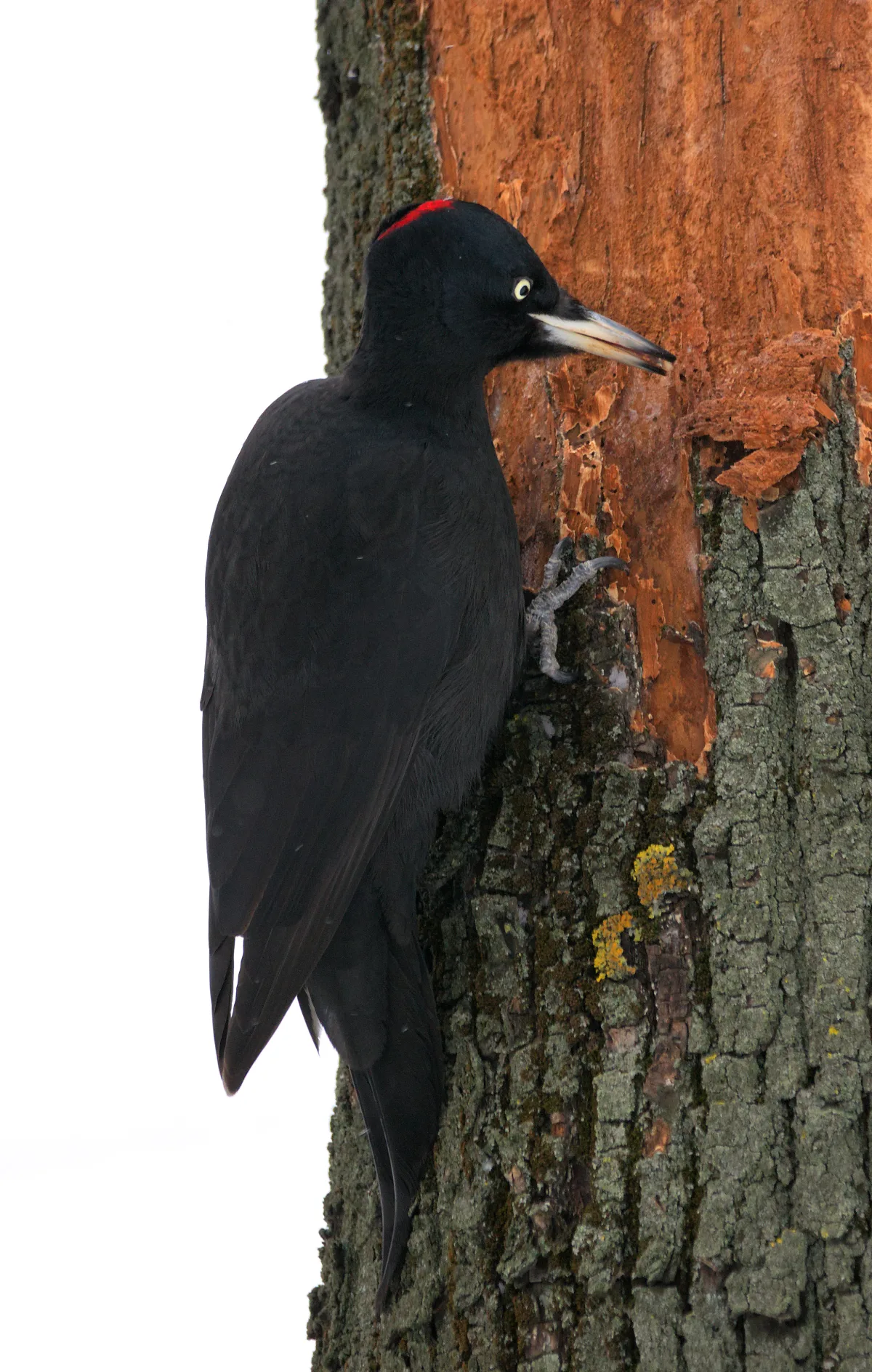 Black WoodpeckerDryocopus martius
Primary nest tree in boreal and eastern European pine forests.
Mycorrhizal partner of
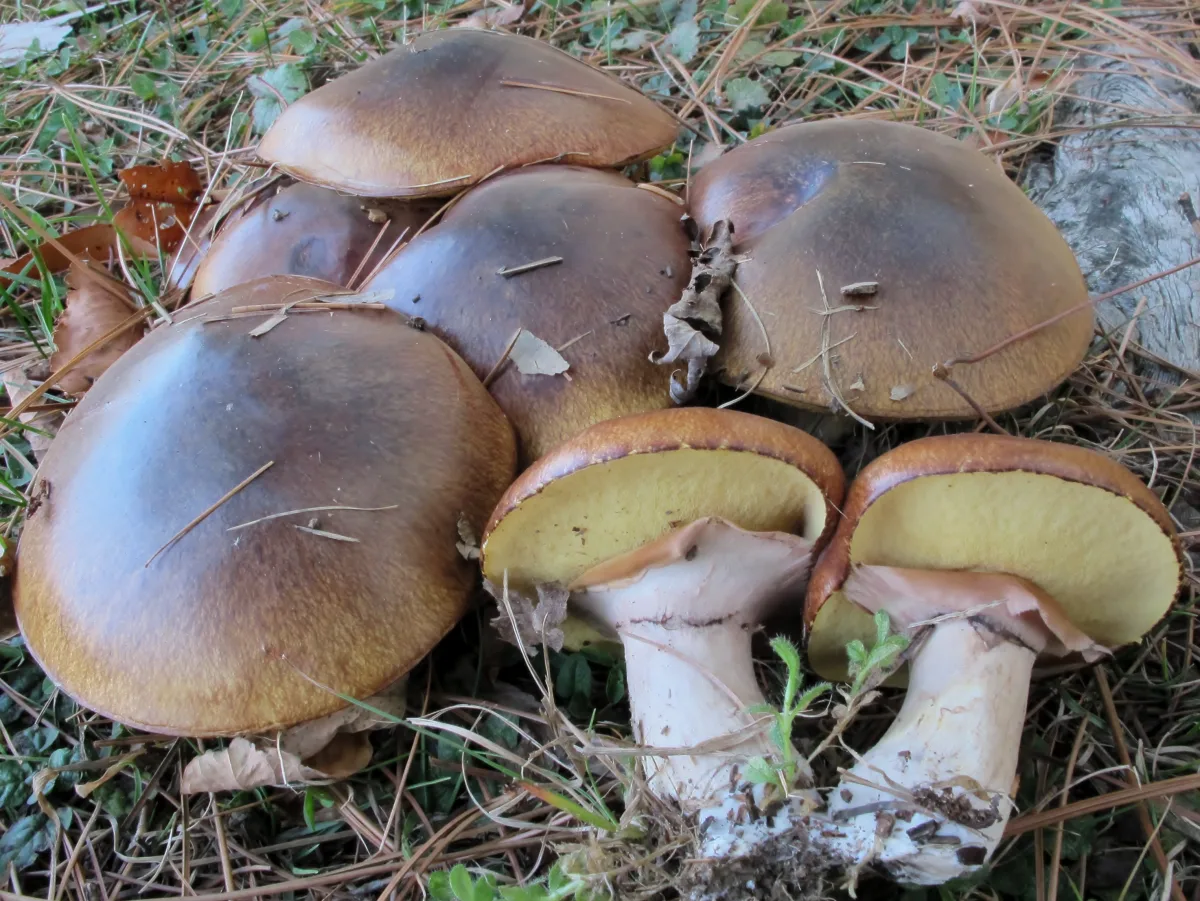 Slippery JackSuillus luteus
Highly pine-specific ectomycorrhizal fungus. Rarely found away from Pinus species.
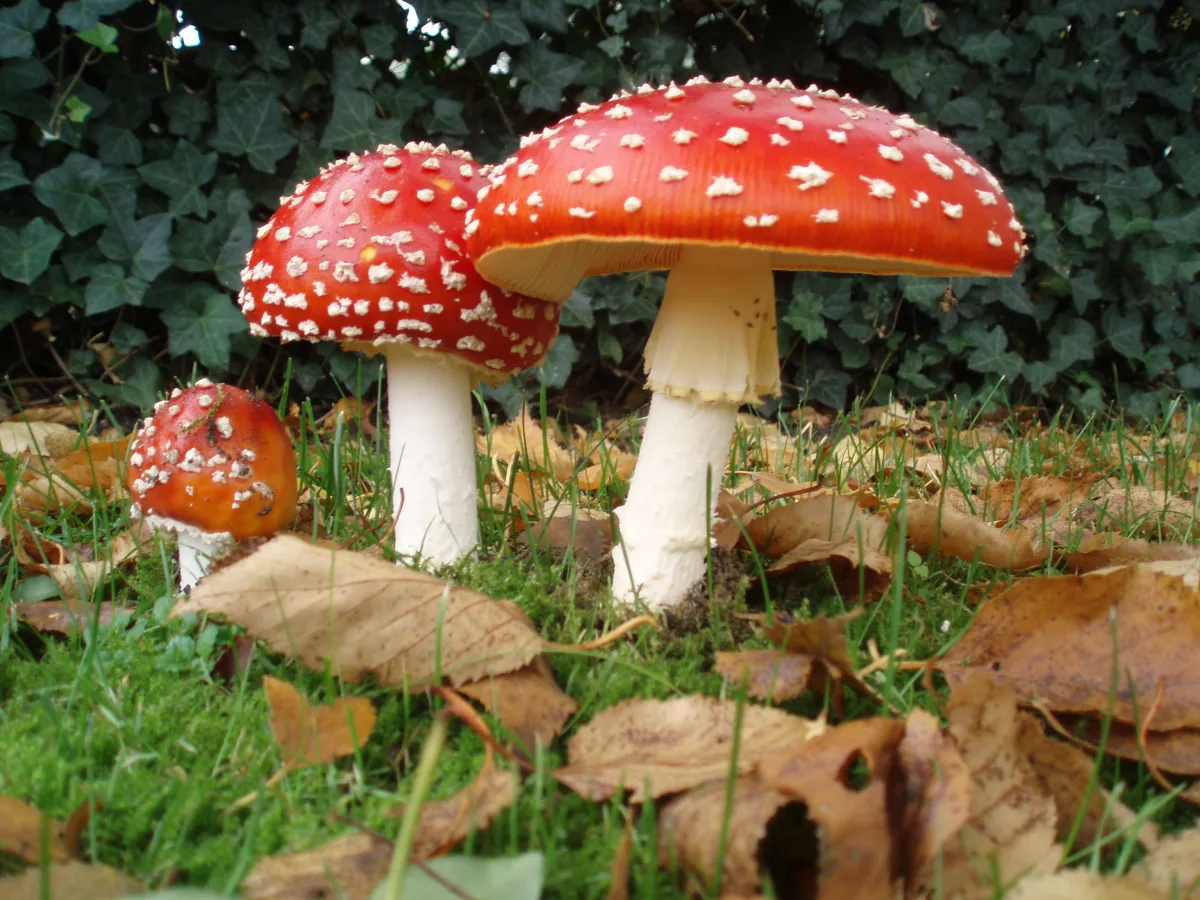 Fly AgaricAmanita muscaria
Also partners with pine. Sharing the dual oak/pine association.
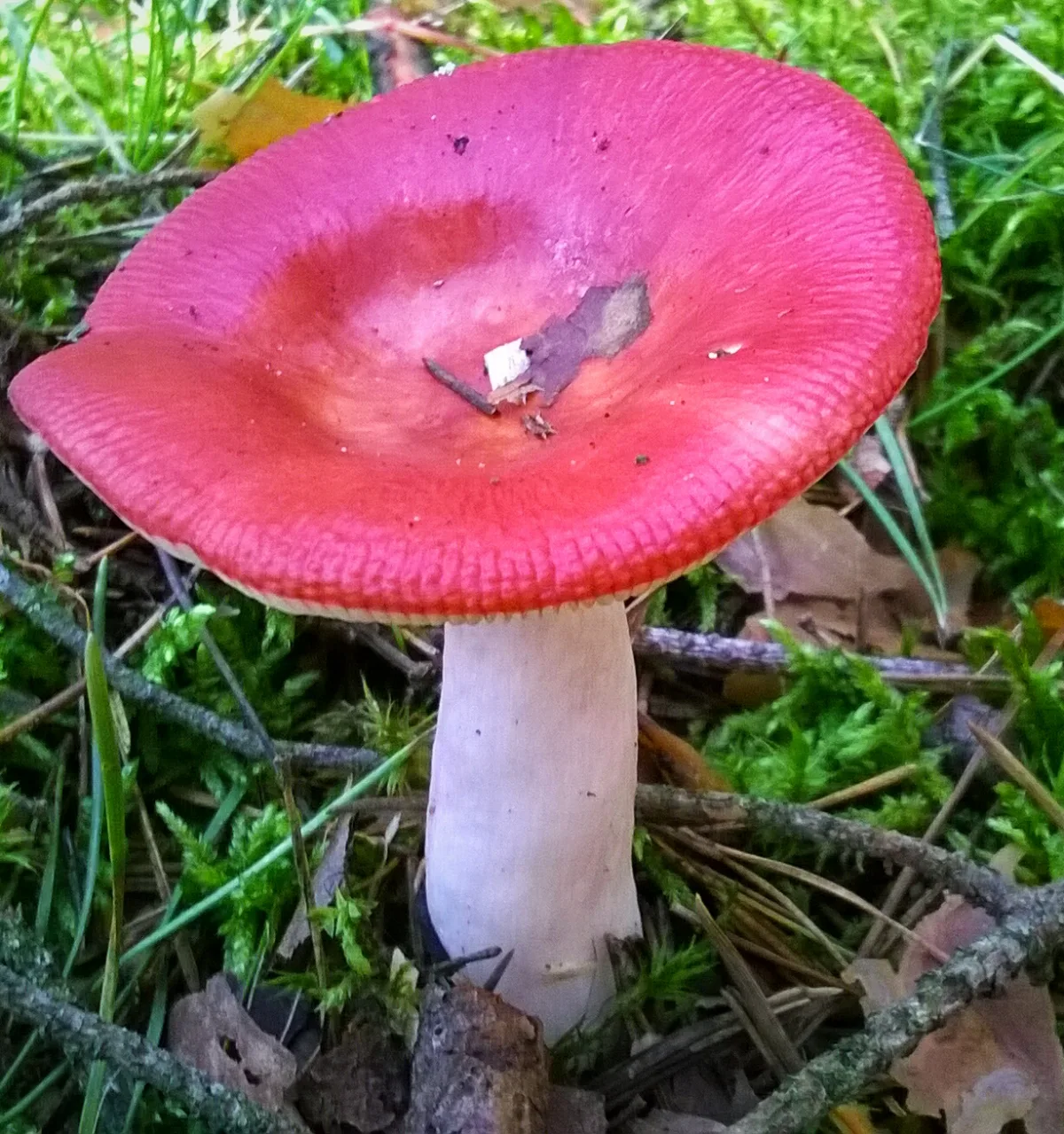 The SickenerRussula emetica
Obligate ectomycorrhizal partner of Scots Pine on acidic, boggy soils; rarely recorded away from Pinus.
Host of
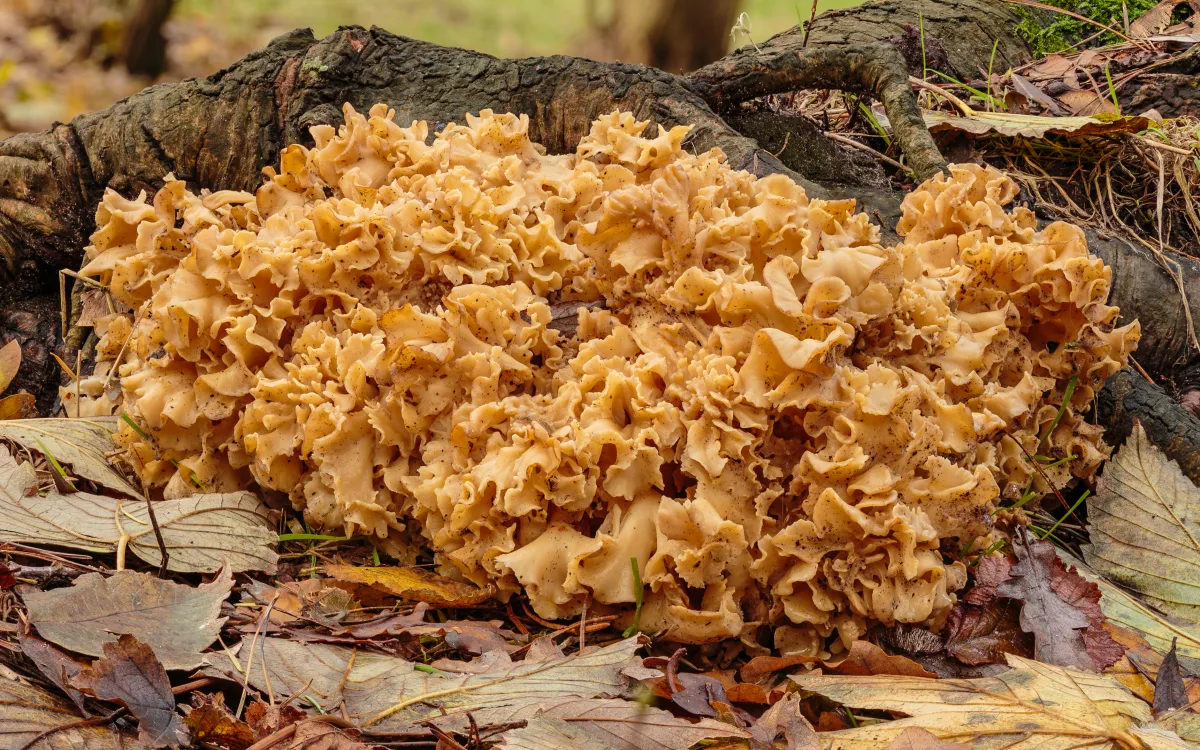 Cauliflower FungusSparassis crispa
A near-obligate root parasite of Scots Pine, fruiting at the tree's base as a spectacular cream-coloured mass of curling fronds. Causes a butt rot that can eventually kill the host, but infected trees may stand for many years.