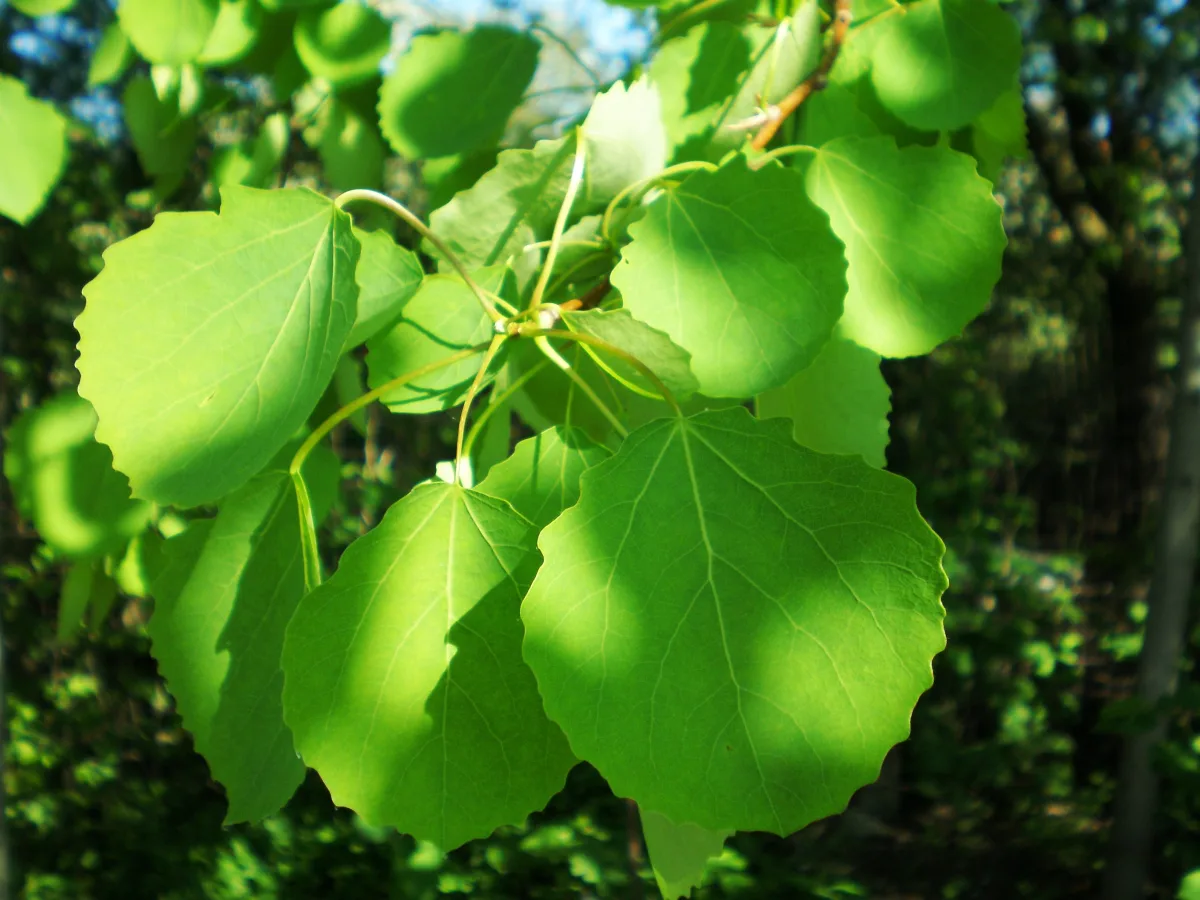
TreeSalicaceae
Aspen
Populus tremula
- Habitat
- Woodland clearings, moorland edge, montane scrub. Fast-growing pioneer
- IUCN status
- LCLeast Concern
- Max height
- 25 m
Ecological relationships
Nesting site for
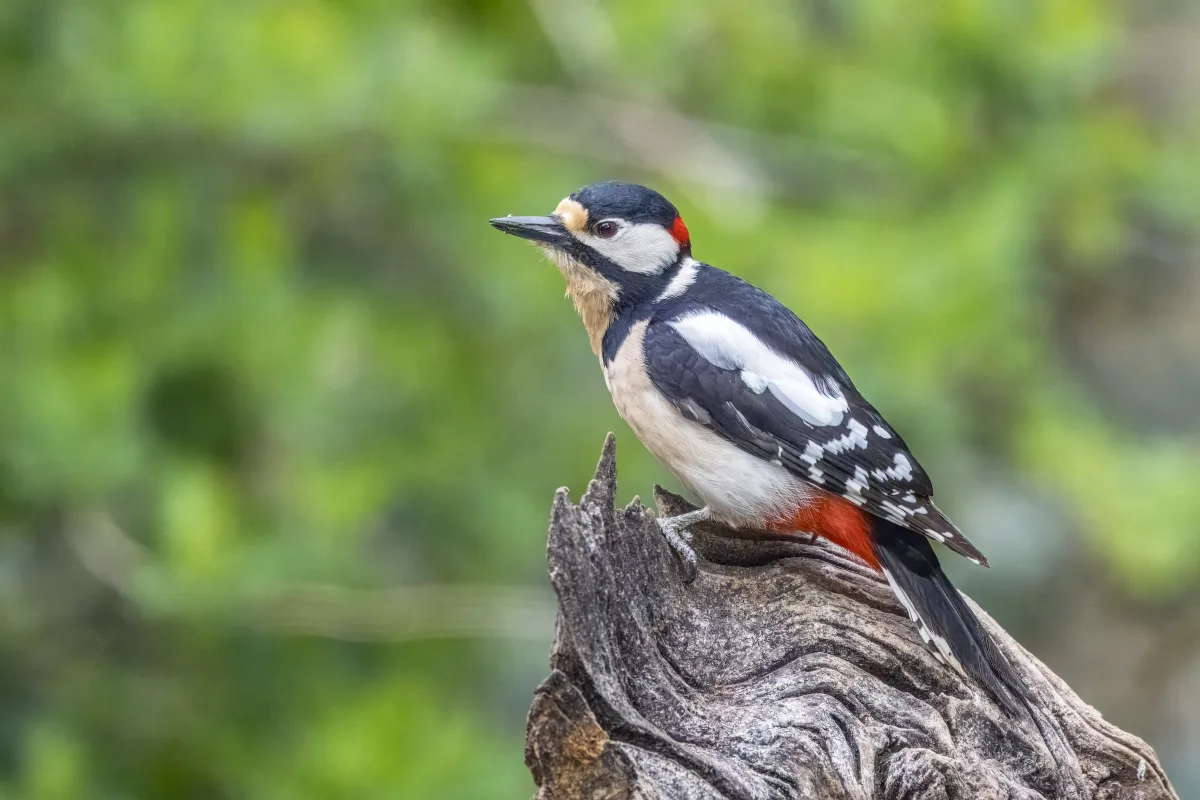 Great Spotted WoodpeckerDendrocopos major
Excavates nest holes in Aspen more readily than in oak. The soft, fast-decaying wood requires significantly less effort. Aspen stands are disproportionately important for woodpecker nesting density relative to tree abundance.
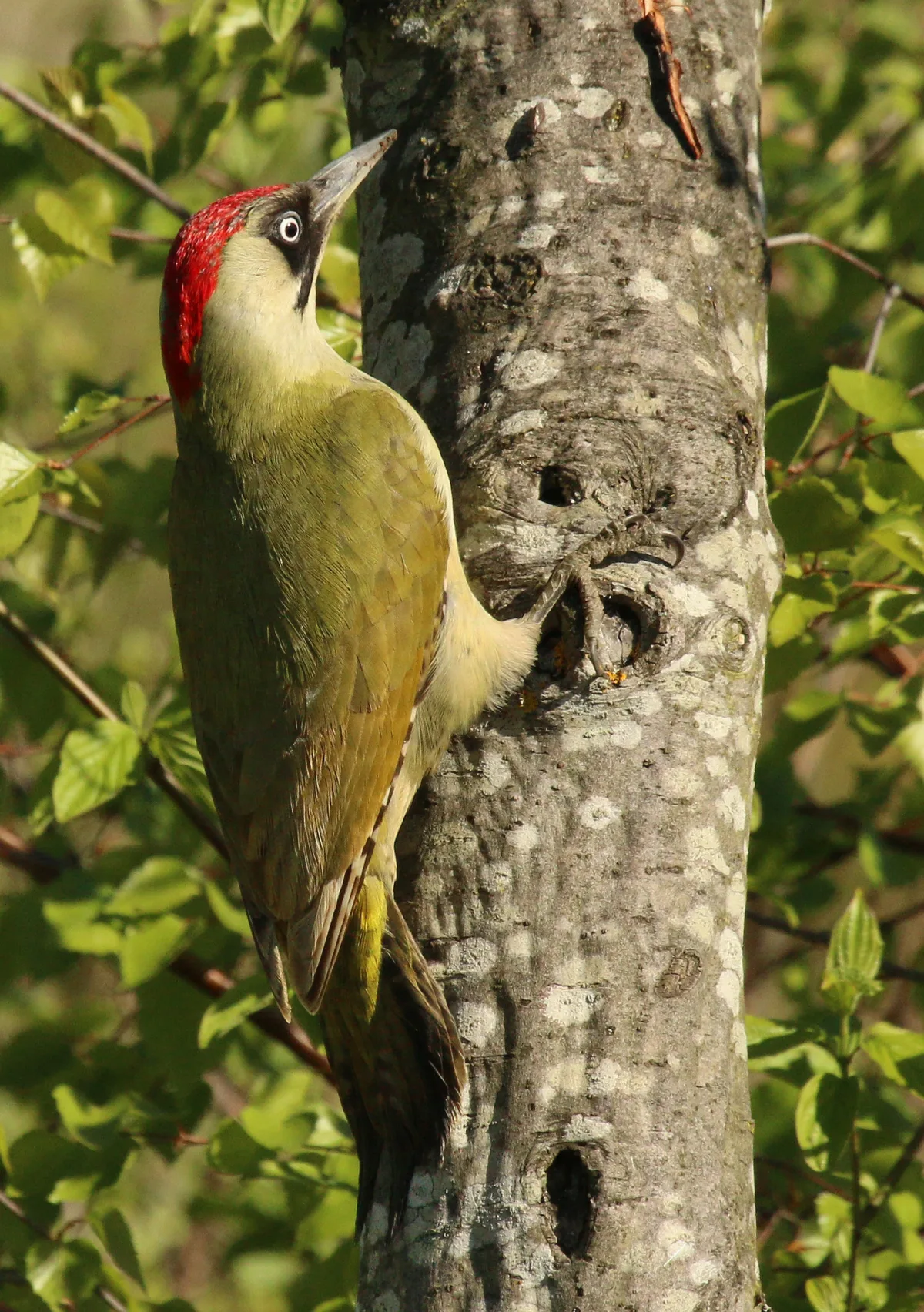 European Green WoodpeckerPicus viridis
Excavates nest cavities in soft aspen heartwood, especially where fungal heart-rot is present; Aspen's rapid decay makes it a preferred nesting substrate in mixed woodland.
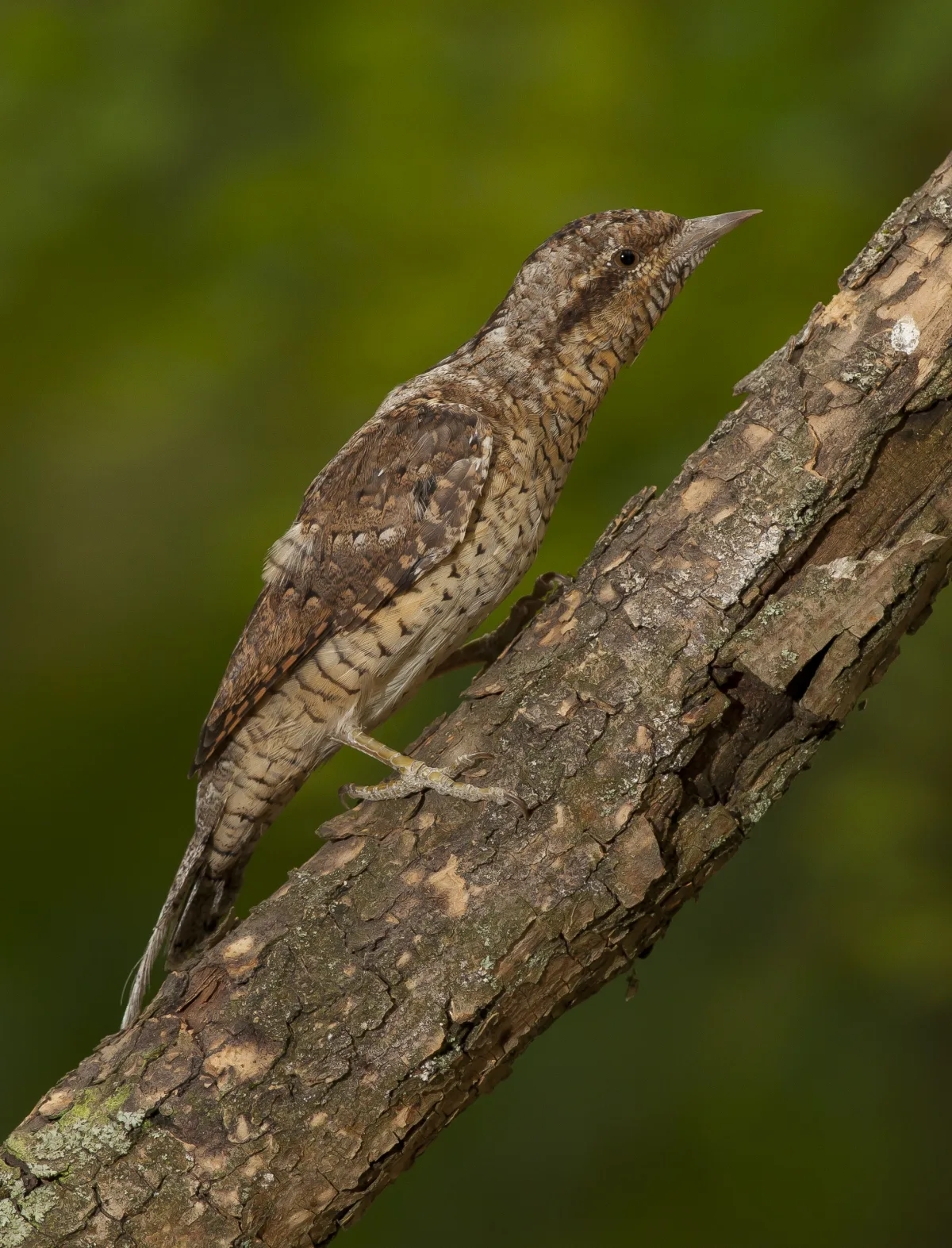 WryneckJynx torquilla
Obligate secondary cavity nester, strongly associated with aspen woodpecker holes.
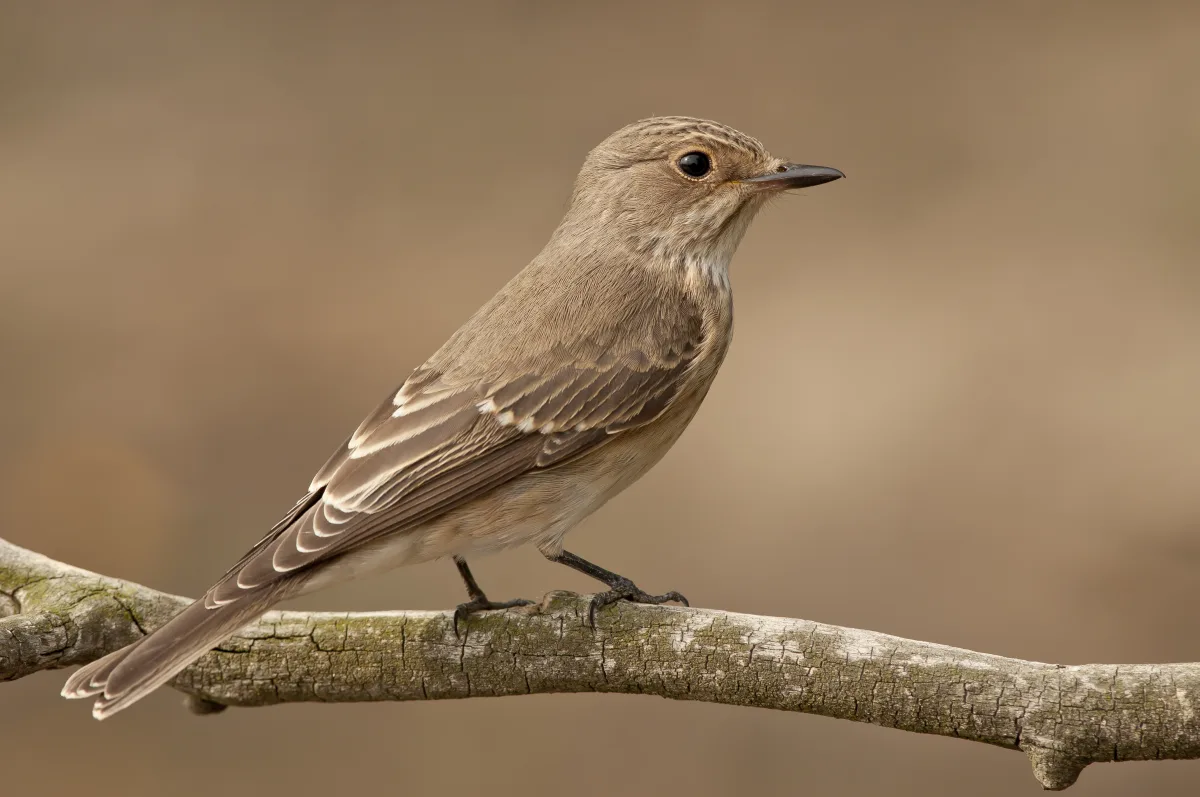 Spotted FlycatcherMuscicapa striata
Uses Black Woodpecker and Great Spotted Woodpecker cavities in large aspens.
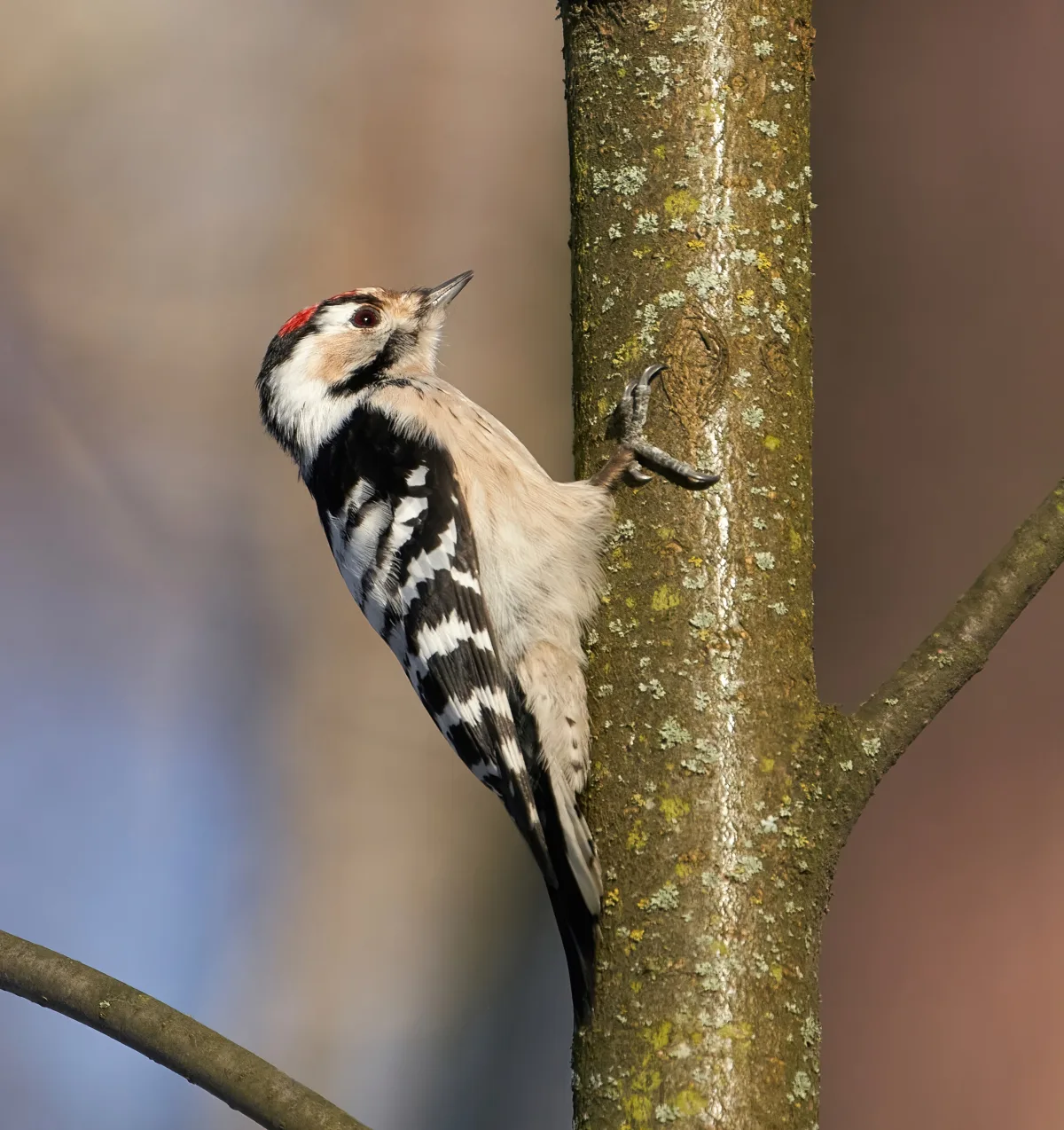 Lesser Spotted WoodpeckerDryobates minor
Nests in dead or dying Aspen, particularly where Tinder Fungus has softened heartwood.
Parasitised by
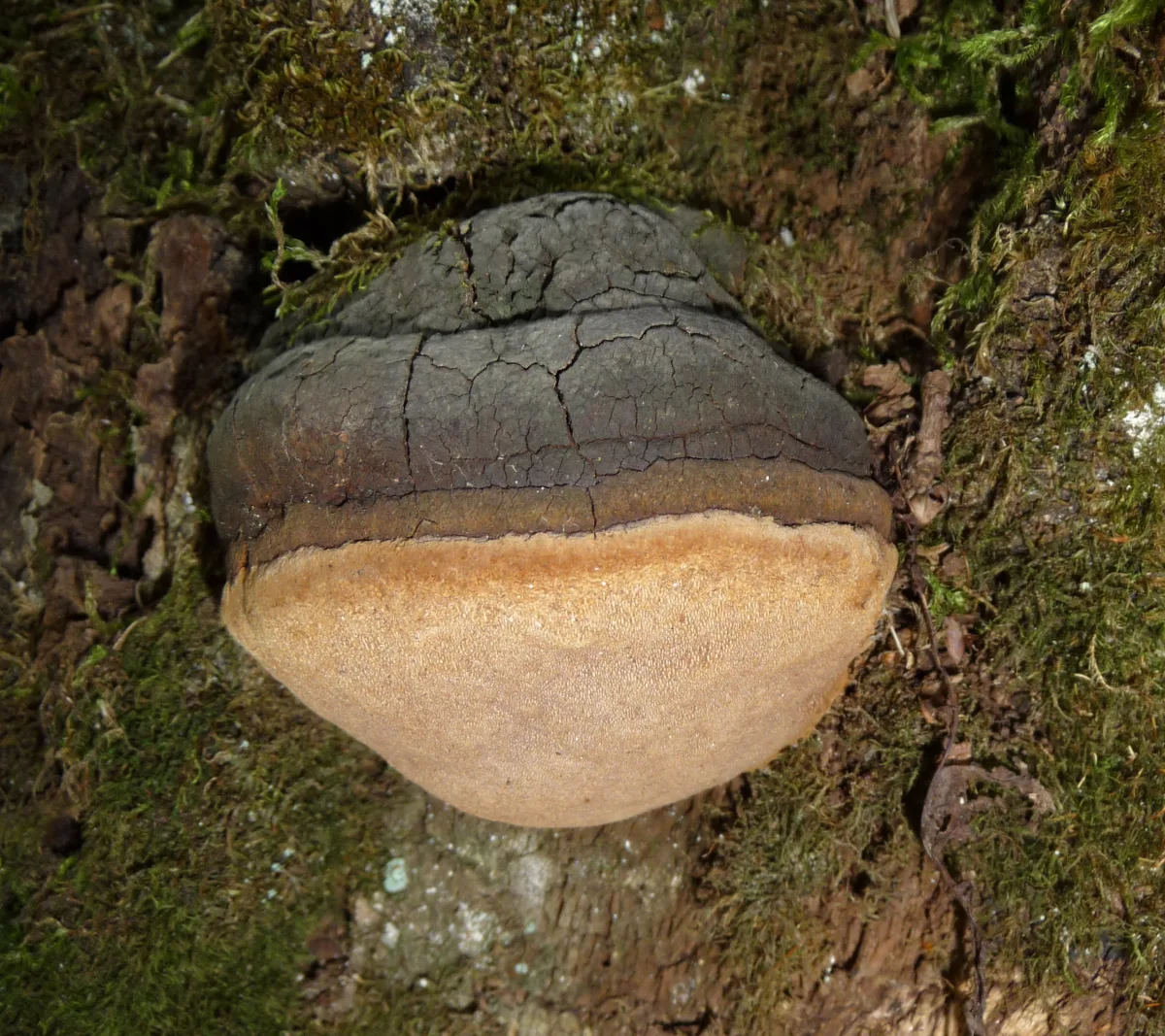 Willow BracketPhellinus igniarius
A primary heart-rot pathogen of living Aspen, creating decay columns that are subsequently excavated by woodpeckers as nest cavities. A documented fungus → bird facilitation chain.
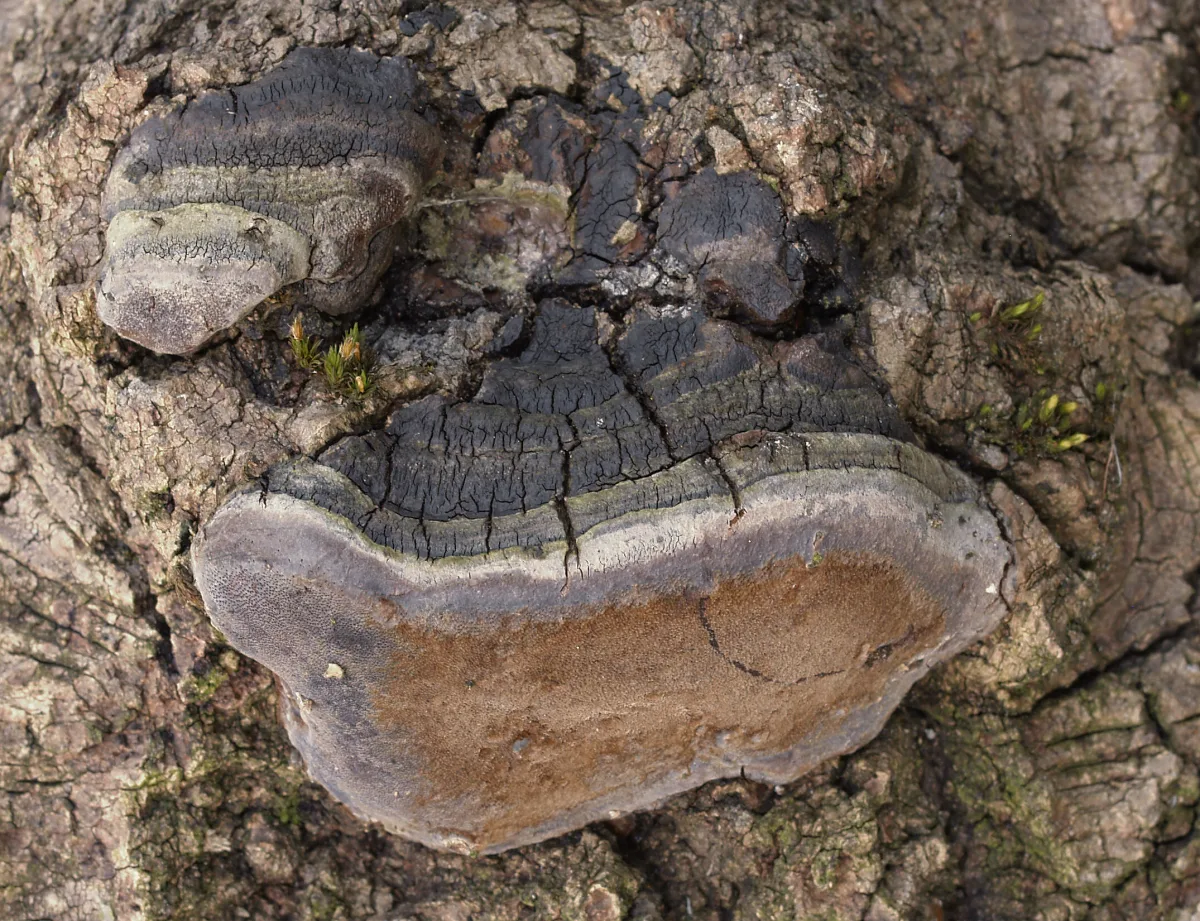 Aspen BracketPhellinus tremulae
Obligate host-specific white-rot parasite of Aspen; causes the heartwood decay essential for cavity-nesting birds.
Host of
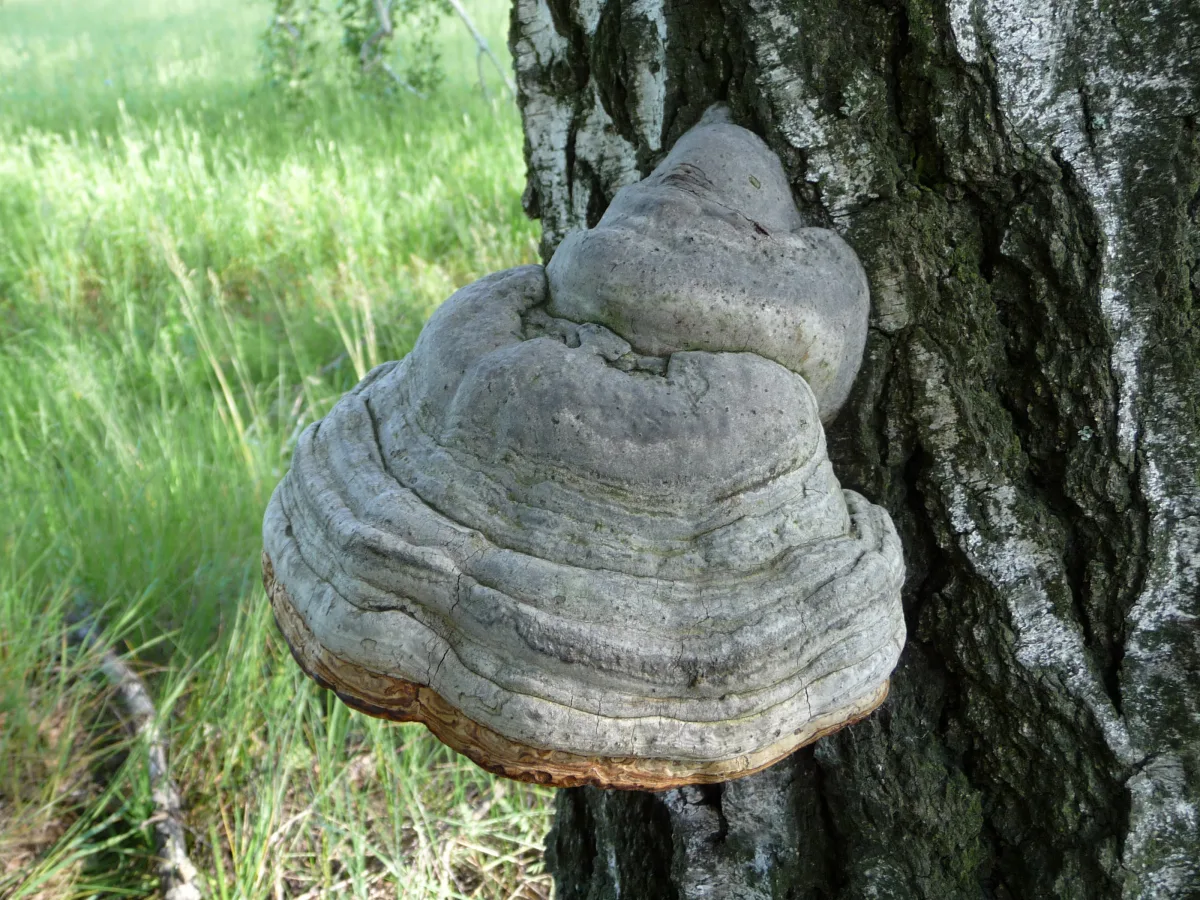 Tinder FungusFomes fomentarius
Saprotrophic and weakly parasitic on Aspen in boreal and montane woodland.
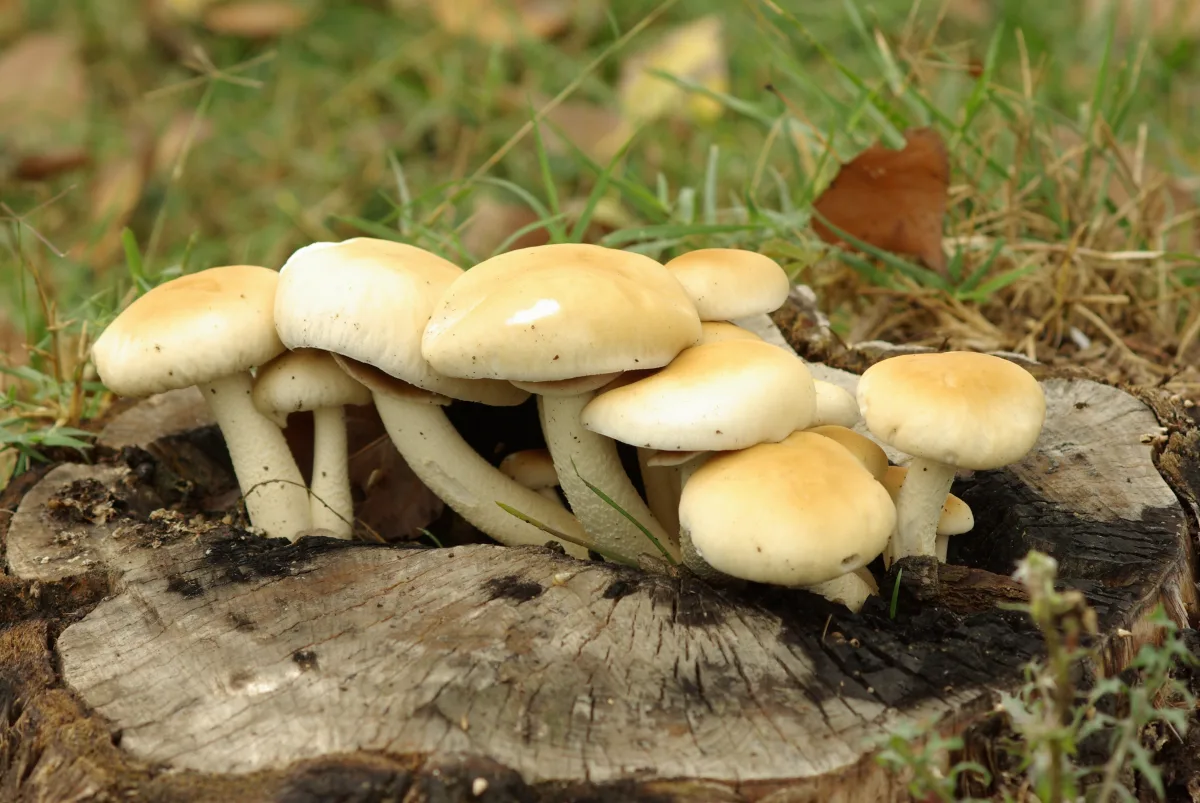 Poplar FieldcapCyclocybe cylindracea
Also commonly found on Aspen stumps and standing deadwood.
Mycorrhizal partner of
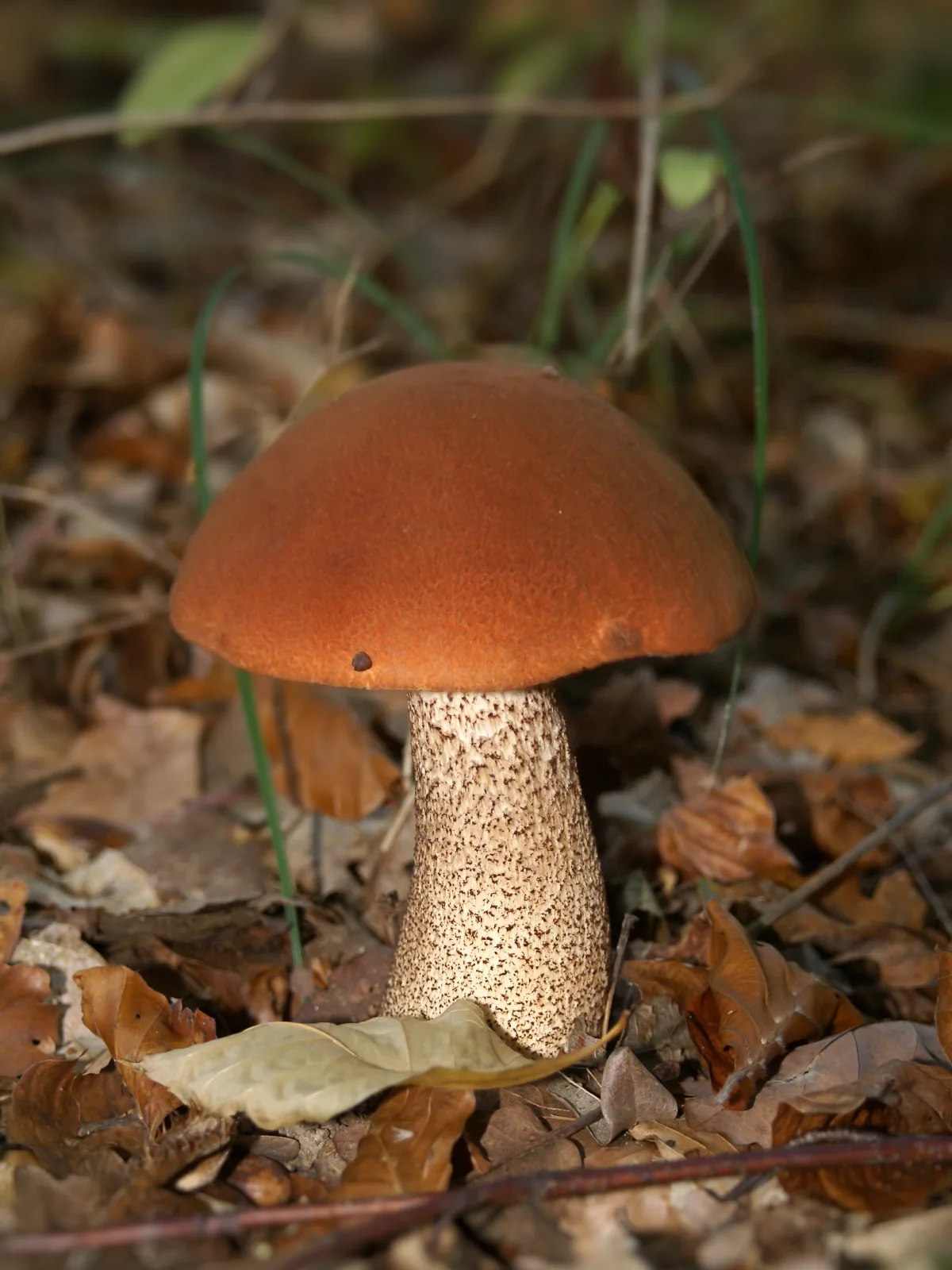 Orange Birch BoleteLeccinum aurantiacum
Near-obligate ectomycorrhizal partner; Aspen is the primary host throughout the European range.
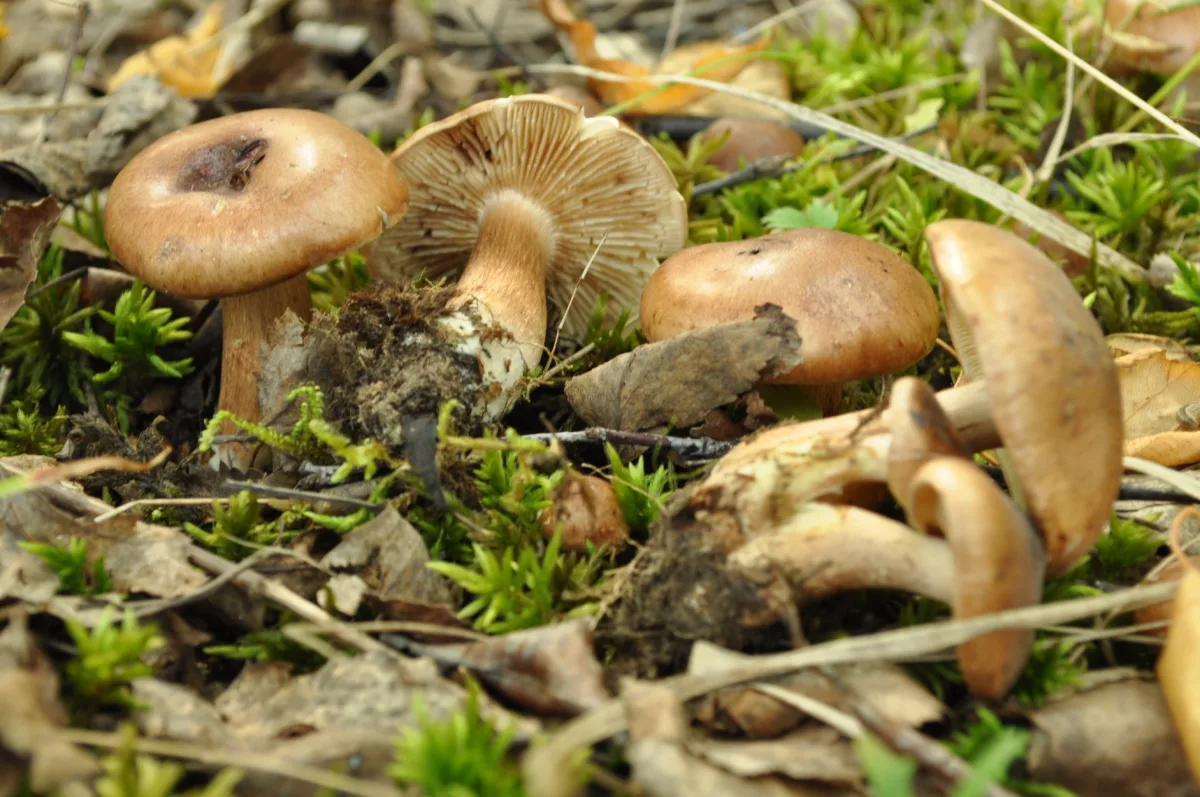 Poplar KnightTricholoma populinum
Also forms ectomycorrhiza with Aspen in riparian and lowland woodland.