TreeFagaceae
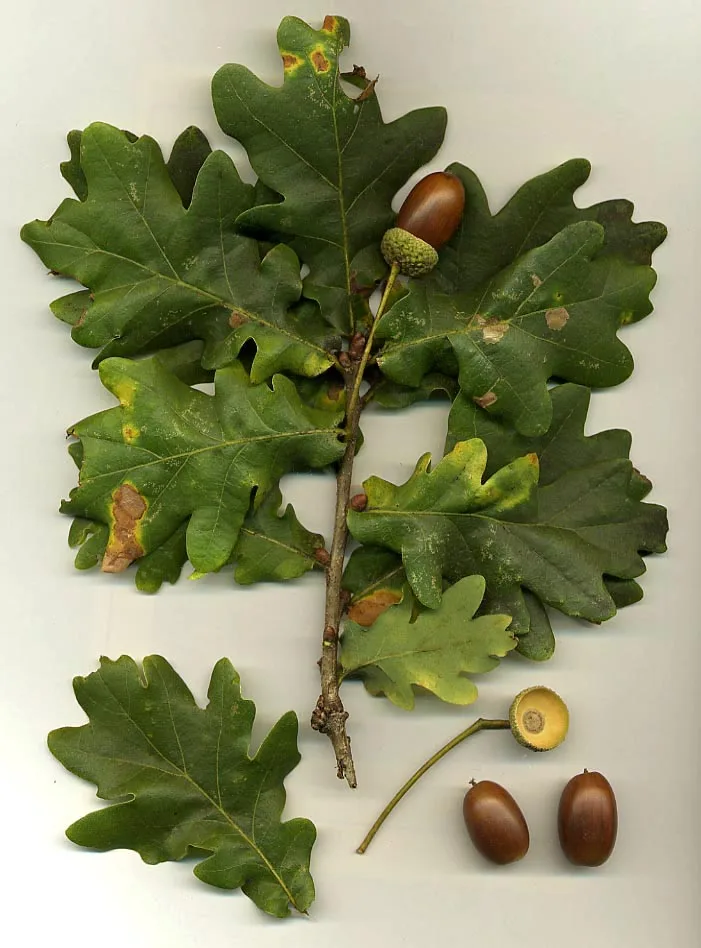
Pedunculate Oak
Quercus robur
- Habitat
- Lowland deciduous woodland, hedgerows
- IUCN status
- LCLeast Concern
- Max height
- 40 m
Ecological relationships
Seeds dispersed by
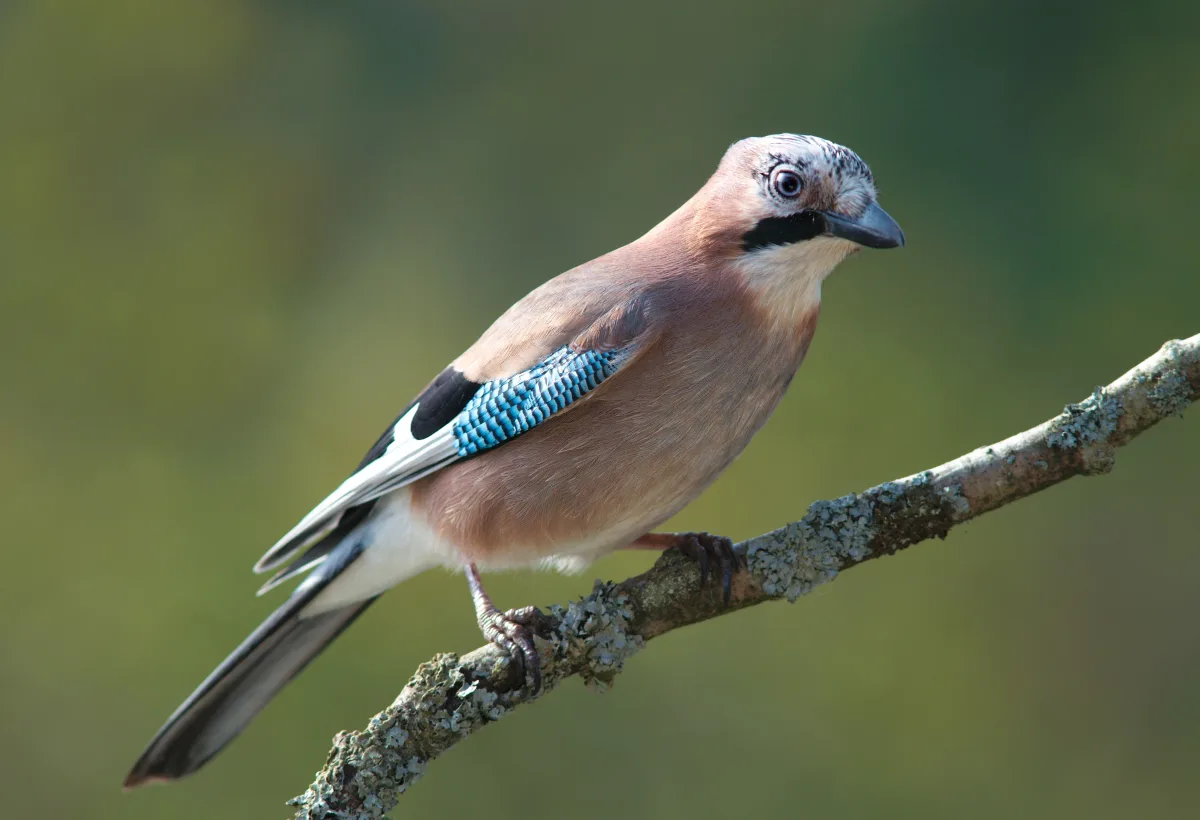 Eurasian JayGarrulus glandarius
Primary disperser of oak across Europe. Buries acorns and forgets many of them.
Nesting site for
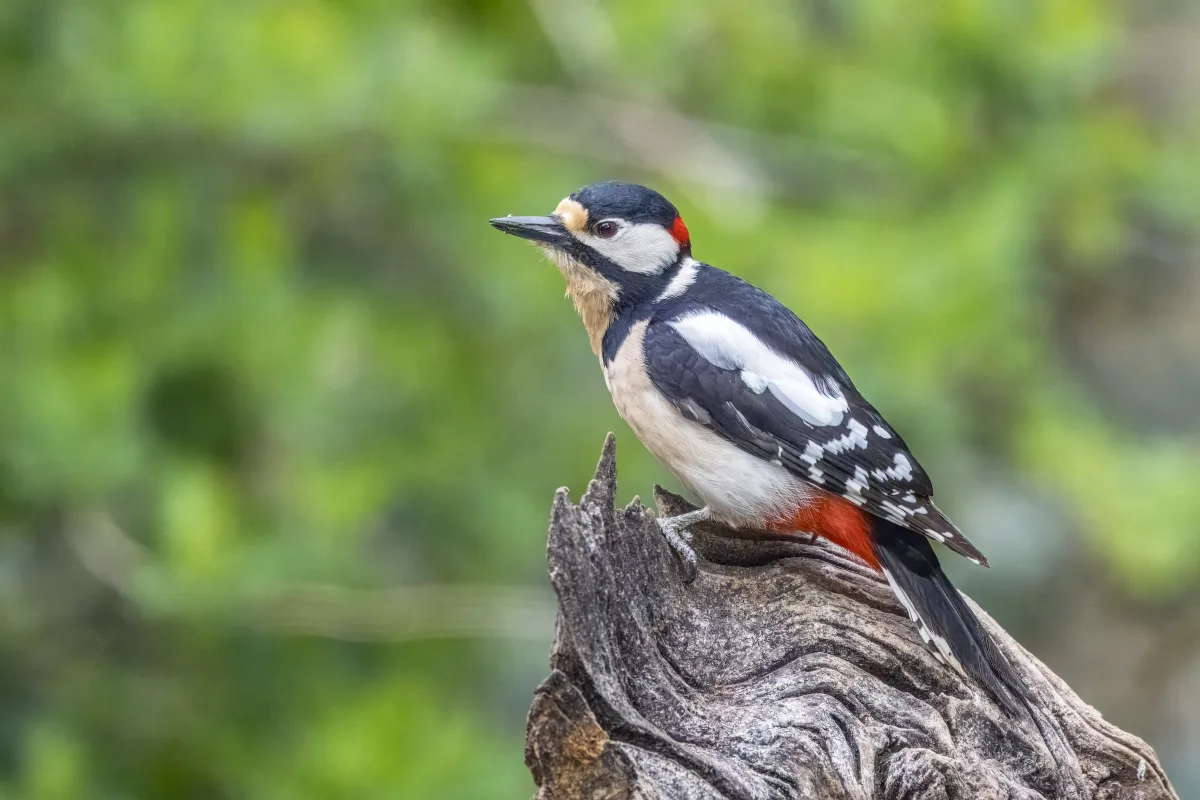 Great Spotted WoodpeckerDendrocopos major
Excavates nesting cavities in mature oak trunks.
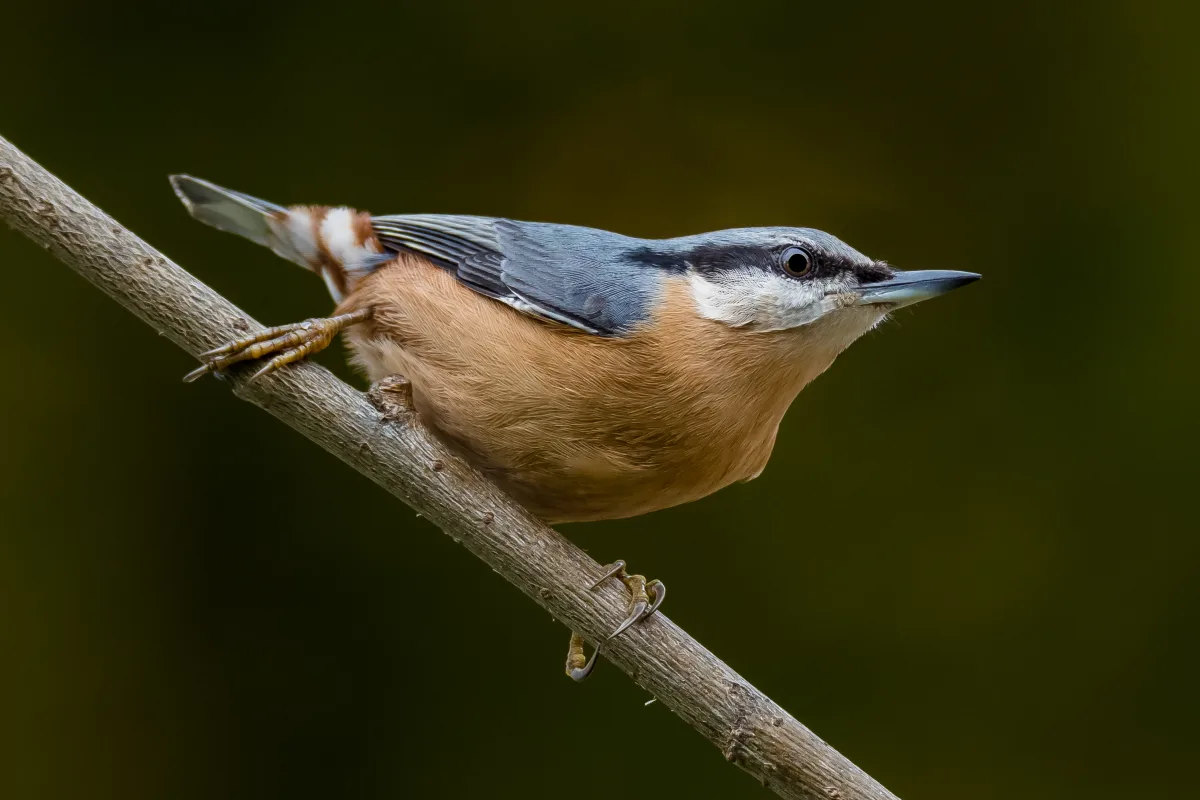 Eurasian NuthatchSitta europaea
Uses natural holes in mature oaks. Plasters the entrance with mud to reduce the opening to fit its body exactly.
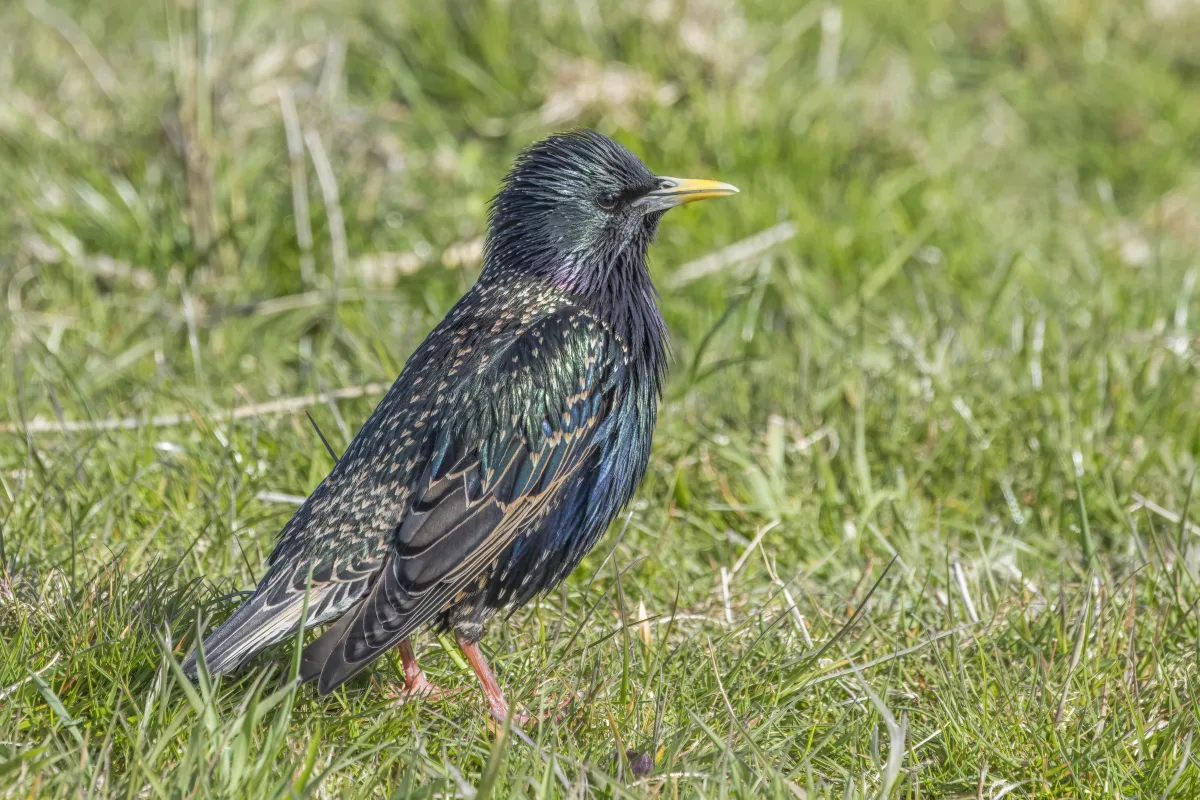 Common StarlingSturnus vulgaris
Colonises old woodpecker cavities in veteran oaks. One of the main secondary users of holes excavated by Great Spotted Woodpecker.
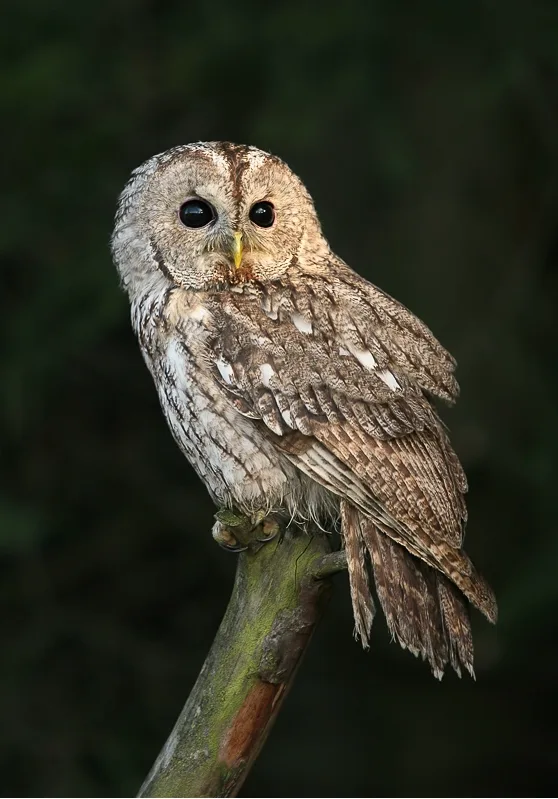 Tawny OwlStrix aluco
Obligate cavity nester. Relies on large-diameter veteran oaks with natural hollows or old woodpecker excavations. One of the most extensively studied nest-site associations in European ornithology.
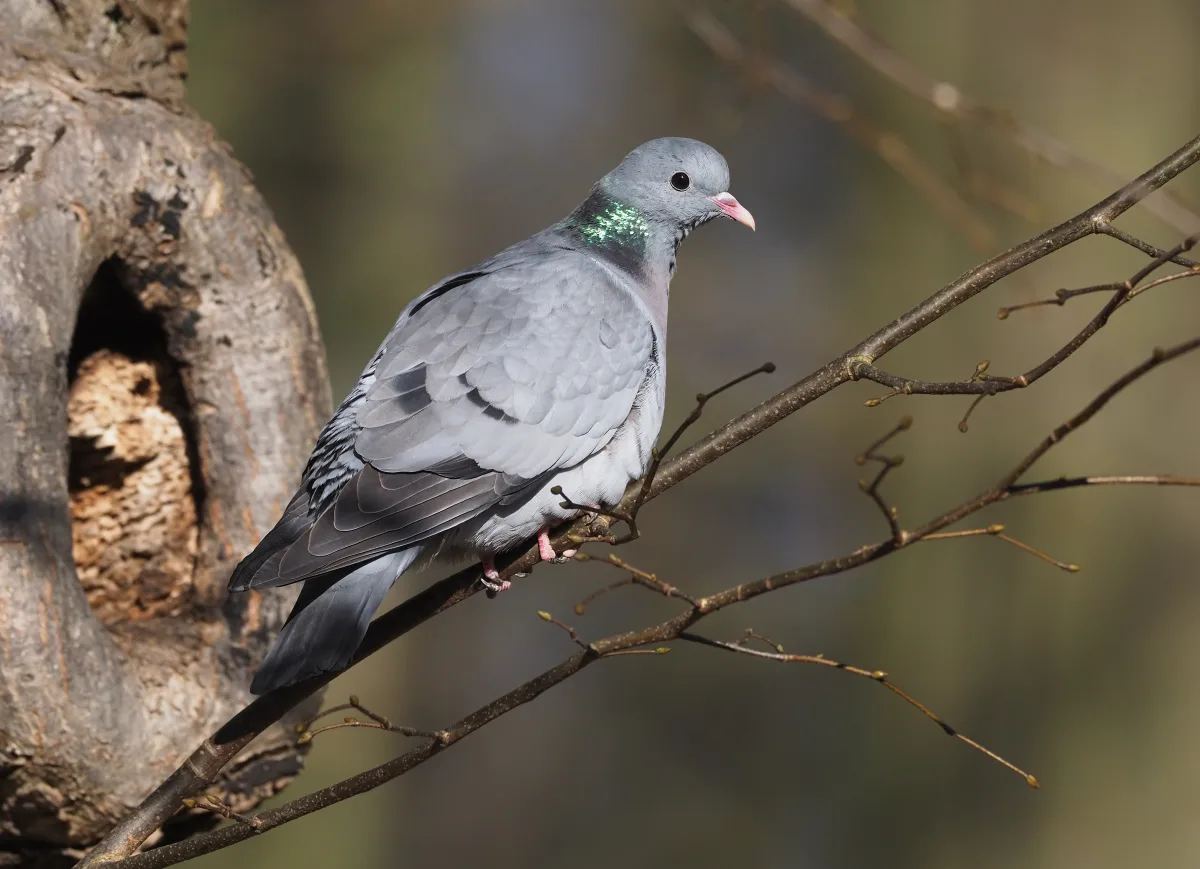 Stock DoveColumba oenas
Obligate cavity nester that cannot breed in open trees, entirely dependent on large natural hollows in veteran Pedunculate Oak. Unlike Woodpigeon, it has no alternative nest site. Population size is closely tied to veteran oak availability.
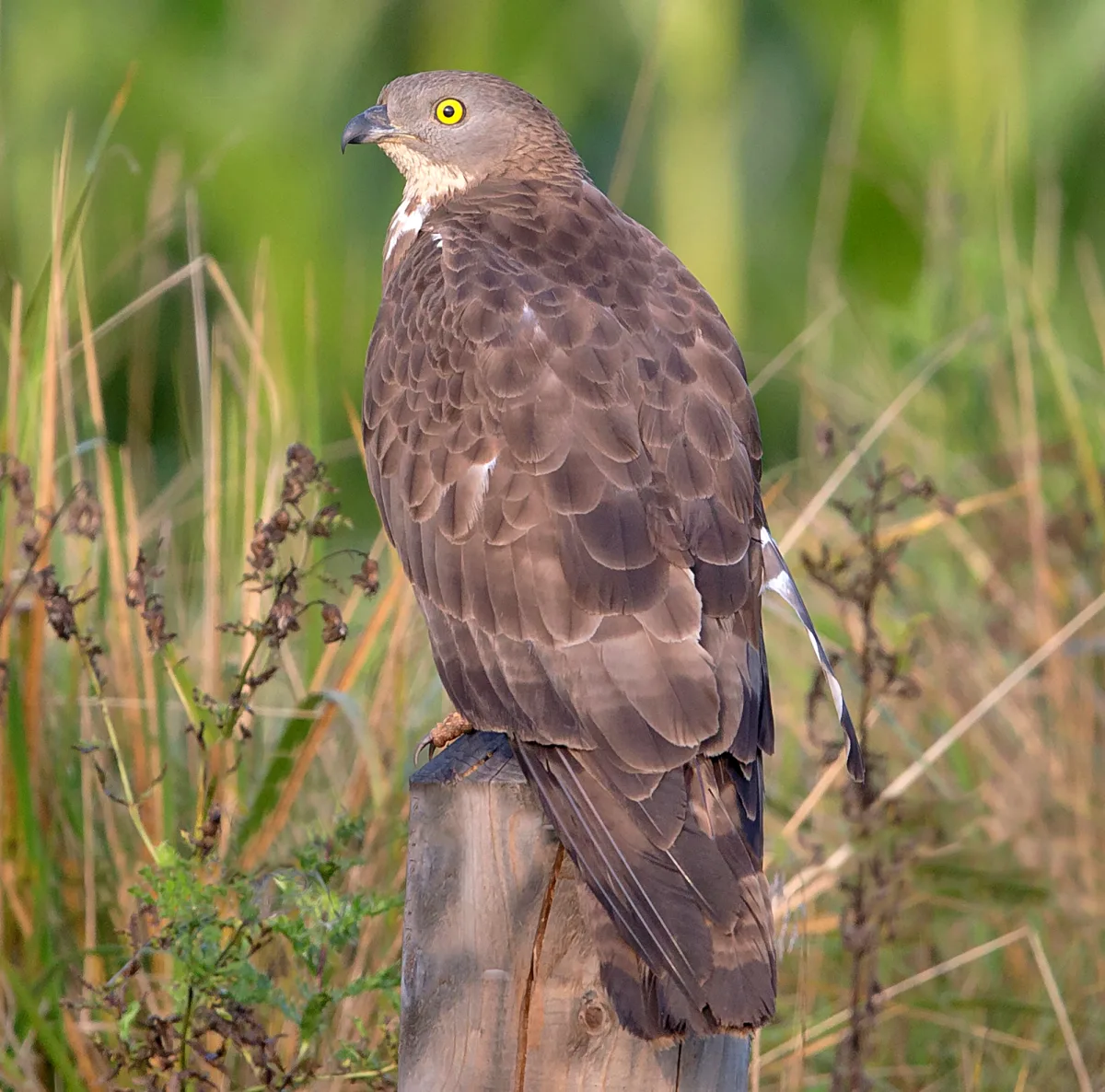 Honey BuzzardPernis apivorus
Also nests in large oaks where beech is unavailable.
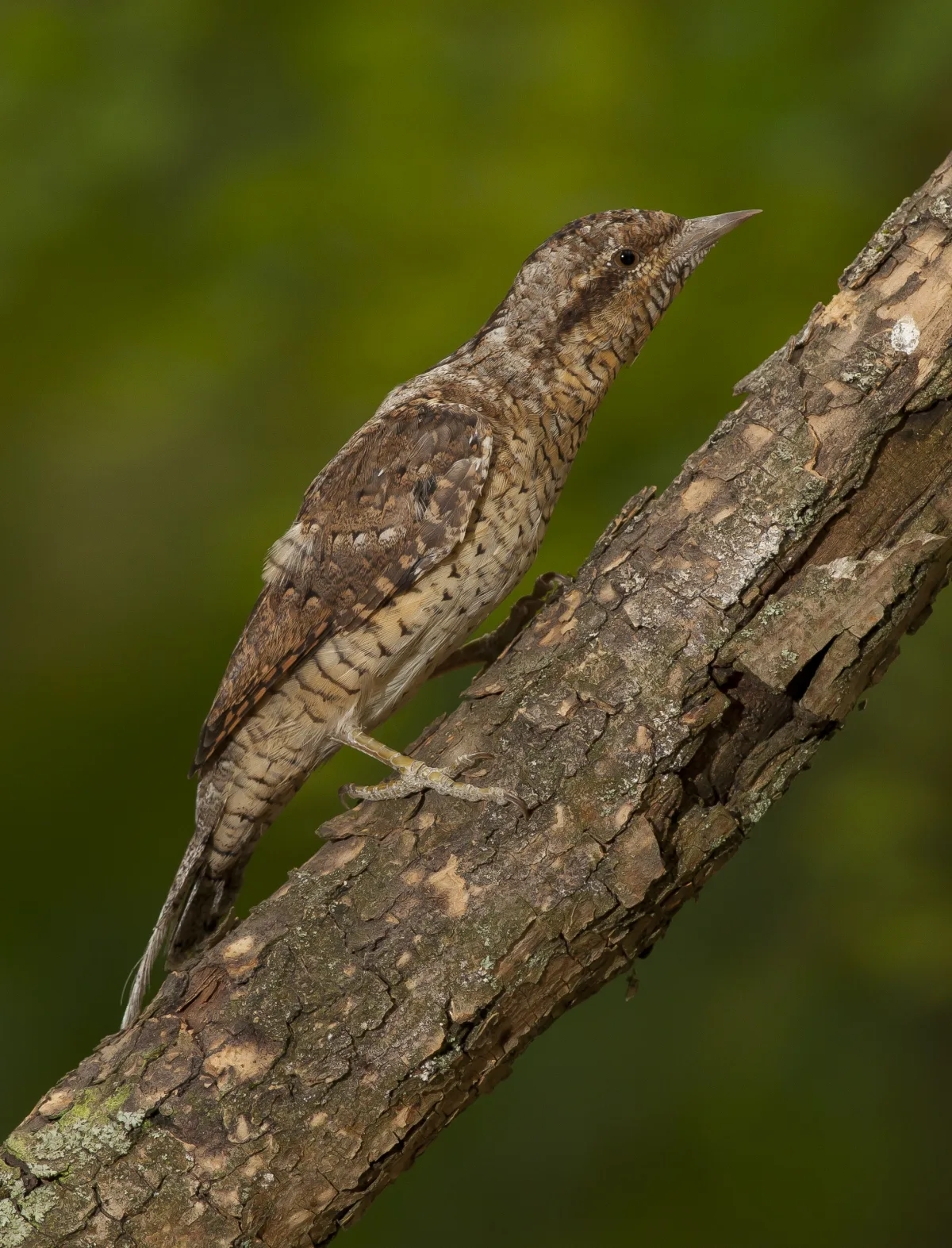 WryneckJynx torquilla
Uses existing woodpecker cavities in mature oaks.
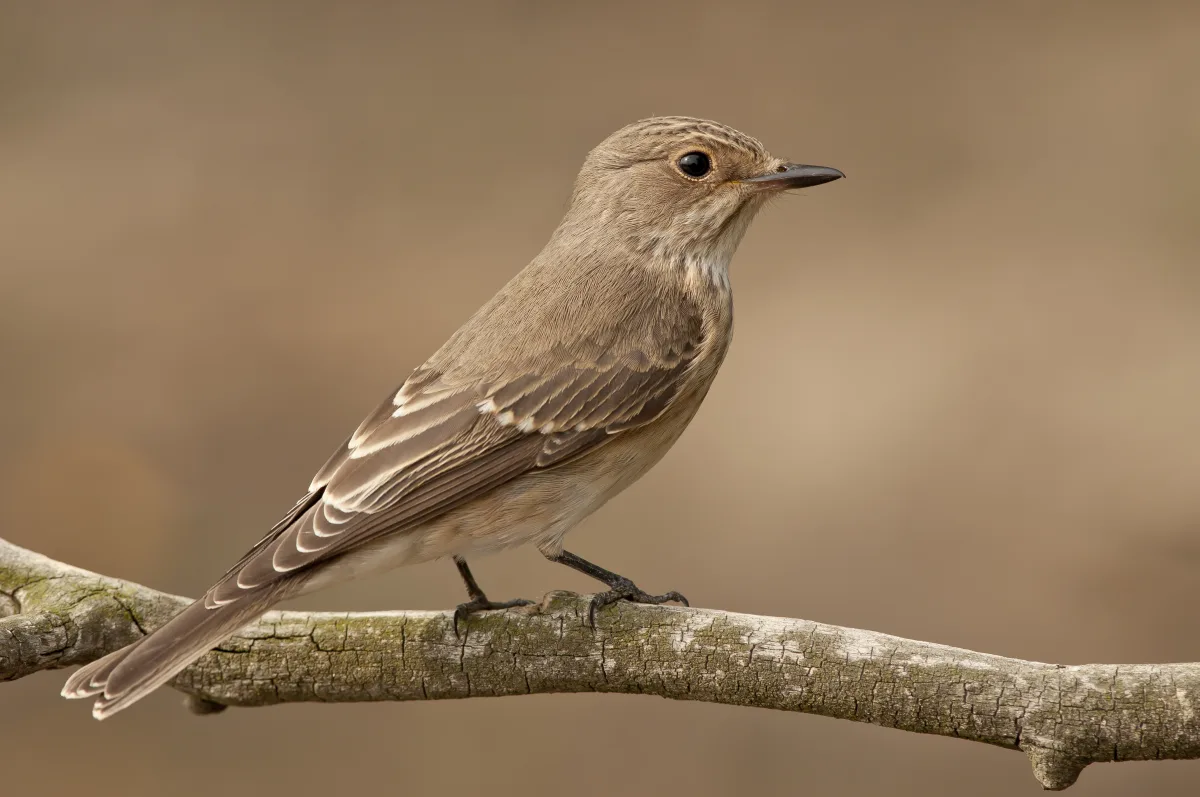 Spotted FlycatcherMuscicapa striata
Nests in natural cavities and old woodpecker holes in mature oaks.
Mycorrhizal partner of
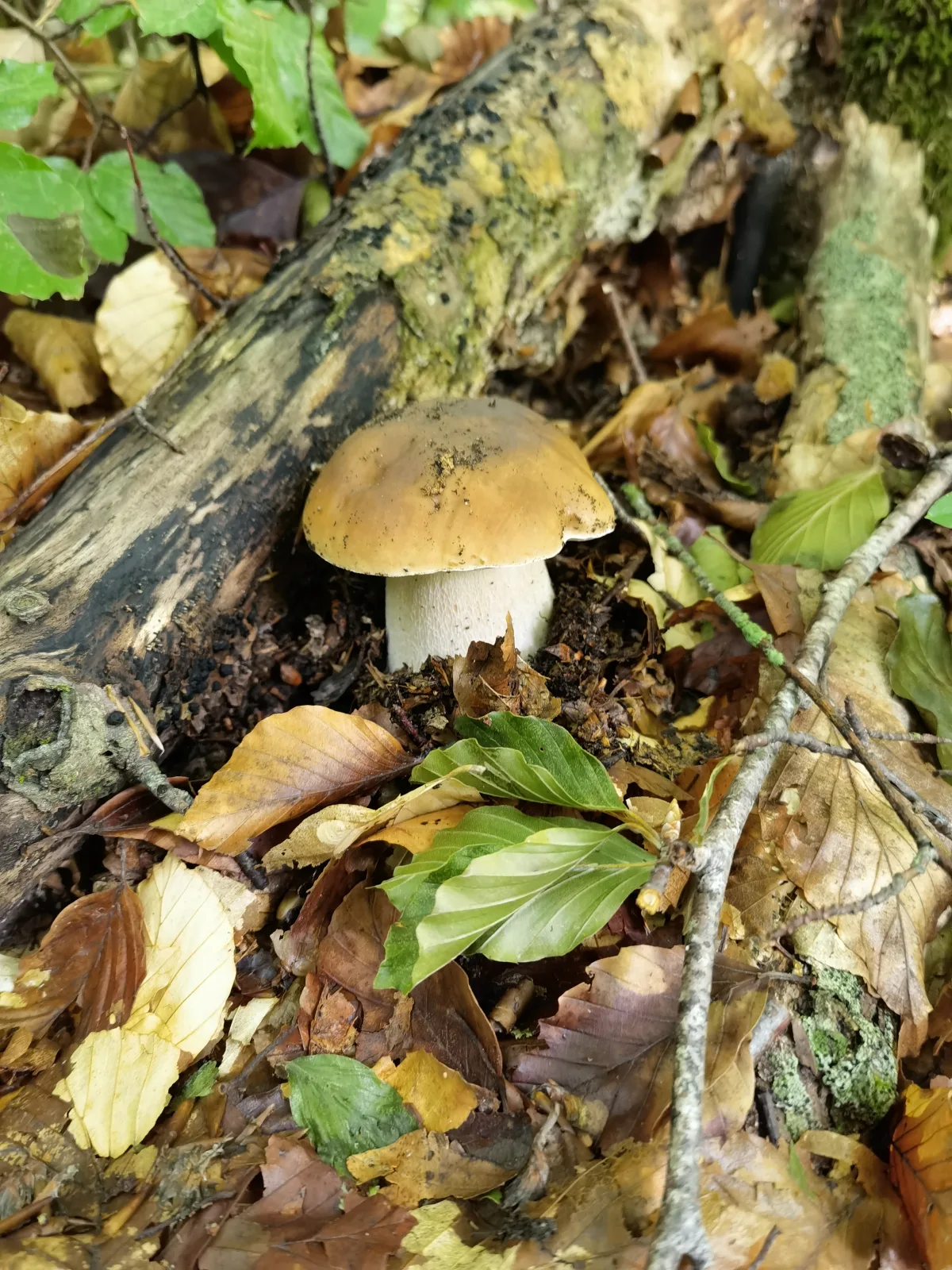 Penny BunBoletus edulis
Ectomycorrhizal partner. Extends root reach in exchange for sugars.
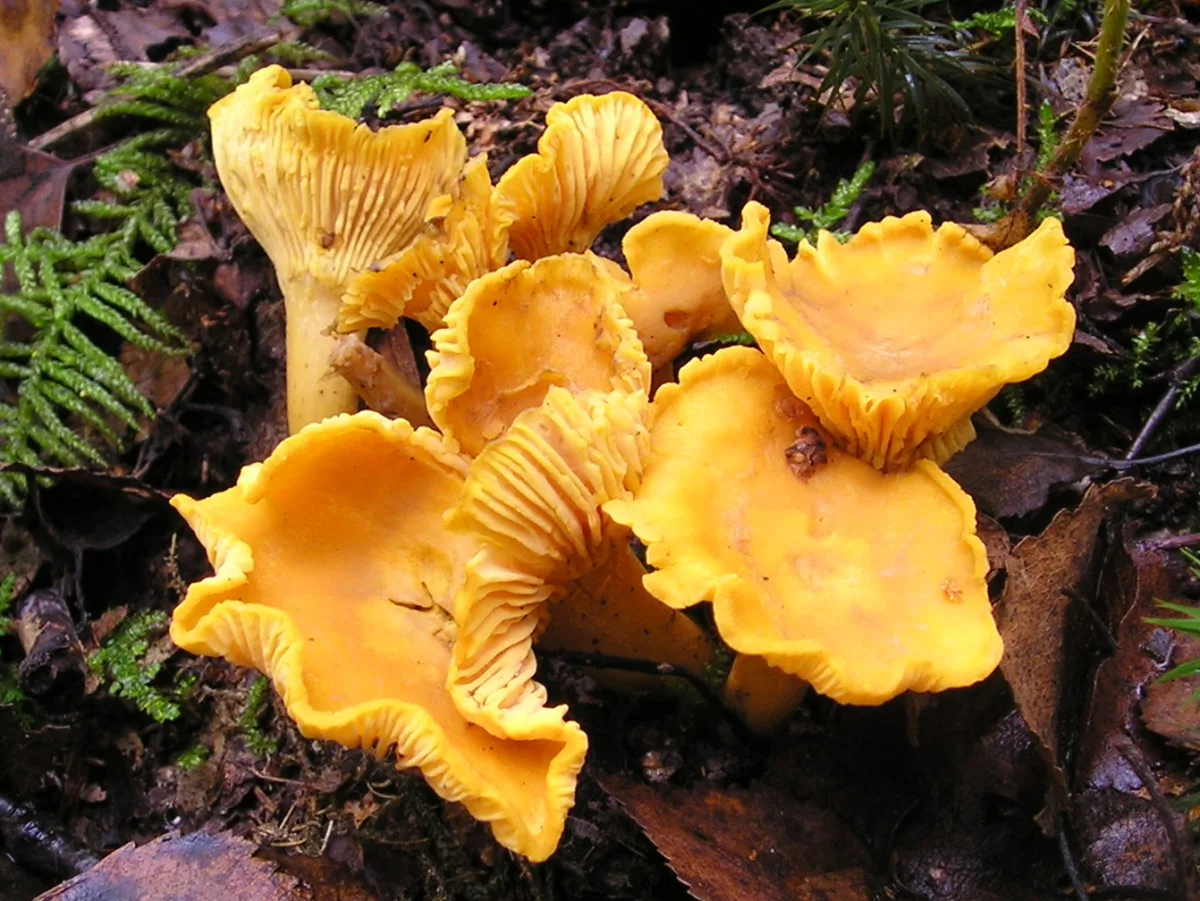 ChanterelleCantharellus cibarius
Ectomycorrhizal partner commonly found under oak.
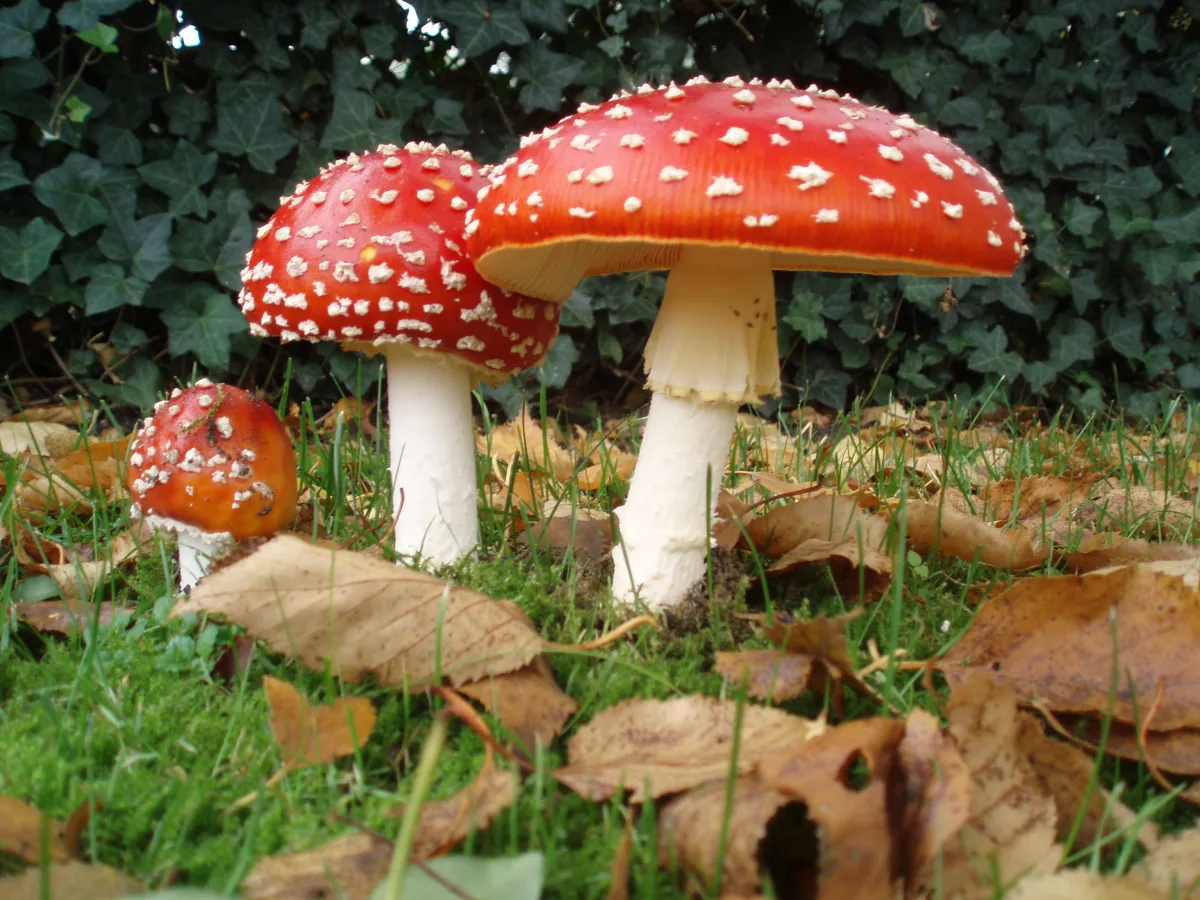 Fly AgaricAmanita muscaria
Ectomycorrhizal partner of oak and birch.
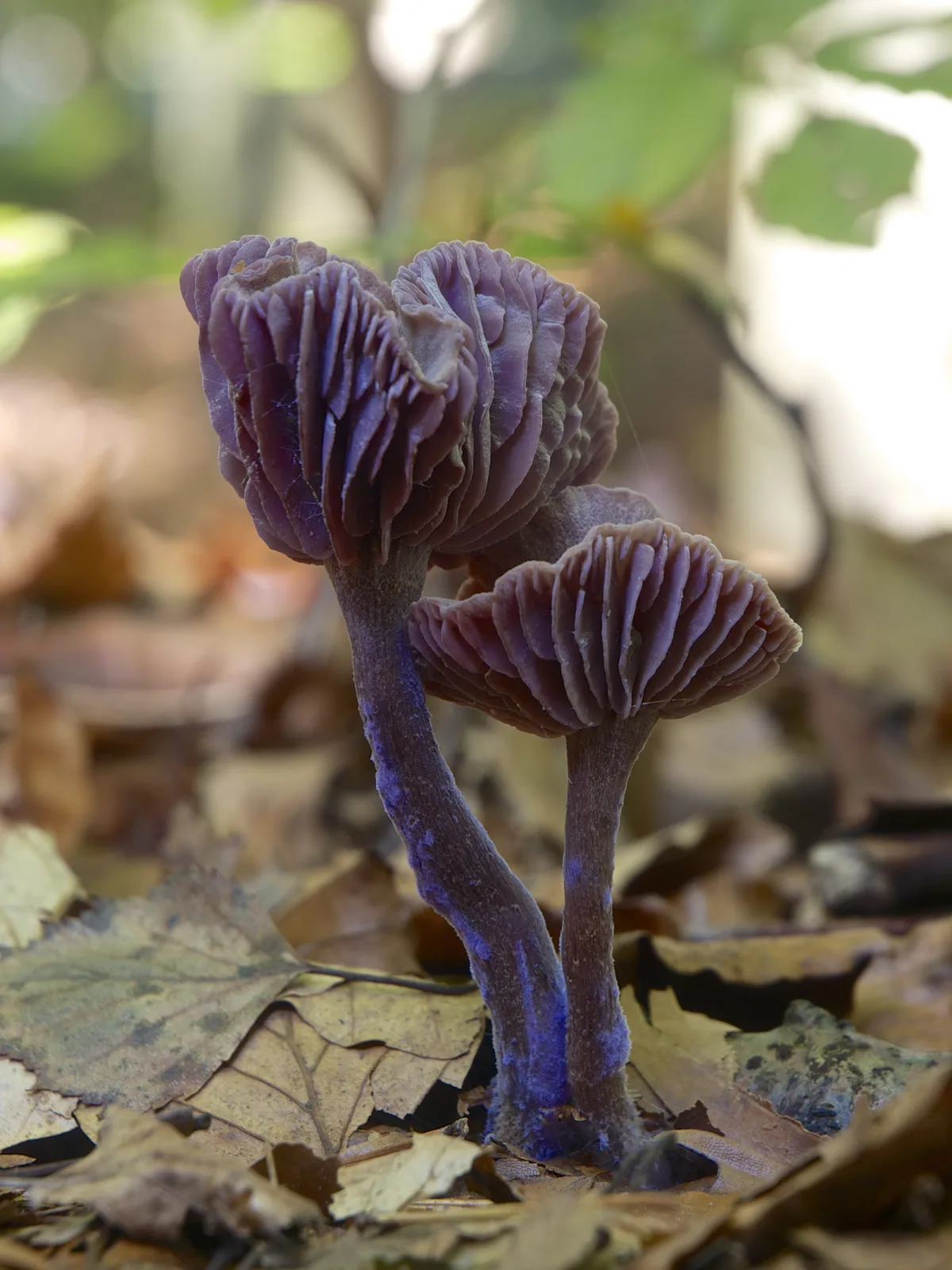 Amethyst DeceiverLaccaria amethystina
Also forms mycorrhiza with oak, though less diagnostic than its beech association.
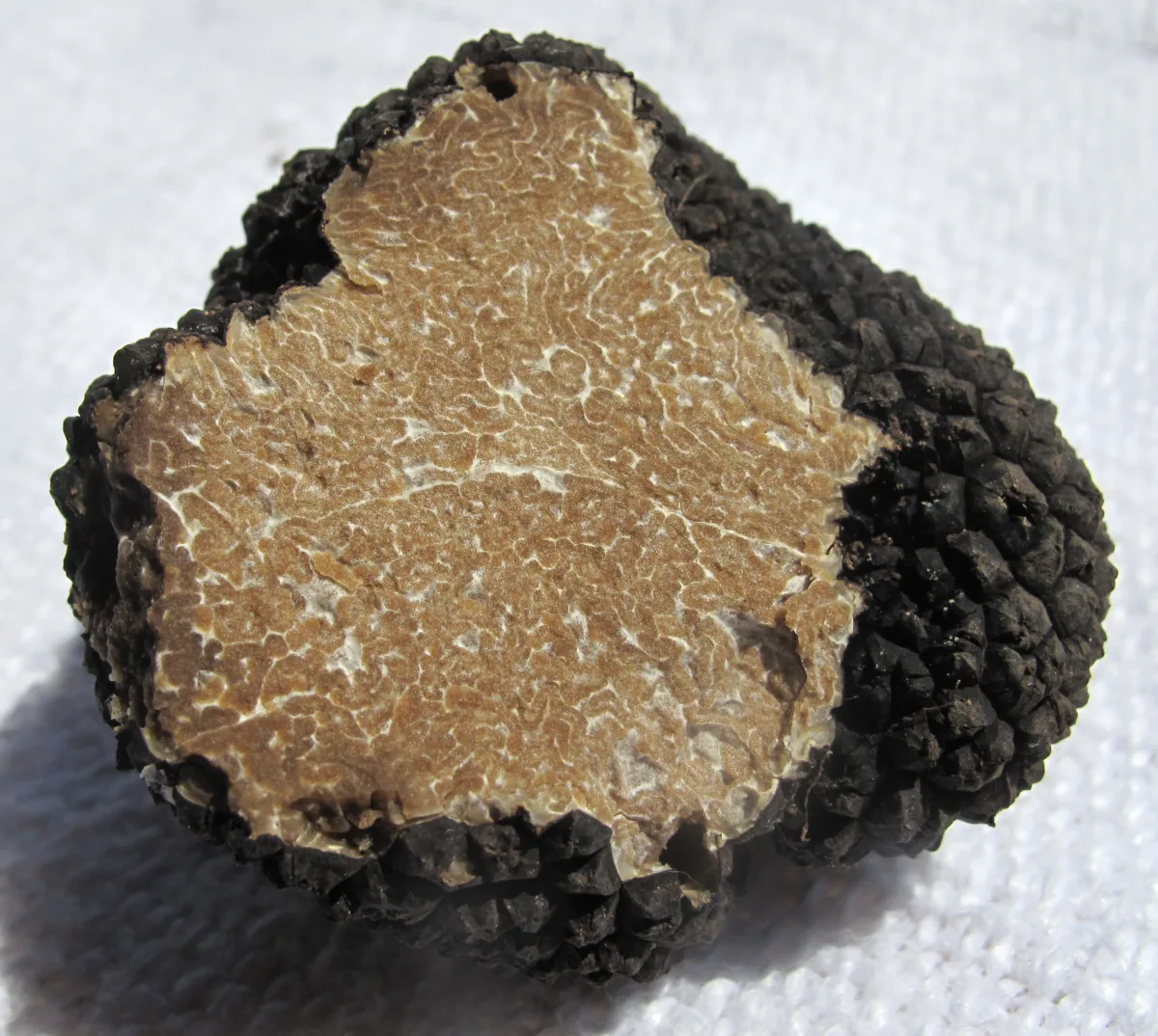 Summer TruffleTuber aestivum
Common ectomycorrhizal partner of Pedunculate Oak; frequently co-occurs with Penny Bun and Chanterelle in the same stands.
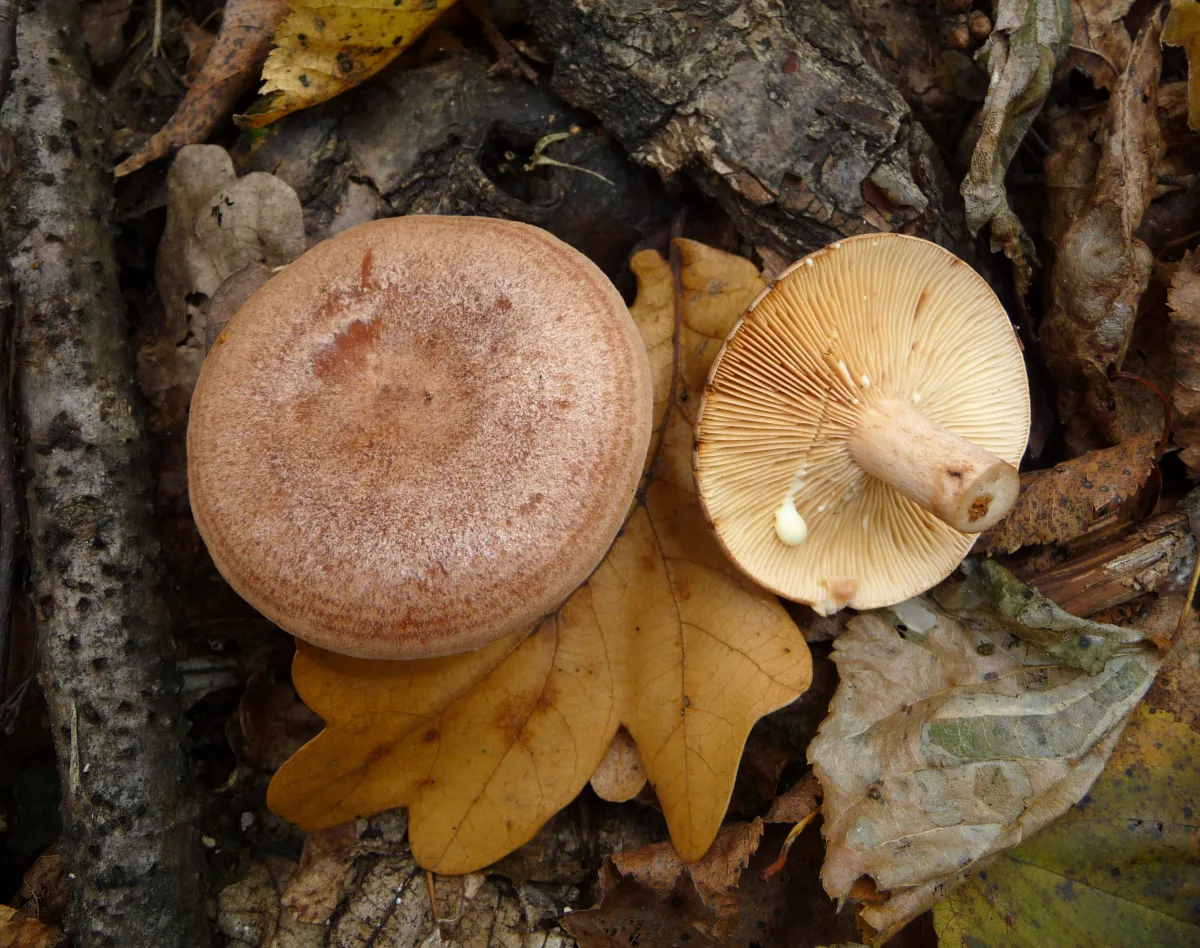 Oakbug MilkcapLactarius quietus
Near-obligate on Quercus; almost never found away from oak woodland. Used as an indicator species for oak-dominated stands (Heilmann-Clausen et al. 2014).
Eaten by
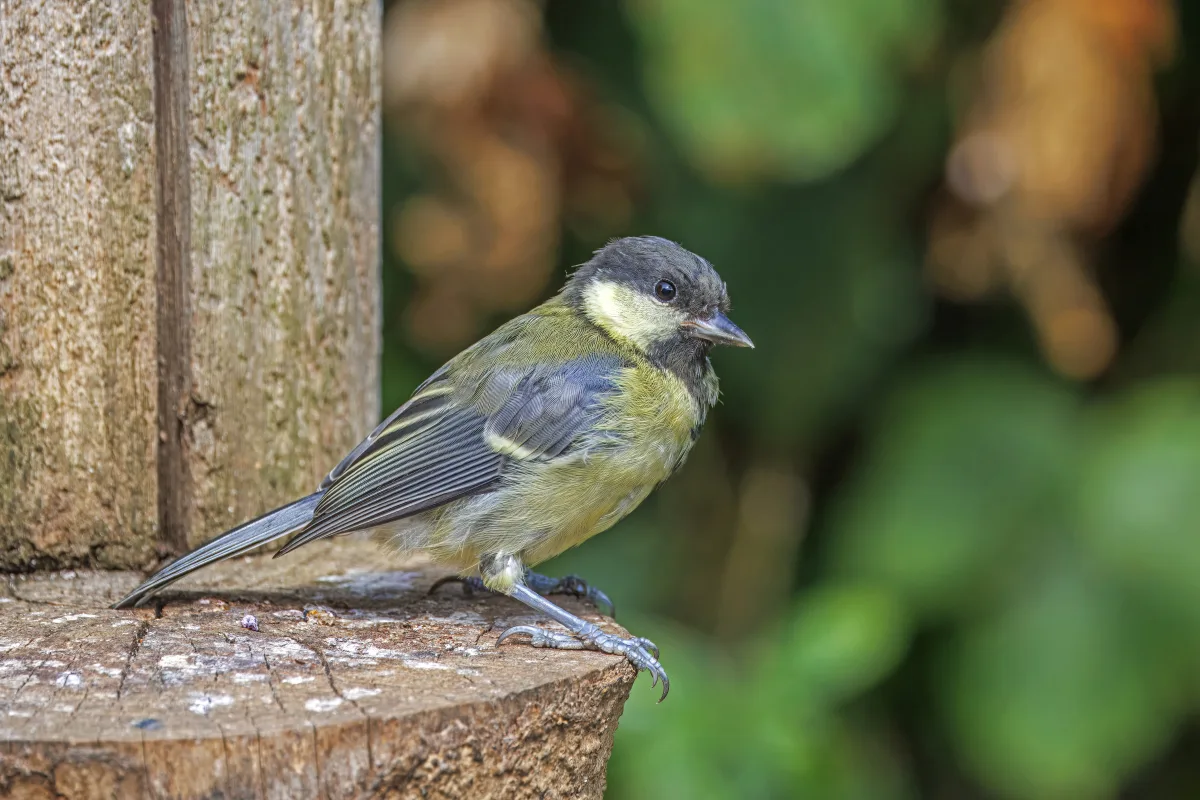 Great TitParus major
A keystone relationship: Great Tit populations track winter moth caterpillar peaks on oak. Timing of egg-laying has evolved to match oak bud-burst.
- Eurasian NuthatchSitta europaea
Caches acorns and invertebrates in oak bark crevices. Forages head-down along trunks in a manner unique among European birds.
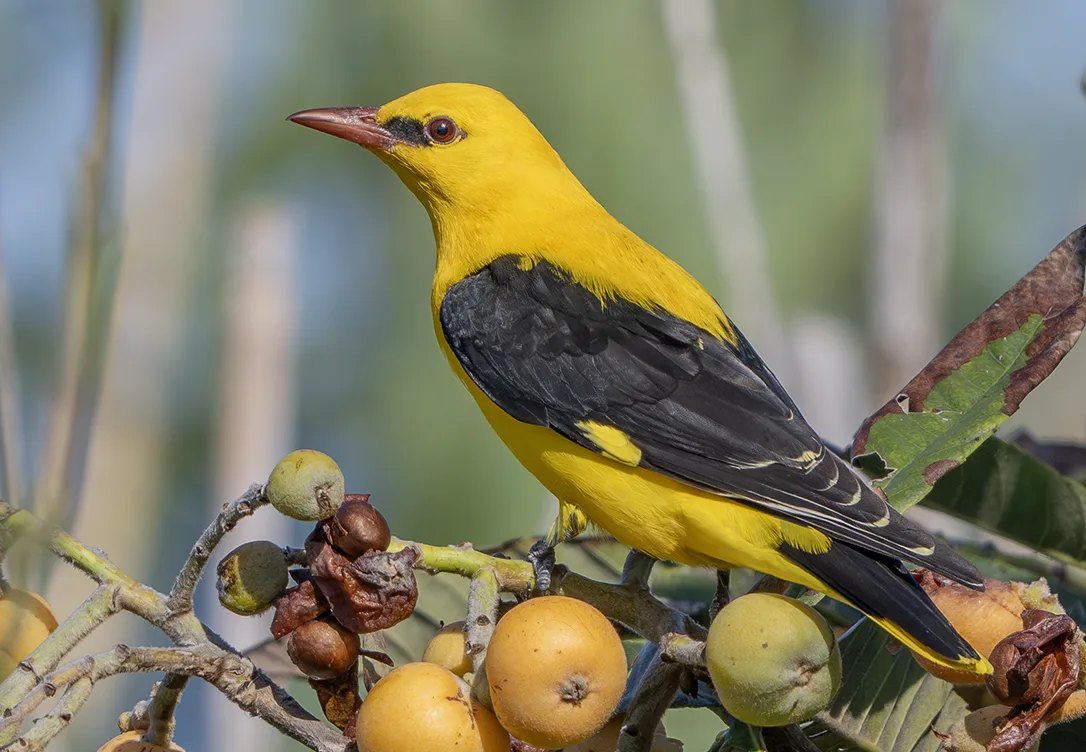 Golden OrioleOriolus oriolus
Forages on oak caterpillars (especially defoliating moth larvae) during the breeding season when insect demand is highest.
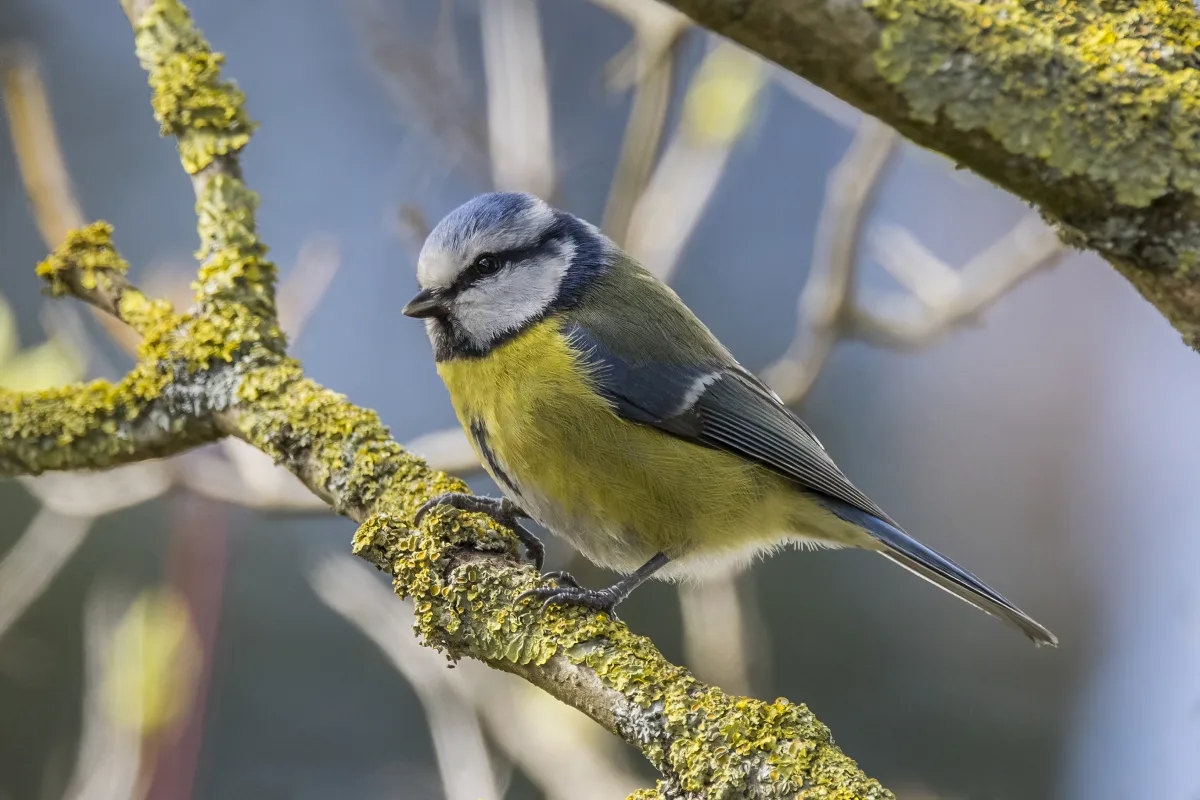 Eurasian Blue TitCyanistes caeruleus
Nestling diet is dominated by oak caterpillars during the critical growth window. Blue Tit breeding phenology has evolved to synchronise with oak bud-burst - a flagship example in climate change ecology (Visser et al.; Charmantier et al. 2008).
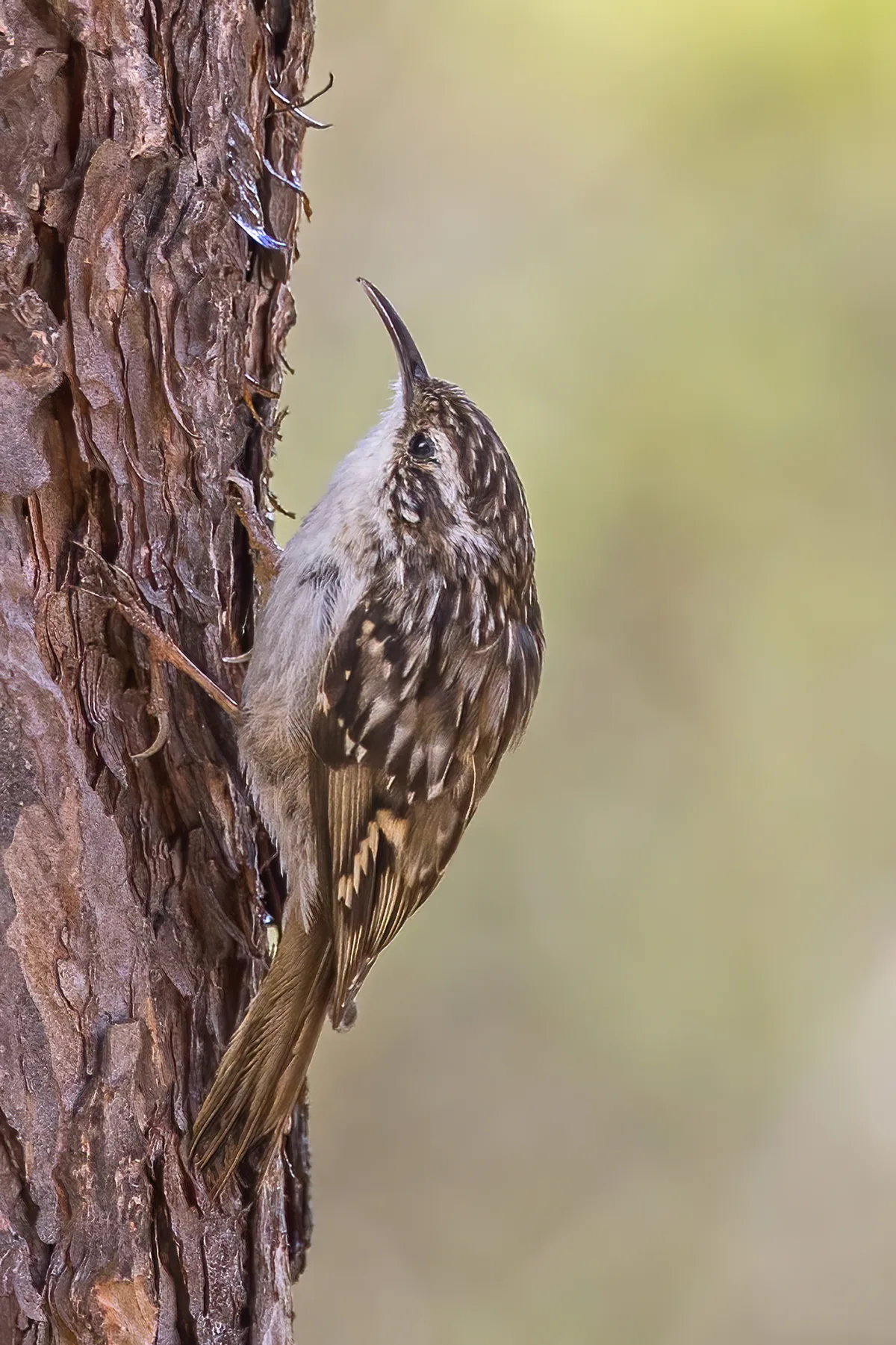 Short-toed TreecreeperCerthia brachydactyla
The deciduous-woodland counterpart of the Common Treecreeper. The two species replace each other ecologically, with Short-toed specialising in the rough bark of Pedunculate Oak and other broadleaves across continental Europe.
Host of
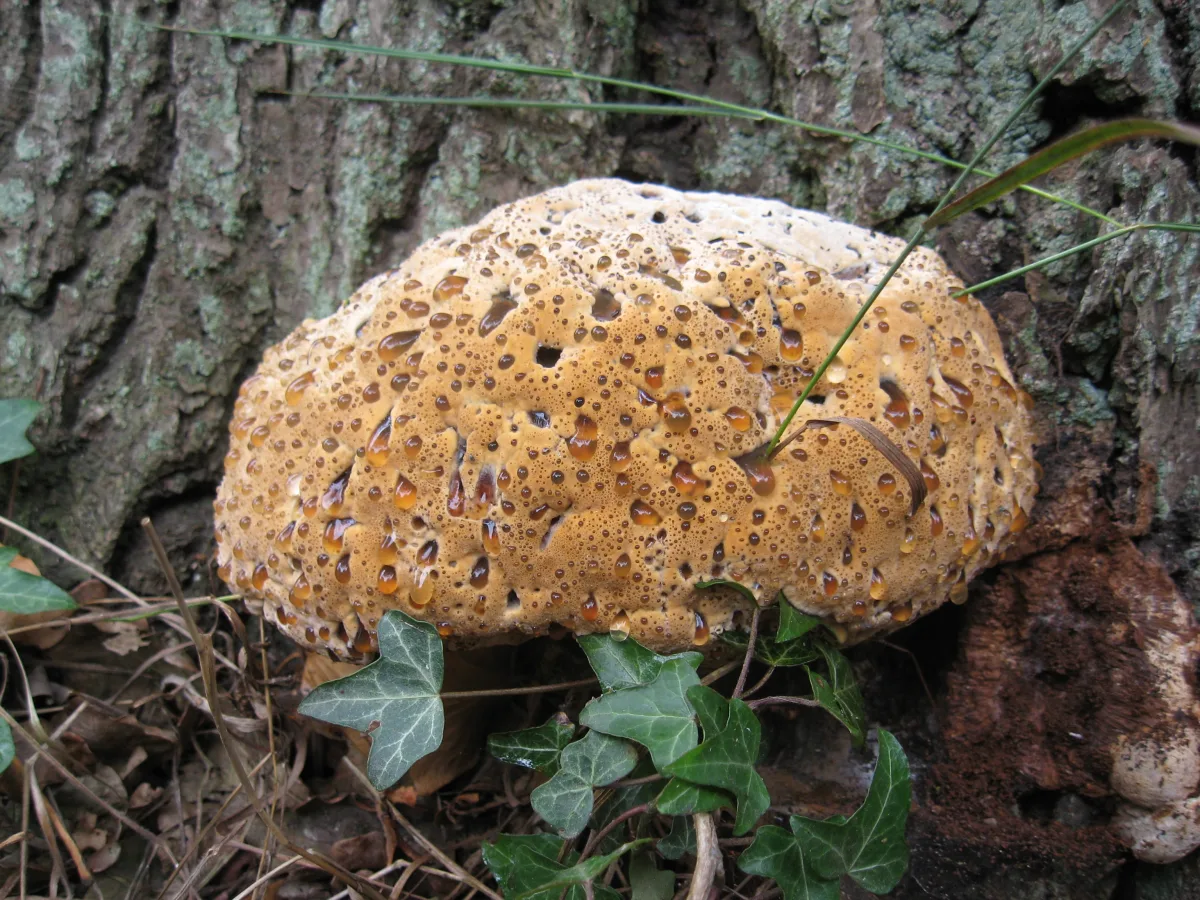 Oak BracketInonotus dryadeus
Parasitic bracket fungus that colonises the heartwood of veteran oaks, causing white rot at the root collar. Mature infected trees remain standing for decades and their soft wood attracts woodpeckers.
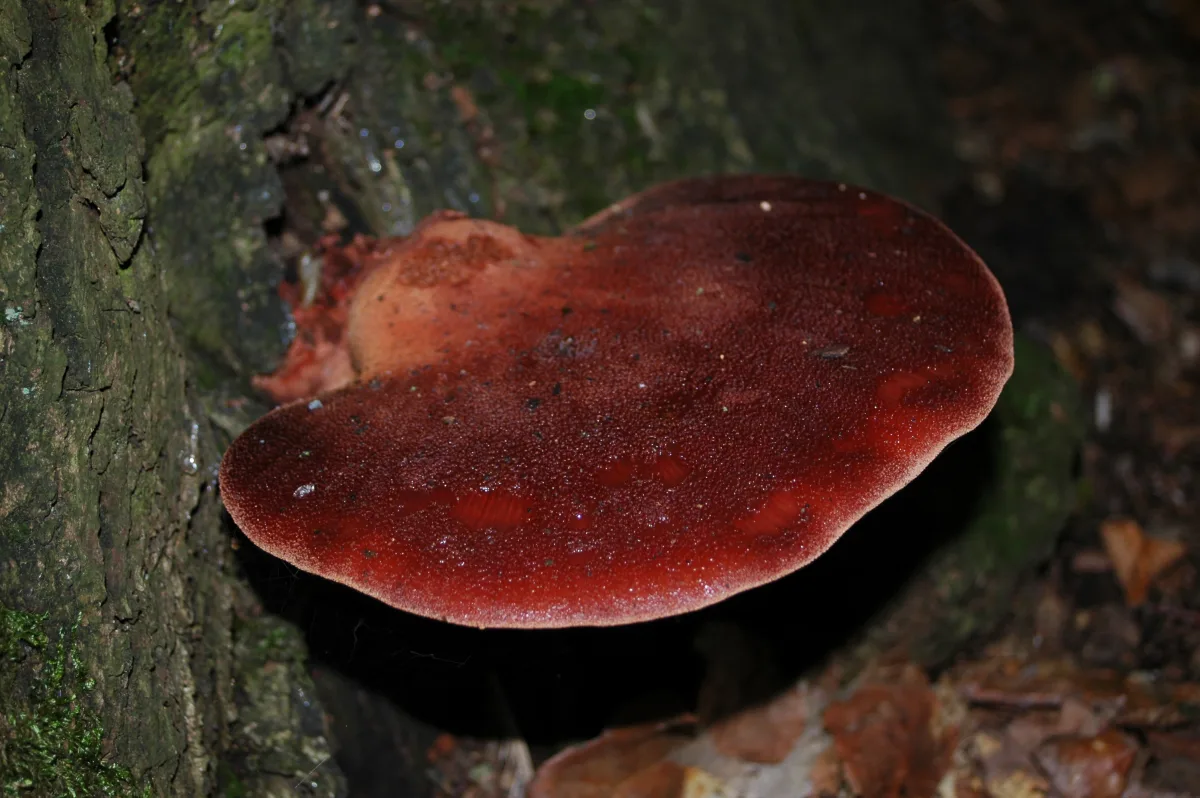 Beefsteak FungusFistulina hepatica
Found almost exclusively on veteran Pedunculate Oak, where it causes a distinctive brown rot that ironically produces the prized "brown oak" timber sought by craftspeople. One of the most oak-faithful bracket fungi in Europe.
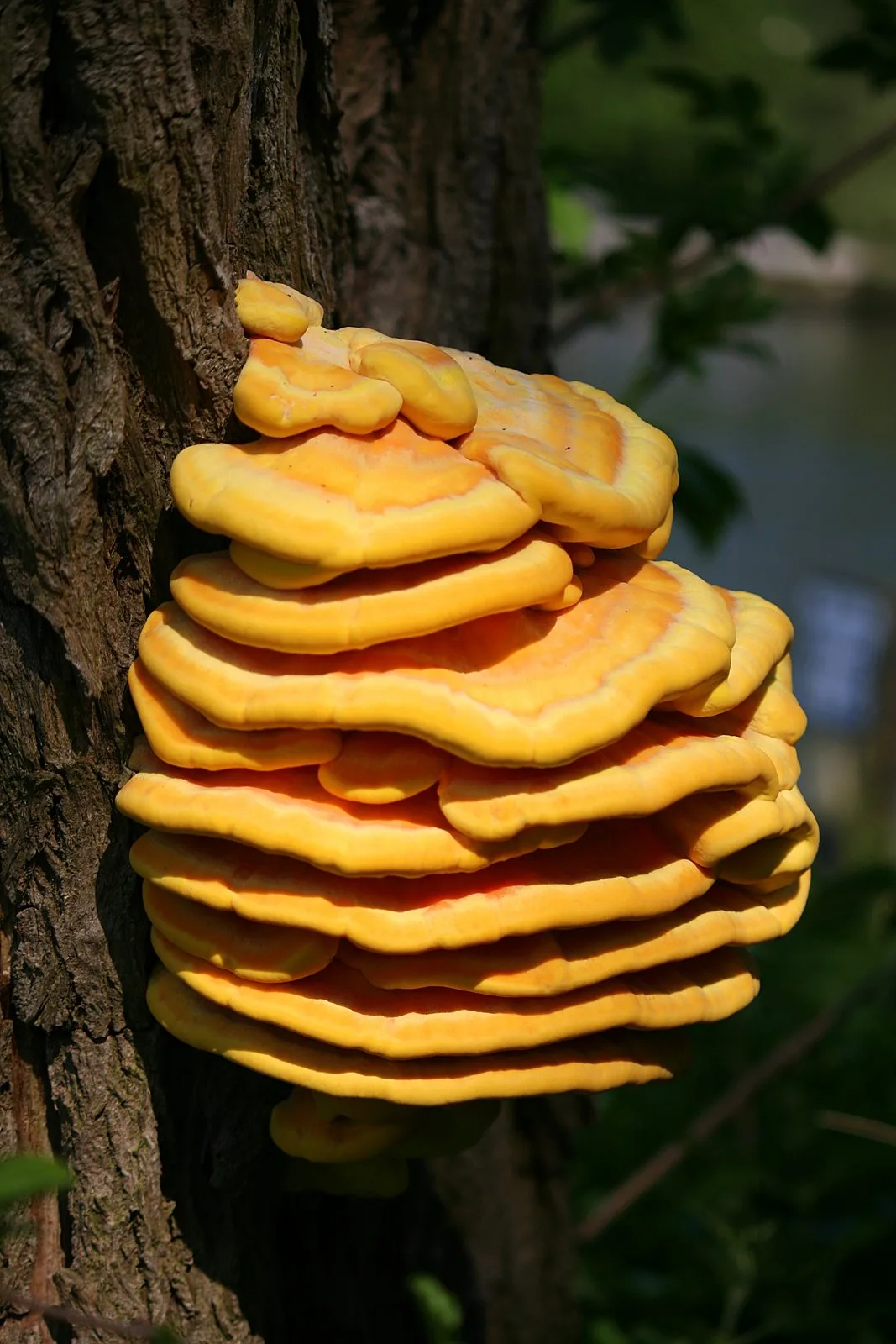 Chicken of the WoodsLaetiporus sulphureus
A flagship oak-associated bracket fungus, parasitising the heartwood of mature and veteran trees. Its vivid sulphur-yellow fruiting bodies can weigh over 40 kg and are conspicuous from a distance.
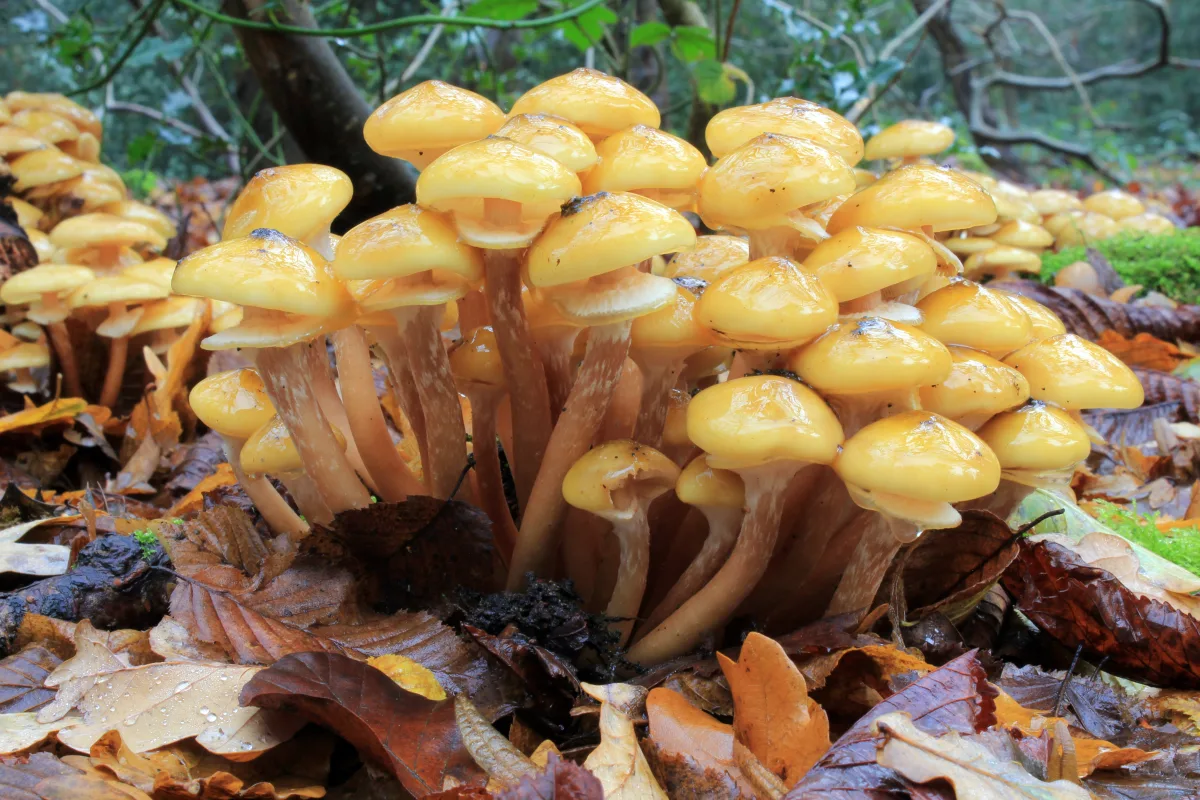 Honey FungusArmillaria mellea
One of the most significant woodland pathogens in Europe, spreads via black rhizomorphs through the soil and can kill mature oaks over several years. Simultaneously a decomposer of dead stumps and a parasite of living trees.
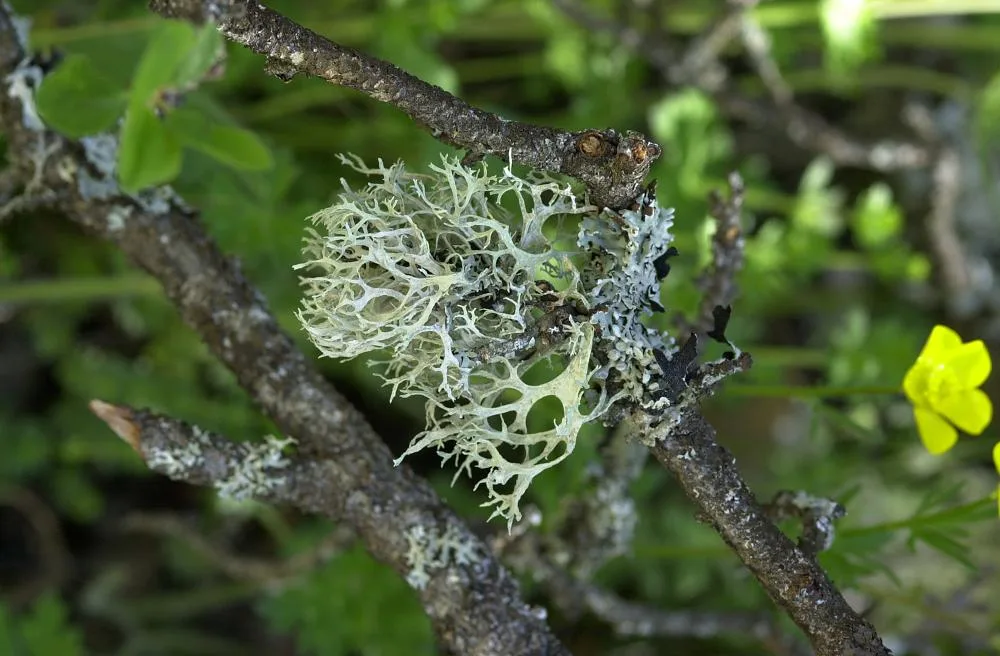 Oakmoss LichenEvernia prunastri
Epiphytic lichenised fungus with strong preference for acidic-barked broadleaves; extremely common on mature oak.